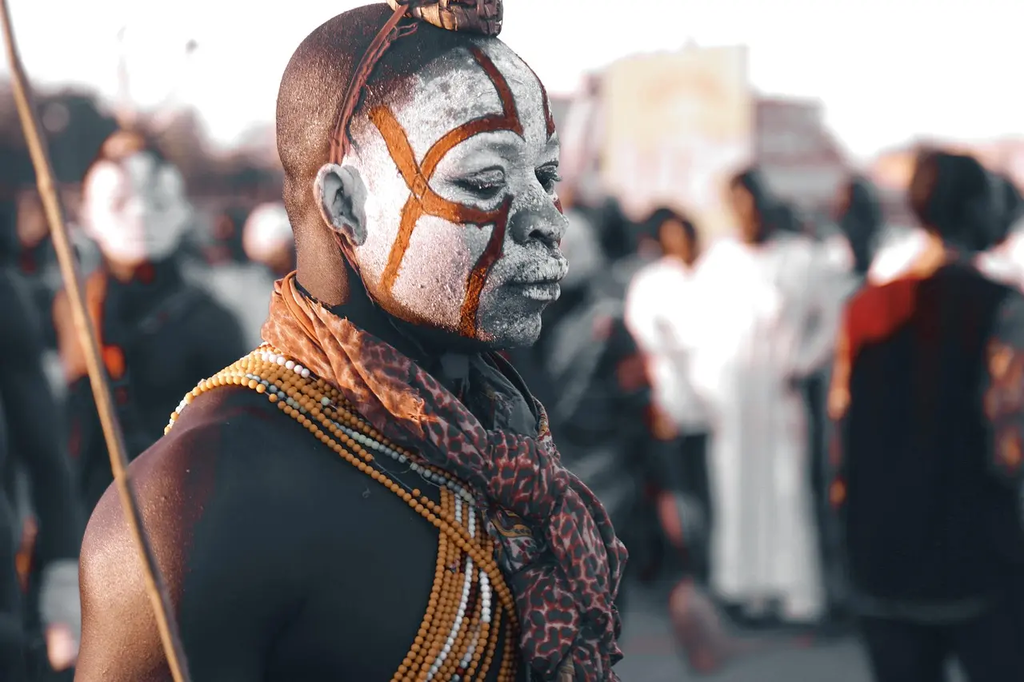
Intangible cultural heritage refers to traditions, practices, expressions, knowledge, and skills passed down through generations within communities, forming part of their cultural identity. UNESCO-listed festivals are celebrations recognized by UNESCO for their significance in preserving these intangible heritages. These festivals showcase unique rituals, music, dance, and customs, promoting cultural diversity and intercultural dialogue while ensuring the safeguarding and transmission of valuable cultural expressions for future generations.
Intangible Cultural Heritage & UNESCO-Listed Festivals
Intangible cultural heritage refers to traditions, practices, expressions, knowledge, and skills passed down through generations within communities, forming part of their cultural identity. UNESCO-listed festivals are celebrations recognized by UNESCO for their significance in preserving these intangible heritages. These festivals showcase unique rituals, music, dance, and customs, promoting cultural diversity and intercultural dialogue while ensuring the safeguarding and transmission of valuable cultural expressions for future generations.

💡 Key Takeaways
- Identify what constitutes intangible cultural heritage: traditions, practices, expressions, knowledge, and skills passed down through generations.
- Describe how UNESCO recognizes and protects these traditions through listed festivals and safeguarding measures.
- Recognize how UNESCO-listed festivals reflect cultural identity and community participation across diverse regions.
- Understand the safeguarding challenges and how festivals help transmit knowledge to younger generations.
❓ Frequently Asked Questions
What is intangible cultural heritage?
Traditions, practices, expressions, knowledge, and skills passed down within communities through generations, forming part of cultural identity.
What kinds of practices are included in intangible cultural heritage?
Festivals, performing arts, crafts, oral traditions, rituals, culinary practices, and Indigenous knowledge—anything learned and transmitted within a community.
What does UNESCO-listed mean for a festival?
UNESCO recognition signifies the festival's importance to safeguarding intangible heritage, often placing it on the Representative List and highlighting preservation needs.
How do UNESCO-listed festivals help communities?
They raise awareness, support transmission to younger generations, encourage safeguarding efforts, and can promote pride and responsible, culturally sensitive tourism.