The 1900s Edwardian dress refers to women’s fashion from the early 20th century, characterized by its elegant, hourglass silhouette. Dresses typically featured high necklines, puffed sleeves, and cinched waists achieved with corsets, flowing into long, graceful skirts. Luxurious fabrics like silk and lace were common, often adorned with delicate embroidery or embellishments. The style reflected sophistication and femininity, influenced by King Edward VII’s reign, and marked a transition from Victorian rigidity to a more relaxed, yet still formal, aesthetic.
1900s Edwardian Dress
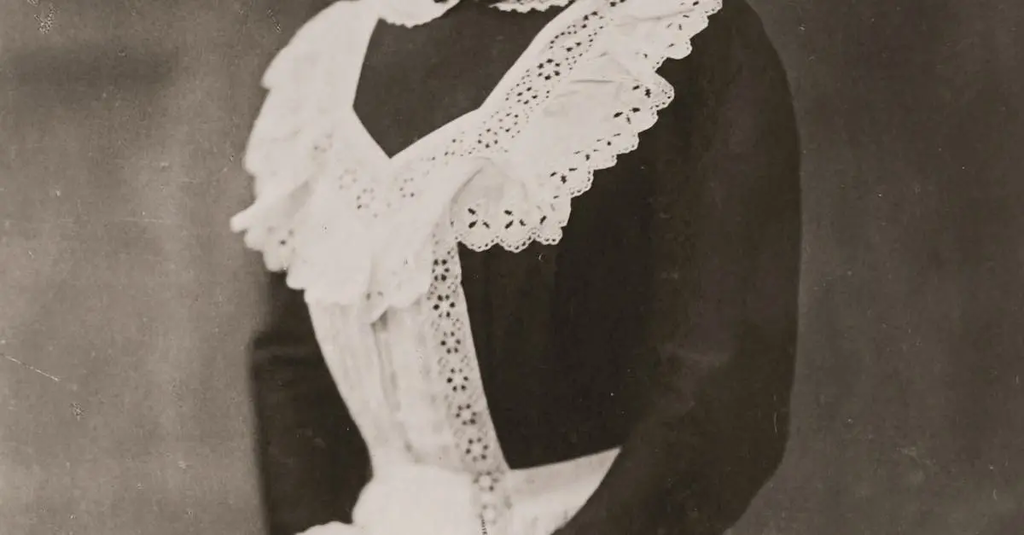
The 1900s Edwardian dress refers to women’s fashion from the early 20th century, characterized by its elegant, hourglass silhouette. Dresses typically featured high necklines, puffed sleeves, and cinched waists achieved with corsets, flowing into long, graceful skirts. Luxurious fabrics like silk and lace were common, often adorned with delicate embroidery or embellishments. The style reflected sophistication and femininity, influenced by King Edward VII’s reign, and marked a transition from Victorian rigidity to a more relaxed, yet still formal, aesthetic.
💡 Key Takeaways
- Identify the defining Edwardian silhouette: an hourglass shape created by corsetry with a long, flowing skirt.
- Spot design cues of the era: high necklines, puffed sleeves, and cinched waists.
- Recognize typical fabrics and details, such as silk, lace, and embroidery that signal luxury in early 1900s dresses.
- Understand how fashion conveyed status and social norms in the Edwardian era, including the role of corsetry in shaping the silhouette.
❓ Frequently Asked Questions
What does the 1900s Edwardian dress refer to?
Women’s fashion from the early 20th century during King Edward VII’s reign (roughly 1900s–1910s), known for elegant silhouettes and refined details.
What silhouette is typical of Edwardian dresses?
An elongated hourglass shape created by a cinched waist, usually with a fitted bodice flowing into a long skirt.
What are common features to look for in these dresses?
High necklines, puffed sleeves, a tightly cinched waist, and long, graceful skirts, often with luxurious fabrics.
Which fabrics were popular for Edwardian dresses?
Luxurious materials like silk, satin, lace, and brocade, frequently embellished with embroidery or decorative trim.
How did undergarments influence the look of these dresses?
Corsets created the cinched waist and hourglass silhouette, with additional underlayers providing volume and drape for the skirts.