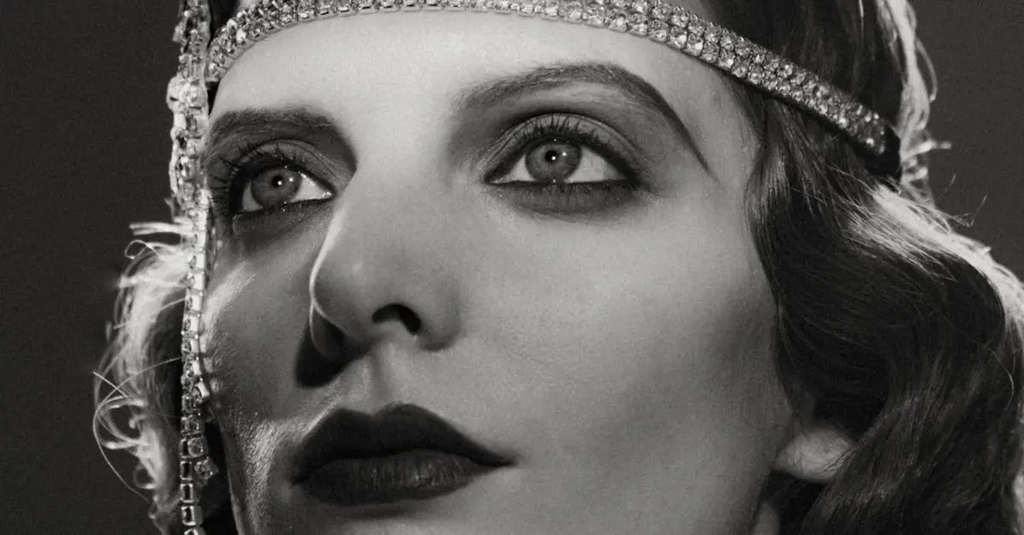
1920s fashion marked a dramatic shift from previous styles, embracing boldness and liberation. Women adopted shorter hemlines, loose-fitting dresses, and bobbed haircuts, epitomized by the iconic flapper look. Men favored tailored suits, often with wide-legged trousers and fedora hats. Art Deco influences brought geometric patterns and luxurious materials. Overall, 1920s fashion reflected the era’s social changes, jazz culture, and a newfound sense of freedom and modernity.
1920s Fashion+50
1920s fashion marked a dramatic shift from previous styles, embracing boldness and liberation. Women adopted shorter hemlines, loose-fitting dresses, and bobbed haircuts, epitomized by the iconic flapper look. Men favored tailored suits, often with wide-legged trousers and fedora hats. Art Deco influences brought geometric patterns and luxurious materials. Overall, 1920s fashion reflected the era’s social changes, jazz culture, and a newfound sense of freedom and modernity.
💡 Key Takeaways
- Understand how 1920s fashion signified liberation for women, with shorter hemlines and bobbed hair.
- Identify the defining features of the flapper look—loose dresses, dropped waists, fringe and beadwork.
- Describe the key elements of men’s 1920s style—tailored suits, wide-legged trousers, and fedora hats.
- Explain how Art Deco influenced fabric, patterns, and accessories to create a modern, geometric aesthetic.
❓ Frequently Asked Questions
What characterizes women's fashion in the 1920s?
A shift toward bold liberation: shorter hemlines, loose-fitting dresses, and bobbed hair, epitomized by the flapper look.
Who were flappers and what did they symbolize?
Flappers were young women who embraced independence, jazz-age style, bobbed hair, and energetic social life, signaling modernity in fashion.
How did Art Deco influence 1920s fashion?
Art Deco introduced geometric patterns and luxurious detailing to clothing and accessories, creating a modern, decorative aesthetic.
What did men's fashion look like in the 1920s?
Tailored suits with wide-legged trousers and fedora hats, reflecting a polished, streamlined masculine style.