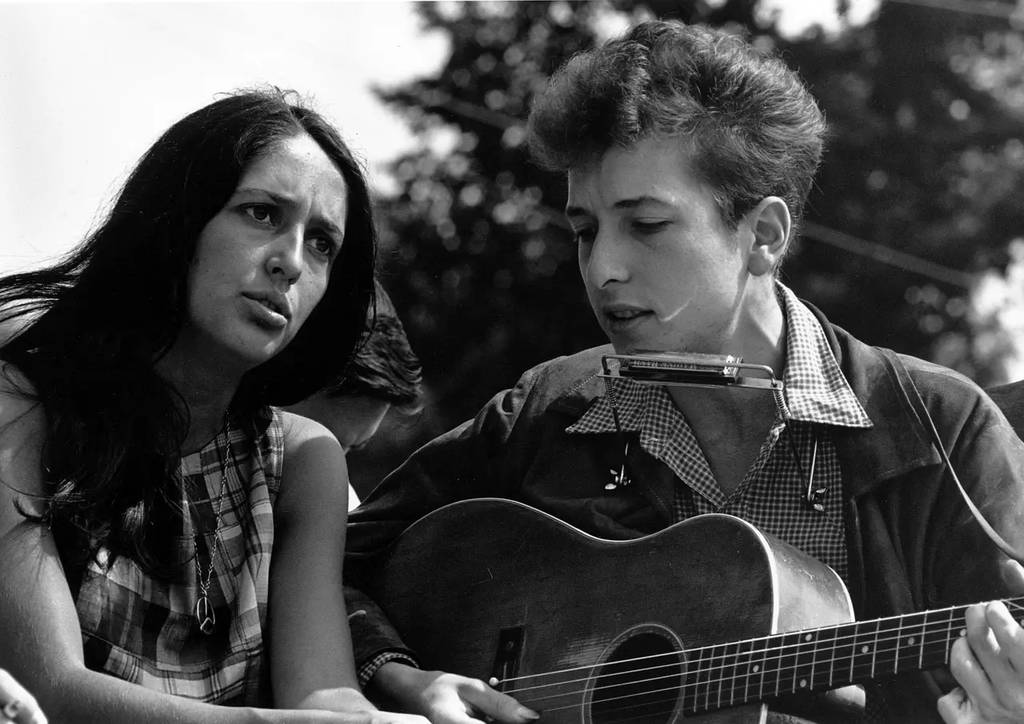
The 1960s music and counterculture movement marked a period of dramatic social change, fueled by youth challenging traditional values. Music genres like rock, folk, and psychedelic became powerful tools for expressing dissent, promoting peace, and advocating civil rights. Iconic artists such as The Beatles, Bob Dylan, and Jimi Hendrix inspired a generation, while festivals like Woodstock symbolized the era’s spirit of rebellion, freedom, and experimentation, leaving a lasting cultural legacy.
1960s Music and Counterculture
The 1960s music and counterculture movement marked a period of dramatic social change, fueled by youth challenging traditional values. Music genres like rock, folk, and psychedelic became powerful tools for expressing dissent, promoting peace, and advocating civil rights. Iconic artists such as The Beatles, Bob Dylan, and Jimi Hendrix inspired a generation, while festivals like Woodstock symbolized the era’s spirit of rebellion, freedom, and experimentation, leaving a lasting cultural legacy.
💡 Key Takeaways
- Explain how 1960s rock, folk, and psychedelic music expressed dissent and promoted peace and civil rights.
- Describe how the era's music and youth culture challenged traditional values and spurred social change.
- Identify key artists and movements that defined the era and describe their influence on society.
- Assess the lasting impact of 1960s music on later genres and social activism.
❓ Frequently Asked Questions
What was the 1960s counterculture?
A youth-led movement challenging traditional norms, promoting peace, civil rights, and free expression through music, art, and social activism.
Which genres were central to 1960s music and the counterculture movement?
Rock, folk, and psychedelic music were influential, often blending social commentary with innovative sounds.
How did 1960s music advocate for civil rights and peace?
Songs, performances, and benefit events raised awareness and inspired protests, providing rallying anthems for equality and anti-war sentiment.
Which artists are iconic of the 1960s counterculture?
Artists such as Bob Dylan, The Beatles, and Jimi Hendrix helped shape the era with protest songs, studio innovation, and influential performances.