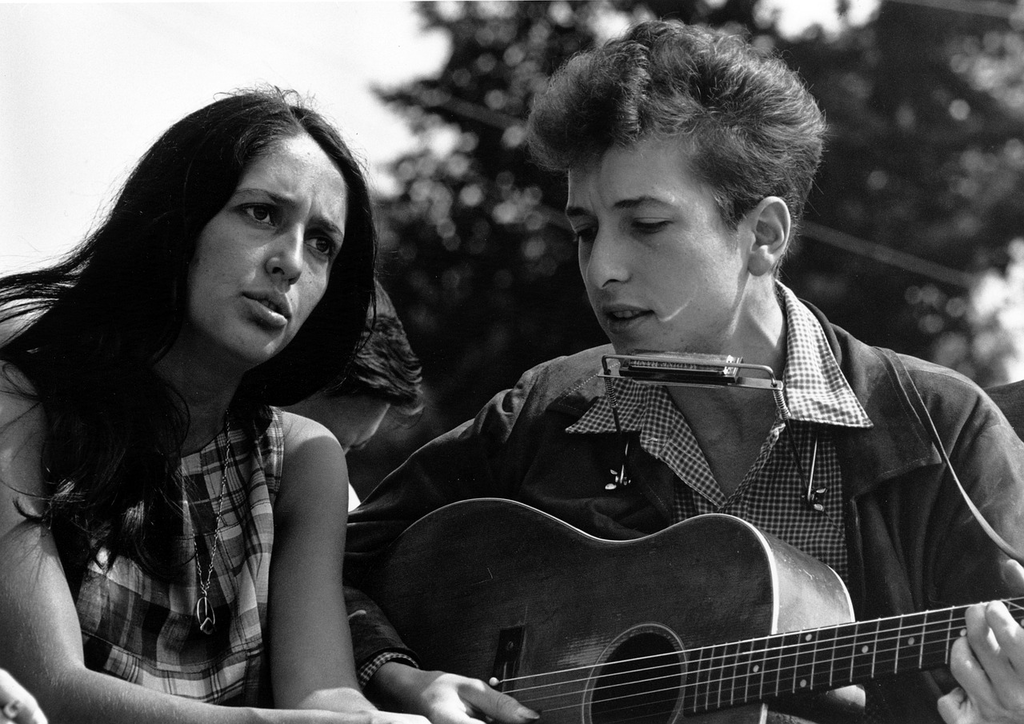
1960s protest songs were powerful musical expressions that captured the spirit of social and political change during the decade. Artists like Bob Dylan, Joan Baez, and Marvin Gaye used their music to address issues such as civil rights, war, and inequality. These songs became anthems for movements, inspiring listeners to question authority and advocate for justice, peace, and freedom, making a lasting cultural and historical impact.
1960s Protest Songs
1960s protest songs were powerful musical expressions that captured the spirit of social and political change during the decade. Artists like Bob Dylan, Joan Baez, and Marvin Gaye used their music to address issues such as civil rights, war, and inequality. These songs became anthems for movements, inspiring listeners to question authority and advocate for justice, peace, and freedom, making a lasting cultural and historical impact.
💡 Key Takeaways
- Explore how 1960s protest songs expressed civil rights and anti-war messages.
- Identify influential artists and iconic tracks that defined 1960s political music.
- Discover the musical styles and lyrical devices used in protest songs (folk guitar, call-and-response, imagery).
- Understand the cultural impact of these songs on public opinion and social movements.
❓ Frequently Asked Questions
What is a protest song?
A protest song uses lyrics to critique social issues and advocate for change, often addressing injustice, war, or civil rights.
What themes were common in 1960s protest songs?
Civil rights, antiwar sentiment, economic justice, and calls for equality and reform.
Which artists or songs are iconic in this era?
Artists like Bob Dylan, Joan Baez, Pete Seeger, Phil Ochs, Nina Simone, and Creedence Clearwater Revival wrote influential protest songs; notable tracks include The Times They Are a-Changin and Fortunate Son.
How did protest songs influence the social movements of the 1960s?
They spread messages, boosted morale, and provided anthems that rallied people at rallies and in everyday life.