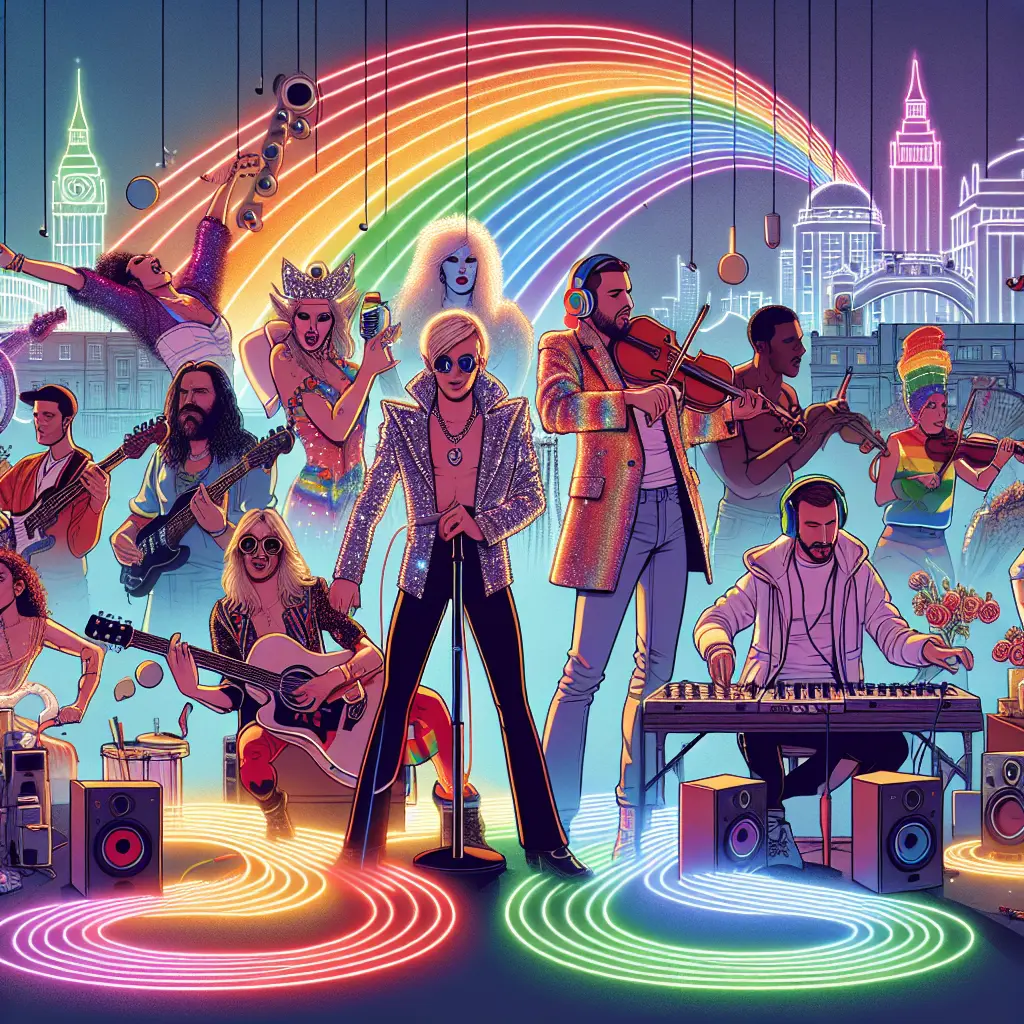
The 1970s–80s UK reggae and ska scenes were vibrant musical movements influenced by Caribbean immigrants, particularly from Jamaica. These genres provided a powerful cultural voice for marginalized communities, addressing social and political issues like racism and unemployment. Bands such as The Specials and Steel Pulse gained prominence, blending reggae and ska with punk and pop influences. The scenes fostered multicultural exchange and significantly shaped British youth culture and music during this era.
1970s–80s UK reggae and ska scenes
The 1970s–80s UK reggae and ska scenes were vibrant musical movements influenced by Caribbean immigrants, particularly from Jamaica. These genres provided a powerful cultural voice for marginalized communities, addressing social and political issues like racism and unemployment. Bands such as The Specials and Steel Pulse gained prominence, blending reggae and ska with punk and pop influences. The scenes fostered multicultural exchange and significantly shaped British youth culture and music during this era.
💡 Key Takeaways
- Explore how Caribbean immigration, especially from Jamaica, helped spark the UK reggae and ska scenes in the 1970s–80s.
- Learn how these genres served as a cultural voice for marginalized communities, addressing racism, unemployment, and social inequality.
- Identify the musical characteristics of UK reggae and ska and how they blended Jamaican roots with British influences.
- Understand the wider cultural impact, including community venues, labels, and the lasting influence on British music and youth culture.
❓ Frequently Asked Questions
What defines the UK reggae and ska scenes of the 1970s–80s?
They were British adaptations of Jamaican reggae and ska, blending Caribbean rhythms with punk and DIY culture, with bands like The Specials popularizing a dynamic fusion and social commentary.
How did Caribbean immigrants shape these scenes?
Immigrants brought musical traditions, sound system culture, and community networks that influenced venues, recording, and the vocal voice addressing marginalization in UK society.
What themes did songs commonly address in these scenes?
Racism, unemployment, housing, and social inequality, often expressed with calls for unity, empowerment, and political awareness.
What was the Two Tone movement and why is it important?
A late-1970s UK ska revival that fused ska with punk and new wave, promoting racial unity and launching influential bands (e.g., The Specials, The Selecter) and the 2 Tone record label.