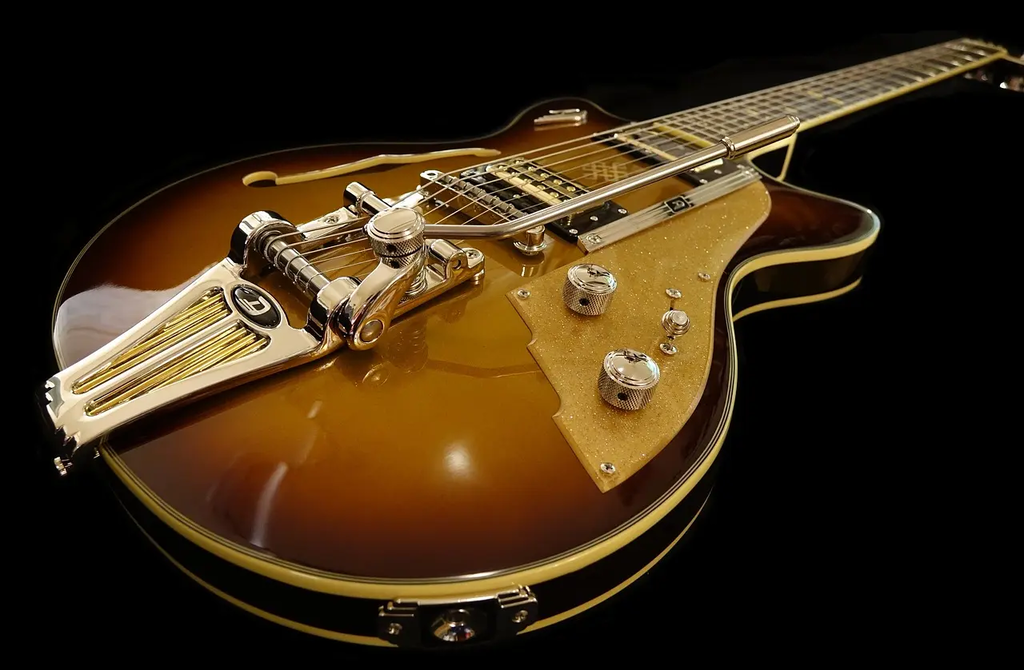
The 2000s Garage Rock Revival refers to a musical movement where bands drew inspiration from the raw, energetic sound of 1960s garage rock. Characterized by gritty guitar riffs, straightforward drumming, and unpolished vocals, this revival brought a fresh, rebellious spirit to mainstream rock. Iconic groups like The Strokes, The White Stripes, and The Hives led the charge, blending retro influences with modern sensibilities and revitalizing rock music for a new generation.
2000s Garage Rock Revival
The 2000s Garage Rock Revival refers to a musical movement where bands drew inspiration from the raw, energetic sound of 1960s garage rock. Characterized by gritty guitar riffs, straightforward drumming, and unpolished vocals, this revival brought a fresh, rebellious spirit to mainstream rock. Iconic groups like The Strokes, The White Stripes, and The Hives led the charge, blending retro influences with modern sensibilities and revitalizing rock music for a new generation.

💡 Key Takeaways
- Identify key bands, venues, and media that defined the 2000s garage rock revival.
- Explain how lo-fi production, simple riffs, and raw tones shaped the sound.
- Compare 2000s garage rock with 1960s origins and note stylistic updates.
- Explore cultural factors like indie labels, blogs, and the DIY scene that fueled the movement.
- Recognize common song structures and performance traits of the era.
❓ Frequently Asked Questions
What is the 2000s Garage Rock Revival?
A movement in the early–mid 2000s that revived raw, guitar‑driven rock inspired by 1960s garage bands, often blending indie and post‑punk influences with a DIY attitude.
When did it peak, and where did it start?
It rose to prominence roughly between 2001 and 2006, with strong scenes in the US, UK, and beyond, propelled by several breakout bands.
Which artists are commonly associated with the movement?
Notable acts include The White Stripes, The Strokes, The Hives, The Vines, The Black Keys, and Yeah Yeah Yeahs, among other garage/indie acts of the era.
How is it different from 1960s garage rock?
While it draws on the same raw energy, it often features more varied production, influences from indie/post‑punk, and broader media visibility.
What are typical sound characteristics to listen for?
Simple, catchy guitar riffs; punchy drums; raw or lo‑fi production; straightforward song structures; and energetic, direct vocal delivery.