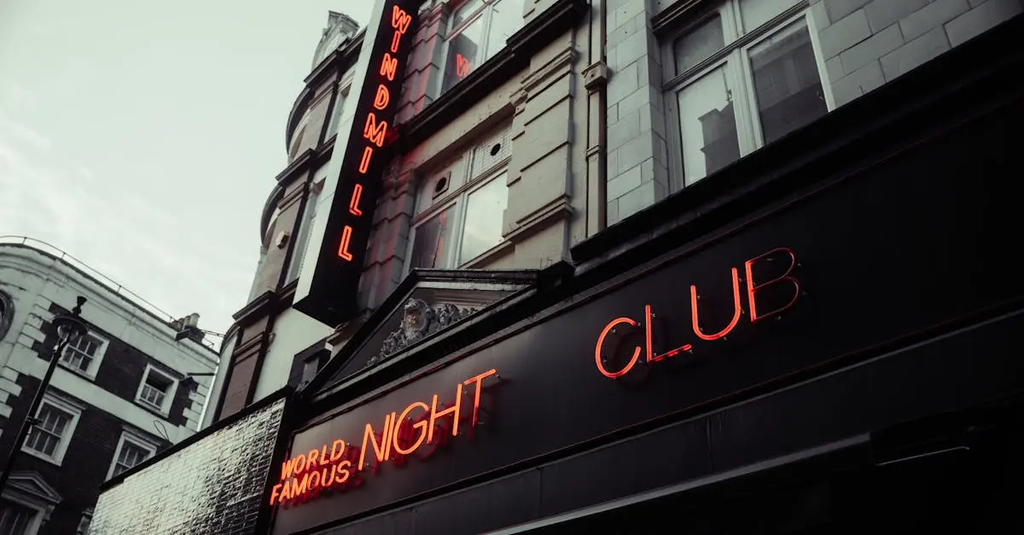
The 2000s saw the rise of UK garage and grime, two influential music genres originating from London. UK garage evolved from house and jungle, characterized by syncopated rhythms and soulful vocals, while grime emerged with raw, rapid-fire lyrics over aggressive beats. Both genres reflected urban youth culture, addressing social issues and street life, and propelled artists like Dizzee Rascal and Wiley into the mainstream, leaving a lasting impact on British music.
2000s UK garage and grime emergence
The 2000s saw the rise of UK garage and grime, two influential music genres originating from London. UK garage evolved from house and jungle, characterized by syncopated rhythms and soulful vocals, while grime emerged with raw, rapid-fire lyrics over aggressive beats. Both genres reflected urban youth culture, addressing social issues and street life, and propelled artists like Dizzee Rascal and Wiley into the mainstream, leaving a lasting impact on British music.

💡 Key Takeaways
- UK garage fused house and jungle to create syncopated rhythms and soulful vocals.
- Grime features rapid-fire lyrics delivered over aggressive, minimalist beats.
- The 2000s London urban context and pirate radio played key roles in both genres' rise.
- Garage and grime developed with different scene dynamics: club-oriented garage vs DIY, MC-centric grime.
❓ Frequently Asked Questions
What are UK garage and grime, and where did they originate?
Both genres emerged in London in the late 1990s to early 2000s. UK garage evolved from house and jungle with syncopated rhythms and soulful vocals; grime developed from raw, rapid-fire MCing over aggressive beats.
What distinguishes UK garage's rhythm and vocals?
UK garage features syncopated 2-step or shuffled rhythms, melodic vocal hooks, and soulful or melodic production, typically around 130–135 BPM.
What characterizes grime music?
Grime is defined by raw, rapid-fire MC lyrics over aggressive, high-tempo beats (around 140 BPM) with minimal melodic elements.
How did the 2000s emergence influence music culture in London?
Pirate radio, clubs, and a DIY urban scene helped spread UK garage and grime, fostering crews, artists, and a lasting impact on UK music culture.