The 2010s viral music trends were defined by the explosive rise of social media platforms like YouTube, Vine, and later TikTok, which propelled songs to global fame overnight. Catchy hooks, dance challenges, and memeable lyrics helped tracks like “Gangnam Style,” “Harlem Shake,” and “Old Town Road” achieve massive popularity. Artists and fans alike harnessed digital culture, making virality a key driver of musical success throughout the decade.
2010s Viral Music Trends
The 2010s viral music trends were defined by the explosive rise of social media platforms like YouTube, Vine, and later TikTok, which propelled songs to global fame overnight. Catchy hooks, dance challenges, and memeable lyrics helped tracks like “Gangnam Style,” “Harlem Shake,” and “Old Town Road” achieve massive popularity. Artists and fans alike harnessed digital culture, making virality a key driver of musical success throughout the decade.
💡 Key Takeaways
- Understand how social media, memes, and platform algorithms helped 2010s songs go viral.
- Explain how streaming services and music videos shaped discovery and popularity.
- Identify common 2010s viral formats, such as dance challenges, remixes, and memes, and their impact.
- Describe how short-form content and fan-created remixes expanded an artist's reach.
❓ Frequently Asked Questions
What is a viral music trend and why did it become popular in the 2010s?
A viral music trend is a song, meme, or dance that spreads rapidly through user‑generated videos and social sharing. In the 2010s, smartphones, short‑form video apps, and platform algorithms helped catchy hooks and simple formats become widespread.
Which platforms were key for 2010s viral music trends?
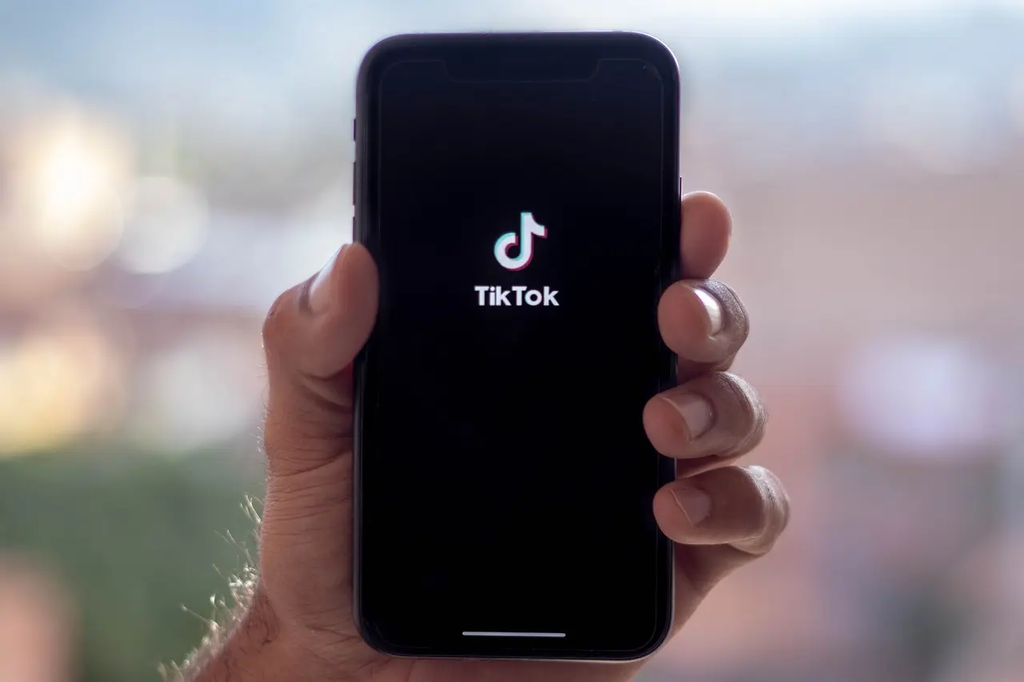
YouTube, Vine, Twitter, Instagram, and Facebook helped early trends spread; Musical.ly (later TikTok) became central for short, repeatable music videos.
What elements help a 2010s music trend go viral?
Catchy hooks or dances, a simple and repeatable action, easy participation, memes, and cross‑platform sharing.
Can you name a few iconic 2010s viral music trends?
Examples include Gangnam Style (2012), Harlem Shake (2013), Despacito (2017), and the Baby Shark Dance (2016) as viral music memes and challenges.