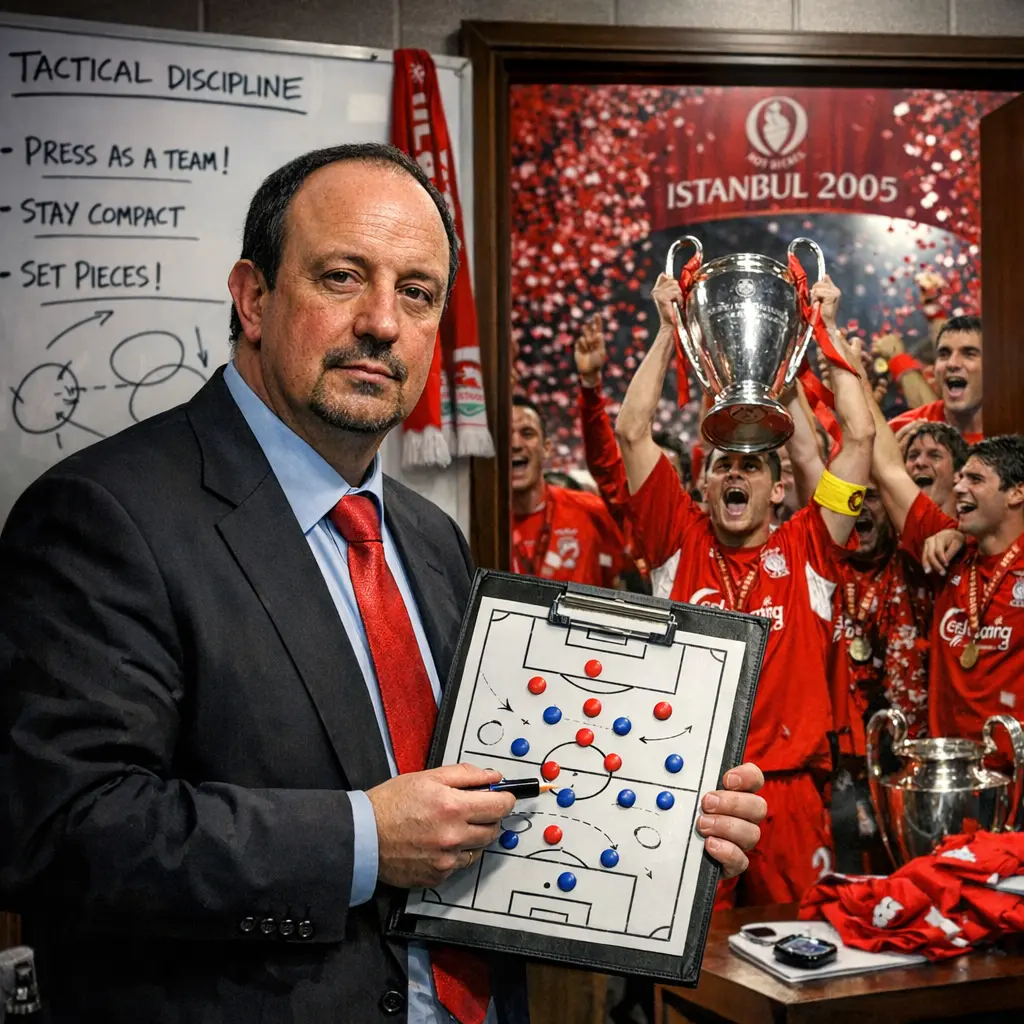
During the 2020–21 season, Liverpool F.C. faced an unprecedented injury crisis, particularly in defense, with key players like Virgil van Dijk, Joe Gomez, and Joel Matip sidelined for extended periods. This forced manager Jürgen Klopp to adapt by using midfielders as makeshift defenders and frequently rotating lineups. Despite these challenges, Liverpool managed to secure a top-four Premier League finish, showcasing resilience and tactical flexibility amid adversity.
2020–21 Injury Crisis and Adaptations
During the 2020–21 season, Liverpool F.C. faced an unprecedented injury crisis, particularly in defense, with key players like Virgil van Dijk, Joe Gomez, and Joel Matip sidelined for extended periods. This forced manager Jürgen Klopp to adapt by using midfielders as makeshift defenders and frequently rotating lineups. Despite these challenges, Liverpool managed to secure a top-four Premier League finish, showcasing resilience and tactical flexibility amid adversity.
💡 Key Takeaways
- Identify the main factors behind the 2020–21 injury crisis (condensed schedules, disrupted ramp-ups, travel constraints).
- Describe how teams adapted training, load management, and return-to-play protocols to reduce injury risk.
- Recognize common injury types and risk patterns observed during the period.
- Assess how adaptations affected performance, recovery, and player welfare, with lessons for future seasons.
❓ Frequently Asked Questions
What is meant by an injury crisis in a sports season?
An injury crisis is when a team experiences unusually high injury rates, forcing lineup changes, affecting performance, and prompting increased focus on prevention and recovery.
What factors in the 2020–21 season contributed to higher injury risk?
Condensed schedules, back-to-back fixtures, disrupted preseason, long rehab windows from pauses, travel and testing requirements, and limited recovery time all increased strain on players.
What adaptations did teams use to manage an injury crisis in 2020–21?
Teams used more rotation, load management, targeted conditioning, stricter return-to-play protocols, remote rehab options, and emphasis on data monitoring and recovery planning.
How did COVID-19 protocols influence training and recovery?
COVID-19 protocols affected access to facilities, travel, and schedules, altering training continuity, rehab timelines, and the ability to push players for rapid returns.