The phrase "20th-Century Novelists and Movements" refers to the influential writers and literary trends that shaped fiction during the 1900s. This era saw the rise of modernism, postmodernism, existentialism, and magical realism, among others. Notable novelists include James Joyce, Virginia Woolf, Gabriel García Márquez, and Toni Morrison. Their works often explored themes of identity, alienation, social change, and the fragmentation of reality, reflecting the dynamic social and cultural shifts of the century.
20th-Century Novelists and Movements
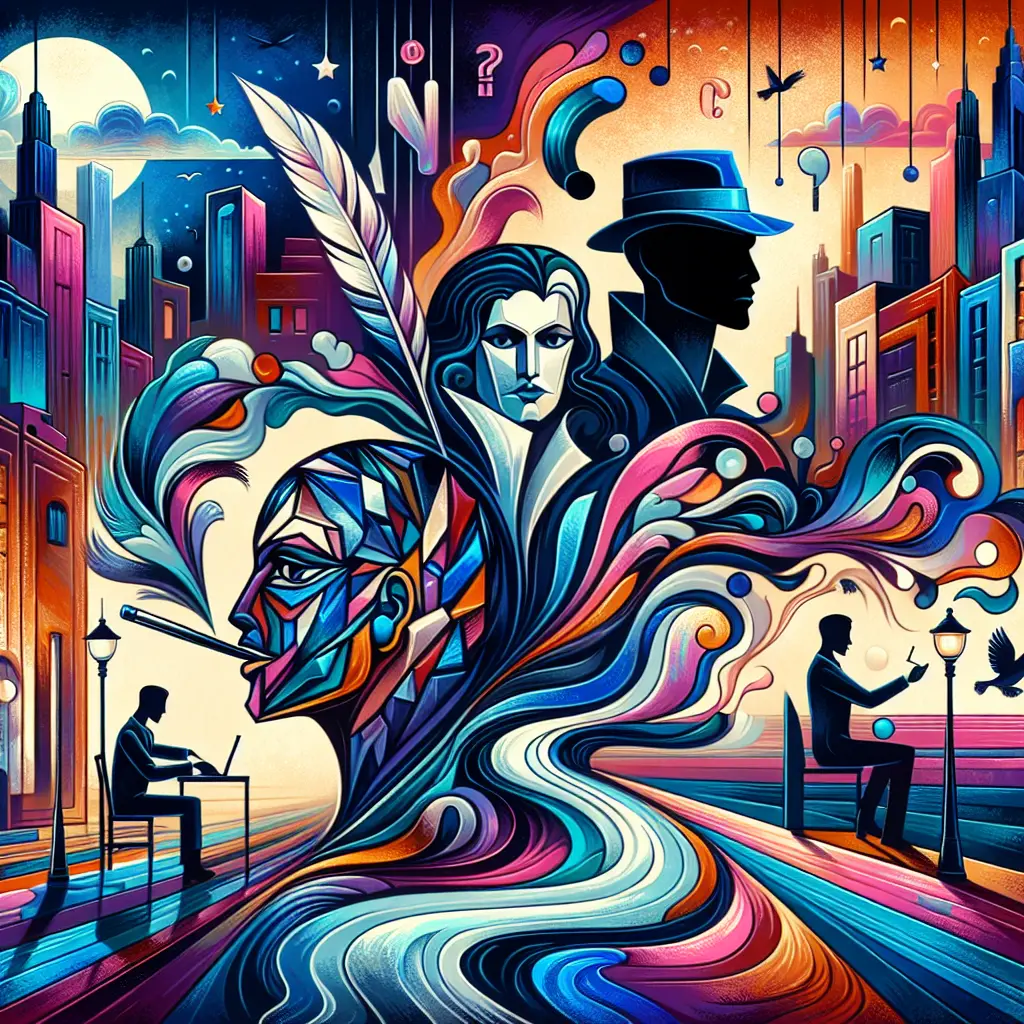
The phrase "20th-Century Novelists and Movements" refers to the influential writers and literary trends that shaped fiction during the 1900s. This era saw the rise of modernism, postmodernism, existentialism, and magical realism, among others. Notable novelists include James Joyce, Virginia Woolf, Gabriel García Márquez, and Toni Morrison. Their works often explored themes of identity, alienation, social change, and the fragmentation of reality, reflecting the dynamic social and cultural shifts of the century.
💡 Key Takeaways
- Identify the major 20th-century movements (modernism, postmodernism, existentialism, magical realism) and their defining ideas.
- Recognize narrative techniques associated with these movements, such as stream of consciousness, fragmentation, metafiction, and magical realism elements.
- Name influential novelists from the era (e.g., James Joyce, Virginia Woolf, Gabriel García Márquez) and connect their signature works to the movements.
- Compare how these movements explore themes like reality, identity, and meaning in a changing world.
❓ Frequently Asked Questions
What defines Modernism in 20th-century fiction?
A movement that experiments with form and perception: stream-of-consciousness narration, fragmented timelines, interiority, and a break from traditional realism.
How does Postmodernism differ from Modernism?
Postmodernism questions absolute truth, often uses metafiction, irony, pastiche, and playful or self-referential storytelling.
What is Magical Realism in literature?
A style that presents magical or fantastical elements as part of ordinary life, blending the extraordinary with realistic settings (notably in Latin American fiction).
Which writers are emblematic of these movements and what are they known for?
James Joyce and Virginia Woolf pioneered modernist experimentation with voice and consciousness; Gabriel García Márquez popularized magical realism; existentialist themes appear in novels by Camus and Sartre.
How can I identify existentialist themes in a novel?
Look for questions of meaning, freedom, and responsibility; characters face choices in a world without universal purpose, often with themes of alienation.