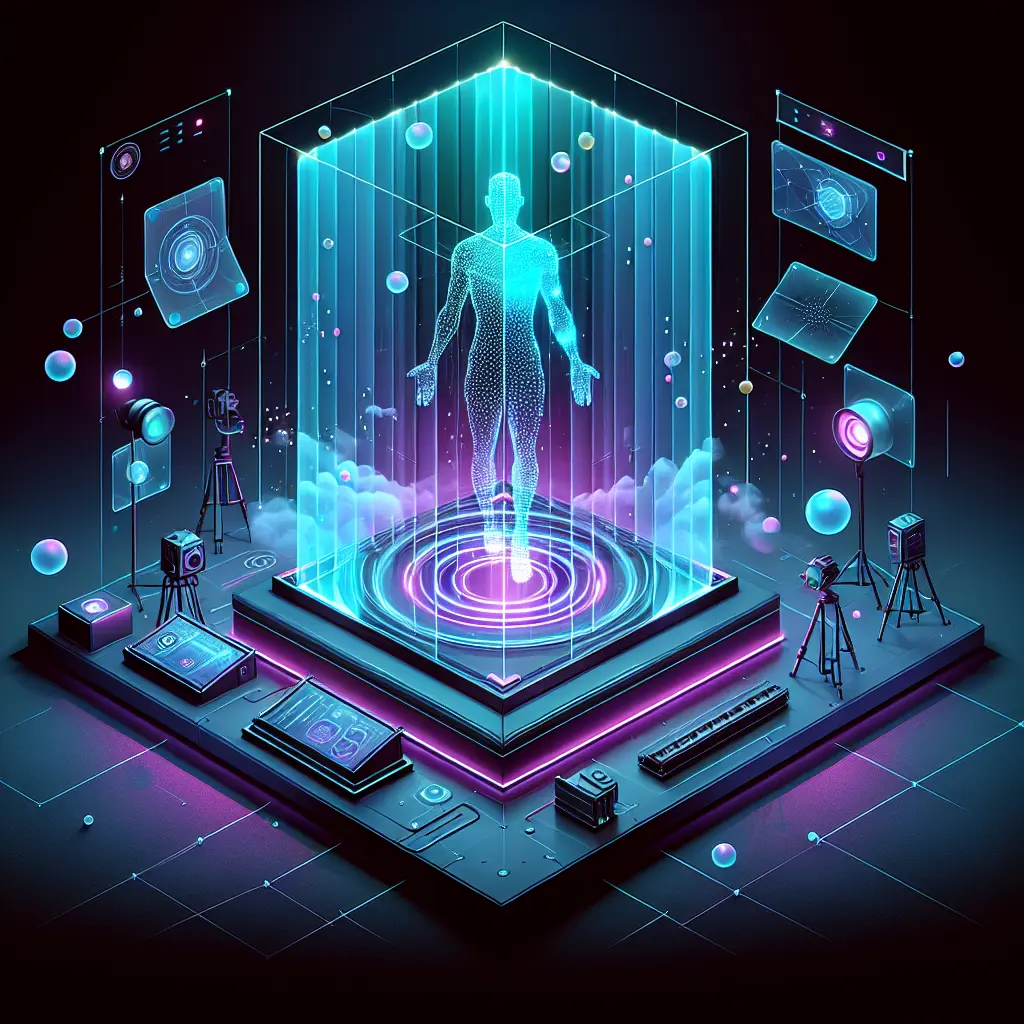
3D Modeling & Texturing refers to the process of creating three-dimensional digital representations of objects and environments, and then applying detailed surface characteristics to them. Modeling involves shaping geometry using specialized software, while texturing adds color, patterns, and material properties to make the models appear realistic. Together, these techniques are fundamental in industries like video games, animation, architecture, and film, enabling artists to produce visually compelling and lifelike digital assets.
3D Modeling & Texturing
3D Modeling & Texturing refers to the process of creating three-dimensional digital representations of objects and environments, and then applying detailed surface characteristics to them. Modeling involves shaping geometry using specialized software, while texturing adds color, patterns, and material properties to make the models appear realistic. Together, these techniques are fundamental in industries like video games, animation, architecture, and film, enabling artists to produce visually compelling and lifelike digital assets.
💡 Key Takeaways
- Understand how modeling and texturing fit into 3D asset creation and how they influence each other.
- Learn basic polygonal modeling and topology principles for clean geometry.
- Master UV unwrapping and texture mapping to ensure accurate, seamless textures.
- Create and apply materials/textures using a PBR workflow (color/diffuse, metallic/roughness, normal maps).
- Get an overview of the typical creative workflow: blocking, shaping, baking, texturing, and rendering.
❓ Frequently Asked Questions
What is 3D modeling?
The process of creating digital geometric shapes that define the form of objects or environments in three dimensions, typically by manipulating vertices, edges, and faces in software.
What is texturing in 3D art?
Applying color, patterns, and surface details to a model using textures and materials to simulate real-world surfaces.
What is the difference between modeling and texturing?
Modeling creates the shape and structure of a model; texturing adds surface appearance such as color and detail, often using texture maps.
What is UV mapping?
Unwrapping a 3D model's surface onto a 2D plane so textures can be painted and applied without distortion.