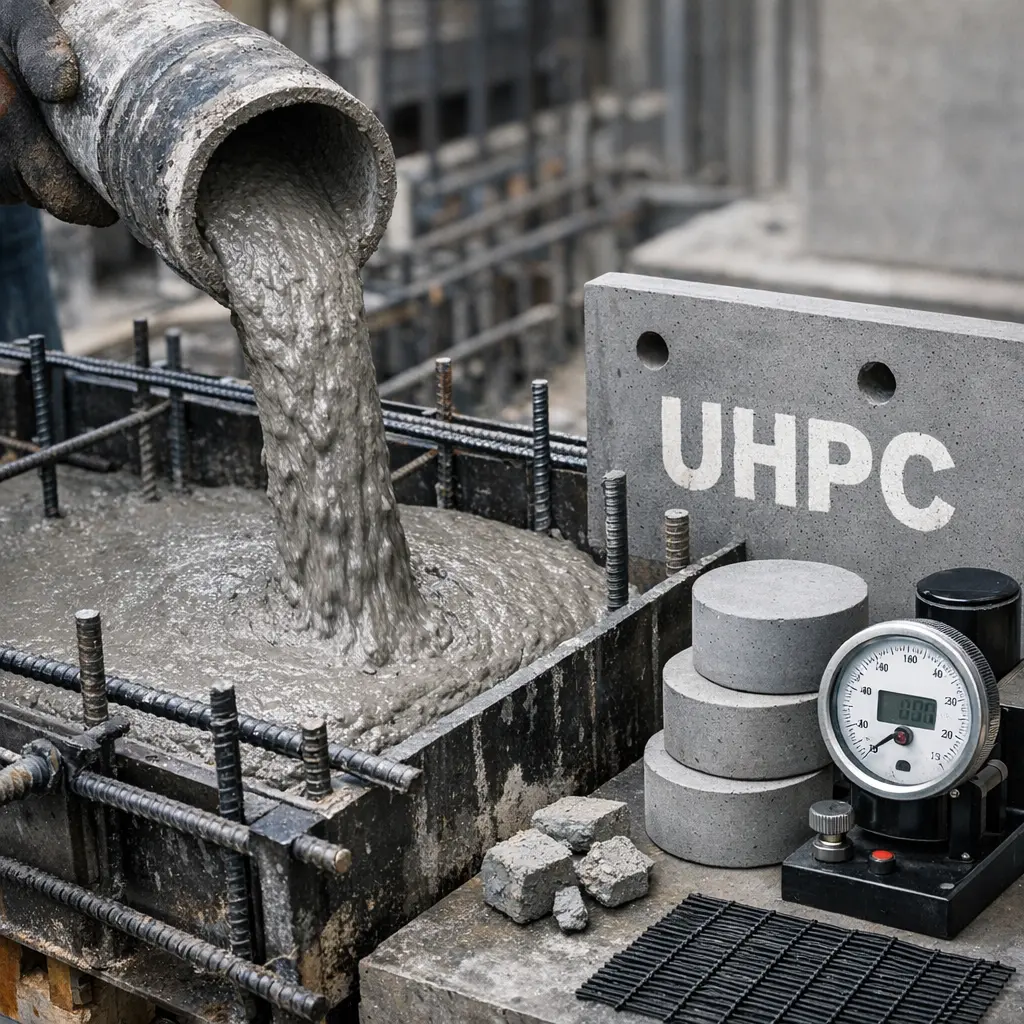
3D-Printed and Additively Manufactured Construction refers to innovative building techniques that use digital models and layer-by-layer material deposition to create structures. Utilizing materials like concrete, polymers, or metals, these methods enable rapid, precise, and customizable construction. They reduce waste, labor costs, and construction time while allowing for complex architectural designs that are difficult to achieve with traditional methods. This technology is revolutionizing the construction industry by enhancing efficiency and sustainability.
3D-Printed and Additively Manufactured Construction
3D-Printed and Additively Manufactured Construction refers to innovative building techniques that use digital models and layer-by-layer material deposition to create structures. Utilizing materials like concrete, polymers, or metals, these methods enable rapid, precise, and customizable construction. They reduce waste, labor costs, and construction time while allowing for complex architectural designs that are difficult to achieve with traditional methods. This technology is revolutionizing the construction industry by enhancing efficiency and sustainability.
💡 Key Takeaways
- Define additive manufacturing in construction and how it differs from traditional building methods.
- Describe materials used in large-scale 3D printing (e.g., concrete mixes) and their impact on strength and curing.
- Explain design for printability considerations such as wall thickness, geometry, and layer orientation.
- Identify real-world applications and the benefits and limitations of 3D-printed construction (speed, waste reduction, cost).
- Understand safety, regulatory, and site integration considerations for 3D-printed buildings.
❓ Frequently Asked Questions
What is 3D-Printed and Additively Manufactured Construction?
Building structures by depositing material layer by layer from a digital model, using large-scale 3D printers. Common applications include walls, components, or entire buildings using concrete or similar materials.
What materials are commonly used in large-scale construction 3D printing?
Cementitious concrete mixes designed for extrusion and pumping, plus specialized mortars. Some systems use polymers or metals in niche cases; materials are chosen for flow, curing, and strength.
What are the main benefits and challenges of additive construction?
Benefits include faster builds, reduced waste, design flexibility, and complex geometries. Challenges include high equipment costs, material performance, regulatory approvals, and ensuring long-term durability.
Where is construction 3D printing typically used, and what should you assess before adopting it?
Common uses include housing and structural components. Before adoption, assess structural requirements, local codes, site readiness, logistics, and total lifecycle costs.