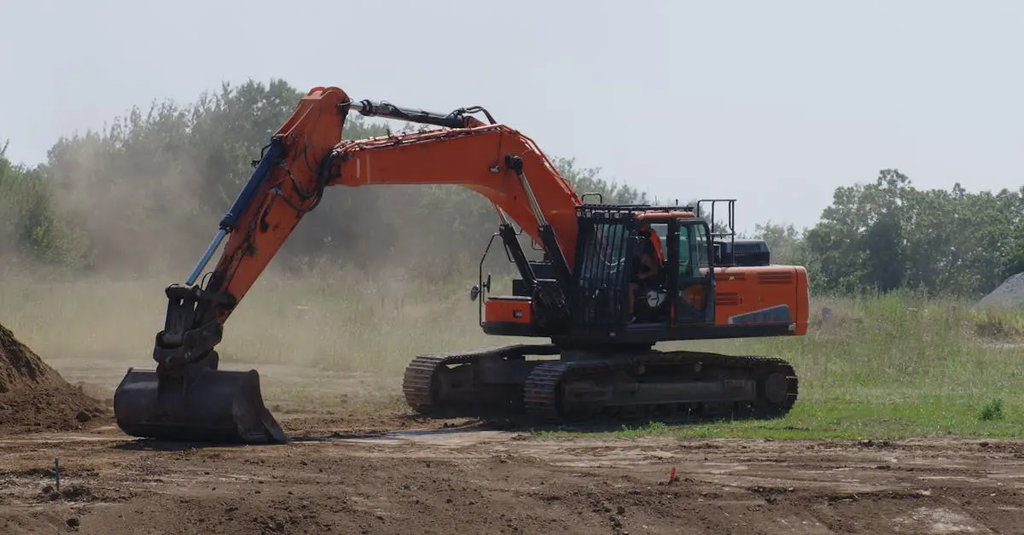
3D printing of structural and architectural components in construction technology refers to the use of advanced additive manufacturing techniques to create building elements layer by layer from digital designs. This innovative process allows for precise fabrication of complex shapes using materials such as concrete, polymers, or metals. It enhances design flexibility, reduces material waste, shortens construction timelines, and enables the production of customized components, revolutionizing traditional construction methods and promoting sustainable building practices.
3D Printing of Structural and Architectural Components
3D printing of structural and architectural components in construction technology refers to the use of advanced additive manufacturing techniques to create building elements layer by layer from digital designs. This innovative process allows for precise fabrication of complex shapes using materials such as concrete, polymers, or metals. It enhances design flexibility, reduces material waste, shortens construction timelines, and enables the production of customized components, revolutionizing traditional construction methods and promoting sustainable building practices.
💡 Key Takeaways
- Understand how material choice and print orientation affect the strength and durability of 3D-printed structural parts.
- Learn design-for-additive-manufacturing (DfAM) strategies to optimize performance and reduce print time for architectural components.
- Recognize the limitations of 3D-printed structures, including anisotropy, bonding, and safety factors for load-bearing elements.
- Explore how 3D-printed parts can be finished and integrated with traditional construction (weatherproofing, anchoring, and code considerations).
❓ Frequently Asked Questions
What is 3D printing of structural and architectural components?
Additive manufacturing that builds building parts layer by layer, enabling complex shapes and rapid prototyping for items like brackets, connectors, panels, and some larger elements using suitable materials.
What materials are commonly used for structural 3D-printed architecture?
Polymers (e.g., PLA, ABS, PETG, nylon, PC), reinforced polymer composites, cementitious/architectural concrete for large-scale printers, and metals in specialized processes; material choice affects strength, durability, and fire resistance.
How do build orientation and printing process affect strength?
Strength typically varies with the layer direction due to anisotropy; parts are strongest along the layer plane. Design and orient critical loads accordingly, and use post-processing to improve properties.
What design considerations aid safety and performance?
Ensure adequate wall thickness, appropriate infill, strong joints/connectors, proper load paths, and supports; verify compliance with codes through testing and engineering review.
What are common applications of 3D-printed components in architecture?
Architectural models, custom fabrications like brackets and façade elements, formwork or molds, and some full-scale components in certified processes and materials.