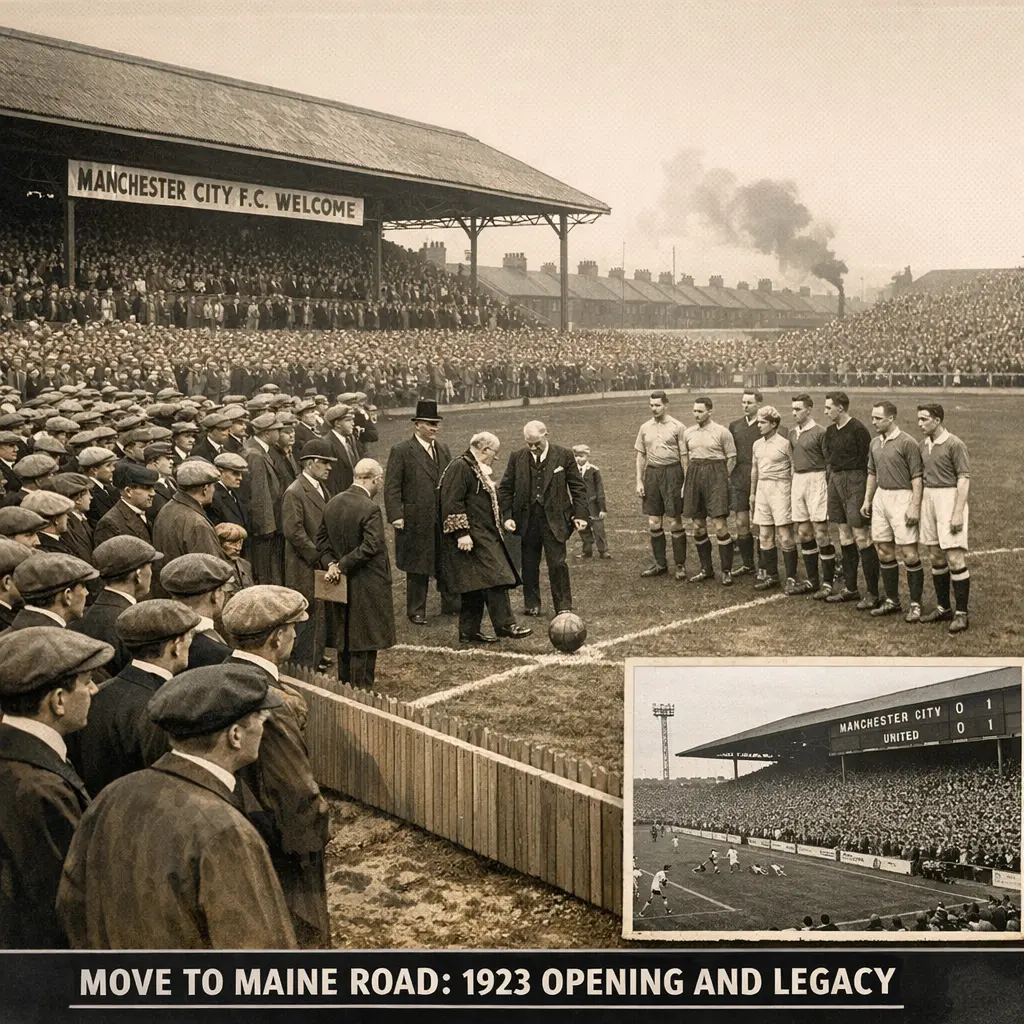
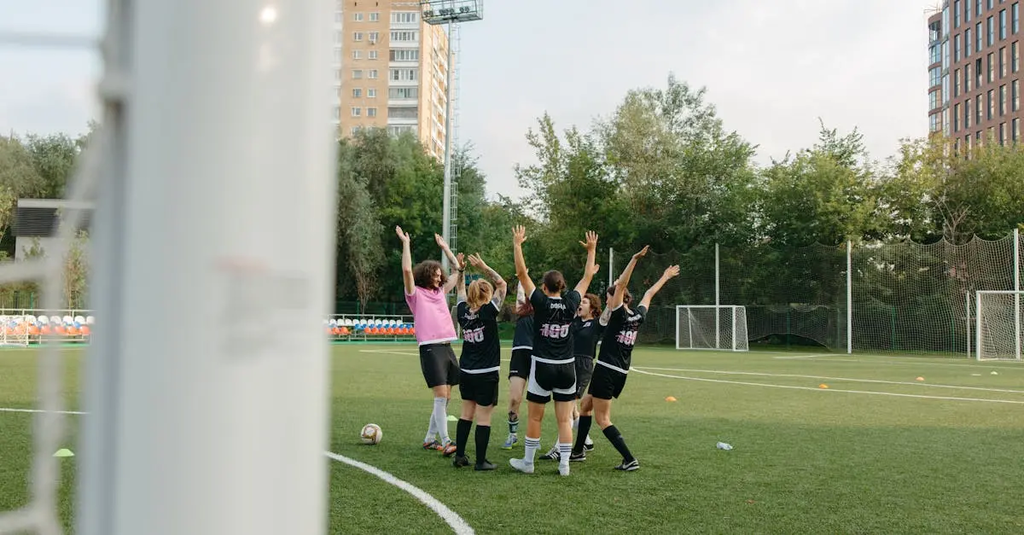
The 4-3-3 to 3-2-2-3 shape shift refers to Manchester City’s tactical transition during matches. Starting with a traditional 4-3-3 formation, City often morph into a 3-2-2-3 when building attacks. A full-back typically moves into midfield, creating a back three, while two midfielders sit ahead, and two advanced midfielders support three forwards. This shape enhances ball control, overloads central areas, and facilitates dynamic attacking play.
4-3-3 to 3-2-2-3 Shape Shifts
The 4-3-3 to 3-2-2-3 shape shift refers to Manchester City’s tactical transition during matches. Starting with a traditional 4-3-3 formation, City often morph into a 3-2-2-3 when building attacks. A full-back typically moves into midfield, creating a back three, while two midfielders sit ahead, and two advanced midfielders support three forwards. This shape enhances ball control, overloads central areas, and facilitates dynamic attacking play.

💡 Key Takeaways
- Understand how the 4-3-3 balance shifts when moving to a 3-2-2-3, including backline shape, midfield pivots, and the forwards' roles.
- Learn how to reposition for the shift to maintain width and depth, such as wing-backs or wide forwards adapting in a three-back system.
- Identify the roles and responsibilities in the 3-2-2-3 (three defenders, two holding/defensive midfielders, two attacking midfielders, and a front three) and how they support build-up, pressing, and transitions.
- Practice coaching cues and drills for shape-shifting, transition timing, spacing, and role clarity to execute the formation under pressure.
❓ Frequently Asked Questions
What is the 4-3-3 formation in soccer?
A formation with four defenders, three midfielders, and three attackers, designed to provide width, pressing, and attacking options.
What is the 3-2-2-3 shape, and how does it differ from 4-3-3?
A shape shift that rearranges players into three defenders, two holding/defensive midfielders, two more advanced midfielders, and three forwards. It changes spacing to balance defense with new midfield and attacking options.
When would a team switch from 4-3-3 to 3-2-2-3 during a match?
To gain central midfield control, create attacking overloads, or adjust to the opponent’s setup while maintaining defensive coverage.
What are typical roles in a 3-2-2-3 setup?
Three defenders form the back line; two defensive midfielders shield the defense; two midfielders link play and create; and three forwards provide forwards options and width.