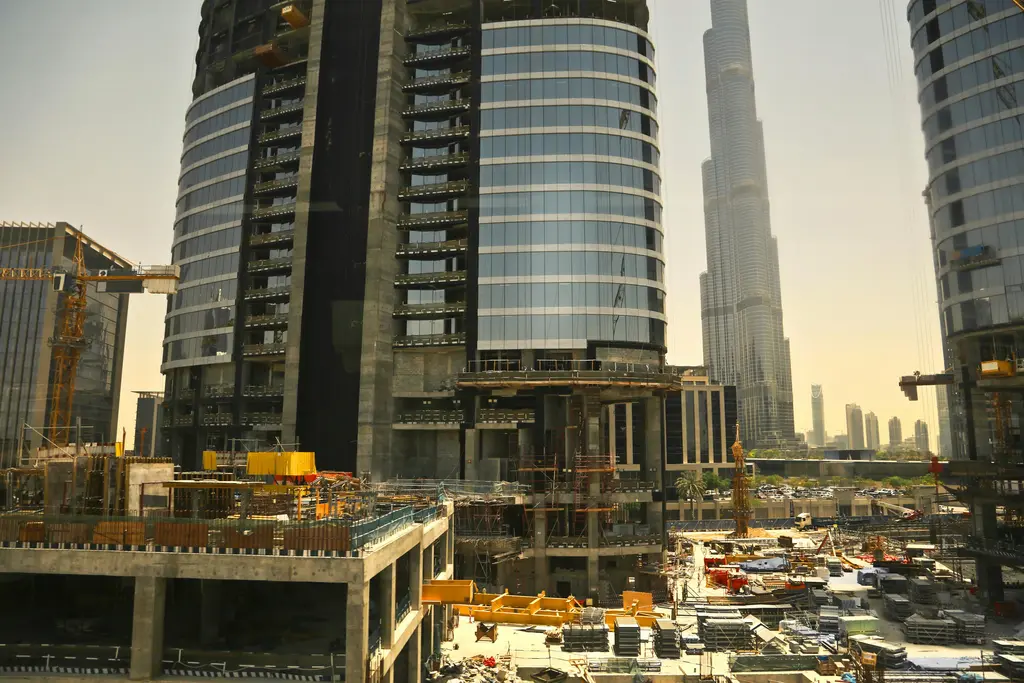
4D and 5D BIM refer to advanced Building Information Modeling processes that integrate time (4D) and cost (5D) dimensions into traditional 3D models. In construction planning, 4D BIM links project schedules to the model, enabling visualization of project progress over time. 5D BIM incorporates cost data, allowing for accurate budgeting and real-time cost estimation. Together, they enhance project coordination, streamline scheduling, improve cost control, and support informed decision-making throughout the construction environment.
4D and 5D BIM for Planning and Costing
4D and 5D BIM refer to advanced Building Information Modeling processes that integrate time (4D) and cost (5D) dimensions into traditional 3D models. In construction planning, 4D BIM links project schedules to the model, enabling visualization of project progress over time. 5D BIM incorporates cost data, allowing for accurate budgeting and real-time cost estimation. Together, they enhance project coordination, streamline scheduling, improve cost control, and support informed decision-making throughout the construction environment.

💡 Key Takeaways
- Understand how 4D BIM links the 3D model with the project schedule to visualize construction sequencing over time.
- Learn how 5D BIM attaches cost data (quantities and pricing) to model elements to support budgeting and cost control.
- Explore how 4D/5D BIM enhances planning accuracy, progress tracking, and risk management through visual planning and data integration.
- Discover practical workflows for integrating models with schedules and cost data, including data sources, deliverables, and stakeholder reporting.
❓ Frequently Asked Questions
What is BIM?
Building Information Modeling (BIM) is a digital representation of a building’s physical and functional characteristics used to plan, design, construct, and operate projects with data-rich, shareable models.
What is 4D BIM?
4D BIM adds the time/scheduling dimension to a 3D BIM, linking model elements to the project timeline so you can visualize construction sequences and monitor progress.
What is 5D BIM?
5D BIM extends 4D by including cost information, enabling automatic quantity takeoffs, cost estimation, and budget monitoring from the BIM model.
How do 4D and 5D BIM improve planning and costing?
They integrate schedule and cost data with the 3D model, enabling better collaboration, scenario analysis, early clash/risk detection, more accurate estimates, and tighter time and budget control.