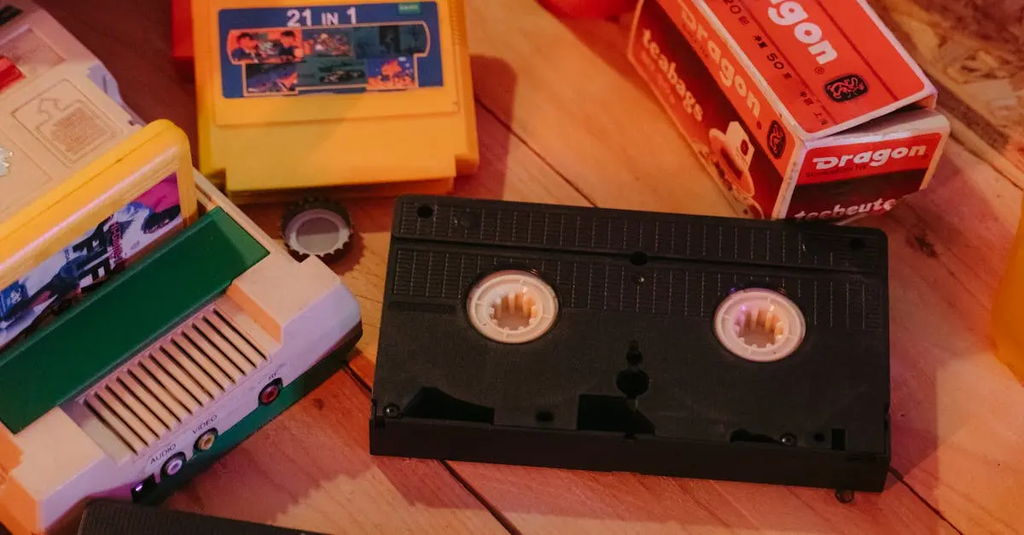
The 8-bit and 16-bit era refers to a pivotal period in video game history, spanning the late 1970s to early 1990s. During this time, home consoles and computers used 8-bit and later 16-bit microprocessors, which determined graphics, sound, and gameplay capabilities. Iconic systems like the NES and Sega Genesis emerged, shaping classic franchises and defining the visual and audio style of retro gaming, while advancing technology and creativity in the industry.
8-Bit & 16-Bit Era+50
The 8-bit and 16-bit era refers to a pivotal period in video game history, spanning the late 1970s to early 1990s. During this time, home consoles and computers used 8-bit and later 16-bit microprocessors, which determined graphics, sound, and gameplay capabilities. Iconic systems like the NES and Sega Genesis emerged, shaping classic franchises and defining the visual and audio style of retro gaming, while advancing technology and creativity in the industry.
💡 Key Takeaways
- Understand what 8-bit and 16-bit mean and how they shaped graphics, sound, and gameplay in the late 1970s to early 1990s.
- Trace the timeline from 8-bit to 16-bit hardware and how developers exploited the newer capabilities.
- Identify iconic systems from the era (e.g., NES and SNES) and explain how their hardware decisions influenced game design and genres.
- Compare 8-bit and 16-bit eras to highlight key improvements in visuals, audio, and gameplay experiences.
❓ Frequently Asked Questions
What defines the 8-bit & 16-bit era?
A pivotal period in video game history (late 1970s to early 1990s) when home consoles and computers used 8-bit and later 16-bit microprocessors, shaping graphics, sound, and gameplay.
How did 8-bit vs 16-bit hardware affect visuals and audio?
8-bit hardware offered limited colors and sound channels; 16-bit hardware enabled more colors, richer audio, larger sprites, and smoother animation.
Which iconic systems symbolize this era?
8-bit: Nintendo Entertainment System (NES). 16-bit: Super Nintendo Entertainment System (SNES) and Sega Genesis are key examples.
How did developers push the limits of 8- and 16-bit hardware?
Through clever programming, tile-based graphics, sprite tricks, memory management, and optimized sound to maximize performance within hardware constraints.