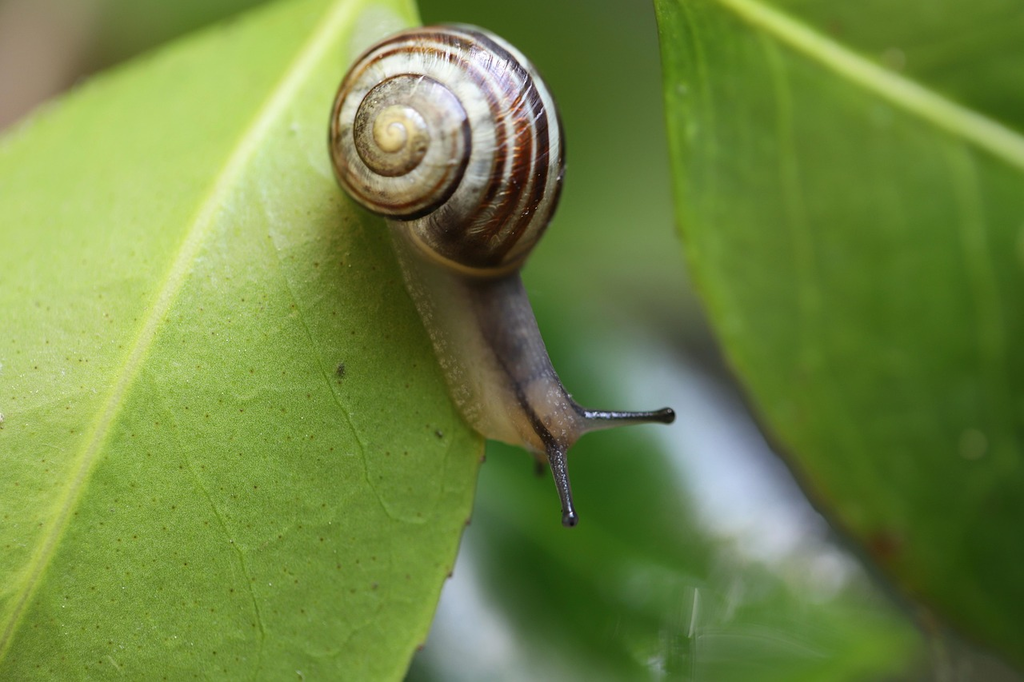
The phrase "A snail can sleep for three years" refers to the fascinating fact that certain snail species can enter a state of prolonged dormancy, known as estivation, to survive harsh conditions like drought. During this period, their metabolism slows dramatically, allowing them to remain inactive for up to three years. This remarkable adaptation helps snails conserve energy and moisture until their environment becomes more favorable, making the fact sound unbelievable but true.
A snail can sleep for three years
The phrase "A snail can sleep for three years" refers to the fascinating fact that certain snail species can enter a state of prolonged dormancy, known as estivation, to survive harsh conditions like drought. During this period, their metabolism slows dramatically, allowing them to remain inactive for up to three years. This remarkable adaptation helps snails conserve energy and moisture until their environment becomes more favorable, making the fact sound unbelievable but true.
💡 Key Takeaways
- Understand estivation in snails and how they can sleep for extended periods
- Learn why drought and scarce food trigger multi-year dormancy
- Explore the snail's physiological adaptations during dormancy (low metabolism, moisture retention)
- Compare snail dormancy to hibernation in other animals
❓ Frequently Asked Questions
Can a snail sleep for three years?
Snails can enter long-lasting dormancies during harsh conditions, but 'three years' is not typical. Most dormancies last weeks to months; several years would be unusual for common species.
What is the difference between hibernation and estivation in snails?
Hibernation is winter dormancy; estivation is summer dormancy to avoid heat and drought. Both slow metabolism and reduce activity; some snails seal their shell opening with mucus (epiphragm).
What triggers snail dormancy?
Extreme heat and drought or cold weather, especially when moisture is scarce, trigger estivation or hibernation.
What happens during snail dormancy and how do they wake up?
Metabolism slows, water loss is minimized, and the snail remains hidden. They wake when humidity and temperatures improve and resume feeding and movement.