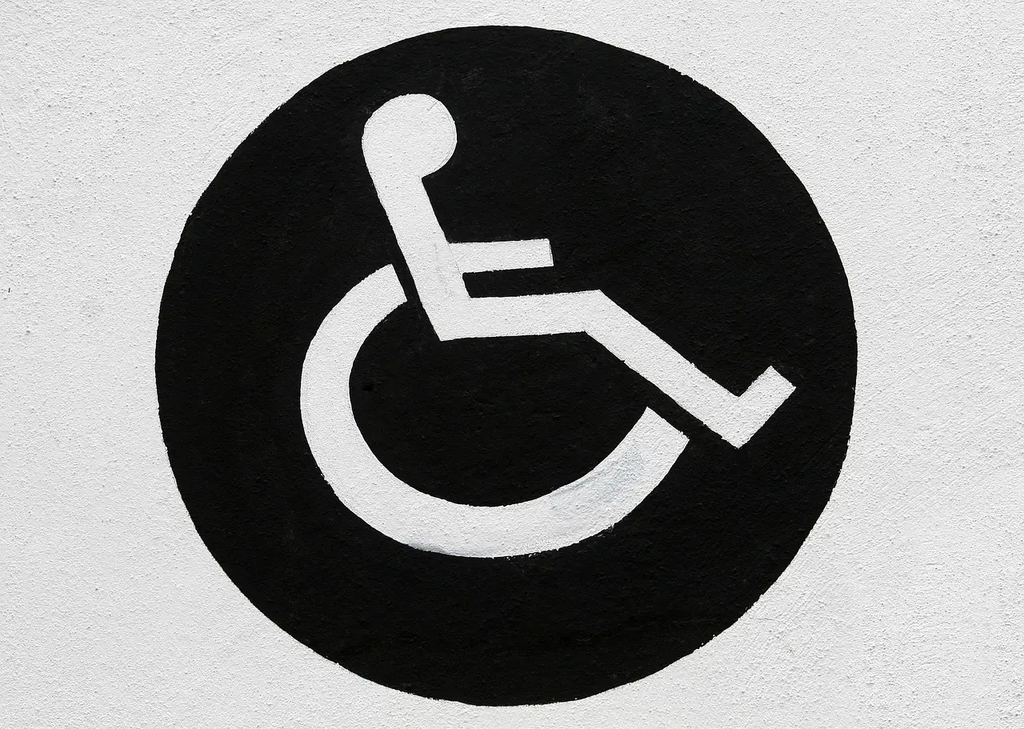
Accessibility and Inclusive Design refer to creating products, services, or environments that can be used by everyone, including people with disabilities. This approach ensures that barriers are removed or minimized, allowing equal access and participation. It involves considering diverse user needs from the outset, such as providing alternative text for images or designing physical spaces for wheelchair access, ultimately fostering a more equitable and user-friendly experience for all individuals.
Accessibility and Inclusive Design
Accessibility and Inclusive Design refer to creating products, services, or environments that can be used by everyone, including people with disabilities. This approach ensures that barriers are removed or minimized, allowing equal access and participation. It involves considering diverse user needs from the outset, such as providing alternative text for images or designing physical spaces for wheelchair access, ultimately fostering a more equitable and user-friendly experience for all individuals.
💡 Key Takeaways
- Define accessibility and inclusive design in the context of festivals and celebrations worldwide.
- Identify common barriers (physical, sensory, communication) and how to remove them.
- Apply universal design principles to festivals, venues, and experiences.
- Explore practical accommodations and assistive technologies that support inclusive participation.
❓ Frequently Asked Questions
What is accessibility in the context of festivals and celebrations?
Accessibility means designing events, venues, and information so people with disabilities can participate fully, including physical access, communication, and participation.
What is inclusive design and how does it differ from accessibility?
Inclusive design proactively considers diverse users from the start, aiming to remove barriers for as many people as possible, beyond meeting minimum accessibility standards.
What are common barriers at festivals and how can they be addressed?
Barriers include inaccessible paths, limited seating, confusing signage, and noisy environments. Address with ramps/elevators, ample seating, clear high-contrast signage, quiet zones, and trained staff.
How can organizers ensure information and activities are accessible to all participants?
Offer multiple formats (audio, captions, sign language, large print, plain language, translations), provide accessible online and on-site info, and train staff to assist diverse needs.