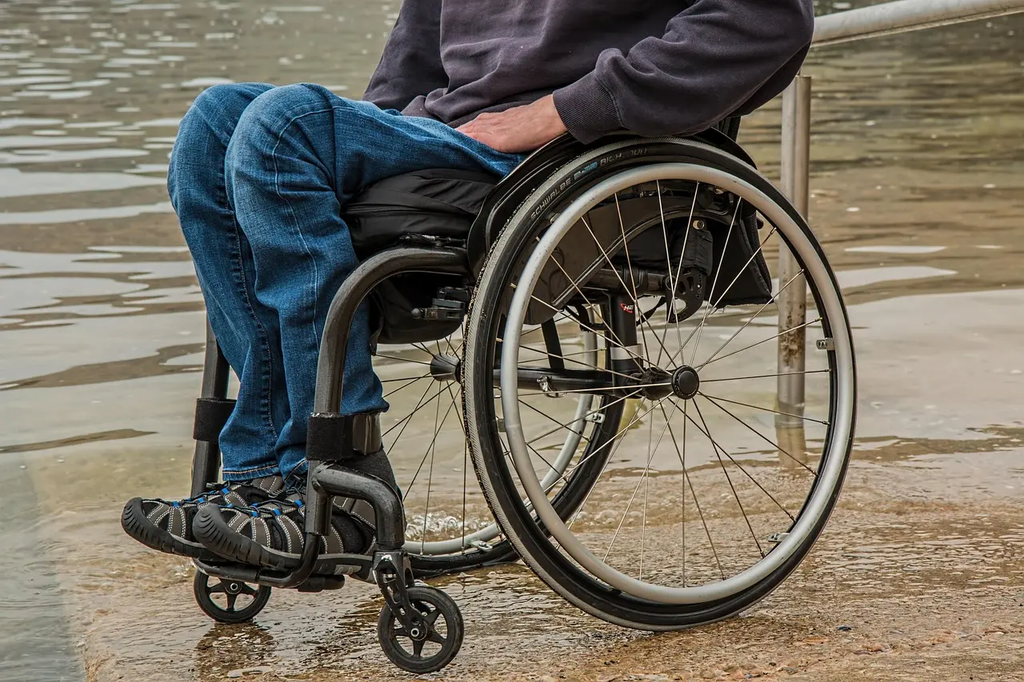
Accessibility and transporting mobility devices refers to the ease with which individuals who use wheelchairs, scooters, or other assistive equipment can move between locations. It involves designing public and private transportation systems, buildings, and infrastructure to accommodate these devices, ensuring that users can travel safely, comfortably, and independently. This includes features like ramps, lifts, spacious vehicles, and clear pathways, promoting equal opportunities and inclusion for people with mobility challenges.
Accessibility and Transporting Mobility Devices
Accessibility and transporting mobility devices refers to the ease with which individuals who use wheelchairs, scooters, or other assistive equipment can move between locations. It involves designing public and private transportation systems, buildings, and infrastructure to accommodate these devices, ensuring that users can travel safely, comfortably, and independently. This includes features like ramps, lifts, spacious vehicles, and clear pathways, promoting equal opportunities and inclusion for people with mobility challenges.
💡 Key Takeaways
- Understand how vehicle design, transit services, and infrastructure can support easy, safe mobility device access for driving and commuting.
- Learn best practices for transporting mobility devices, including securing equipment, space requirements, and safe loading/unloading.
- Identify common barriers in everyday travel (boarding, transfers, curb access) and actionable strategies to overcome them.
- Explore inclusive design principles for parking, entrances, and wayfinding that improve accessibility for mobility device users.
❓ Frequently Asked Questions
What does accessibility in driving and commuting mean for mobility devices?
It means designing and providing transportation options so people using wheelchairs, scooters, or other assistive equipment can travel between locations safely and independently, with features like ramps, lifts, wide doors, ample turning space, curb cuts, and accessible information.
What features should vehicles and transit systems include to accommodate mobility devices?
Ramps or lifts, designated wheelchair spaces with securement systems, wide doorways and aisles, lowered floors or step-free access, and accessible ticketing, signage, and wayfinding.
Why are securement and assistance important for mobility devices on transit?
Securement keeps mobility devices from moving during transit, protecting riders and devices. Staff may assist with boarding, securing the device, and ensuring compliance with safety guidelines.
What common barriers affect accessibility and how can they be addressed?
Barriers include physical obstacles (stairs, narrow entrances), service gaps (insufficient assistance or unreliable schedules), and information barriers (inaccessible announcements). Solutions involve creating accessible routes, training staff, offering advance notice, and providing clear, accessible information.