The Acropolis of Athens is an ancient citadel situated on a rocky outcrop above the city of Athens, Greece. Renowned for its historical and architectural significance, it features iconic structures such as the Parthenon, the Erechtheion, and the Temple of Athena Nike. As a symbol of classical civilization and democracy, the Acropolis attracts millions of visitors each year and stands as a testament to the artistic and cultural achievements of ancient Greece.
Acropolis of Athens
The Acropolis of Athens is an ancient citadel situated on a rocky outcrop above the city of Athens, Greece. Renowned for its historical and architectural significance, it features iconic structures such as the Parthenon, the Erechtheion, and the Temple of Athena Nike. As a symbol of classical civilization and democracy, the Acropolis attracts millions of visitors each year and stands as a testament to the artistic and cultural achievements of ancient Greece.
💡 Key Takeaways
- Identify the main monuments on the Acropolis (Parthenon, Propylaea, Erechtheion, and Temple of Athena Nike).
- Understand the Acropolis' historical role as the ancient citadel of Athens during the classical period.
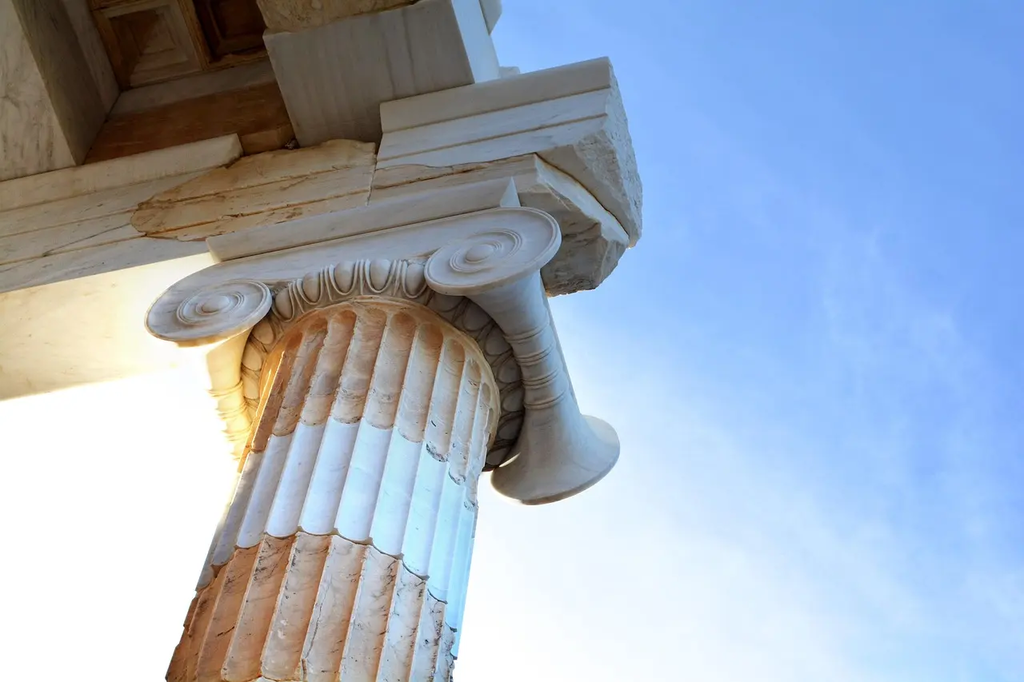
- Describe key architectural features of its temples (Doric columns, marble construction, sculpted friezes) and what they reveal about Greek design.
- Recognize the Acropolis' status as a UNESCO World Heritage site and the importance of preservation and restoration efforts.
❓ Frequently Asked Questions
What is the Acropolis of Athens?
A historic citadel on a rocky hill in Athens that houses iconic temples, including the Parthenon, and stands as a symbol of ancient Greek civilization.
What are the main structures on the Acropolis?
Parthenon (temple to Athena), Propylaea (gateway), Erechtheion (notable for its Caryatids), and the Temple of Athena Nike.
When was it built and who built it?
Most construction occurred in the 5th century BCE during Athens’ Golden Age, led by Pericles; architects included Ictinus and Callicrates, with sculptor Phidias contributing to the Parthenon.
Why is the Acropolis important today?
It represents the height of ancient Greek art and architecture and is a UNESCO World Heritage site, reflecting democracy, philosophy, and classical sculpture.