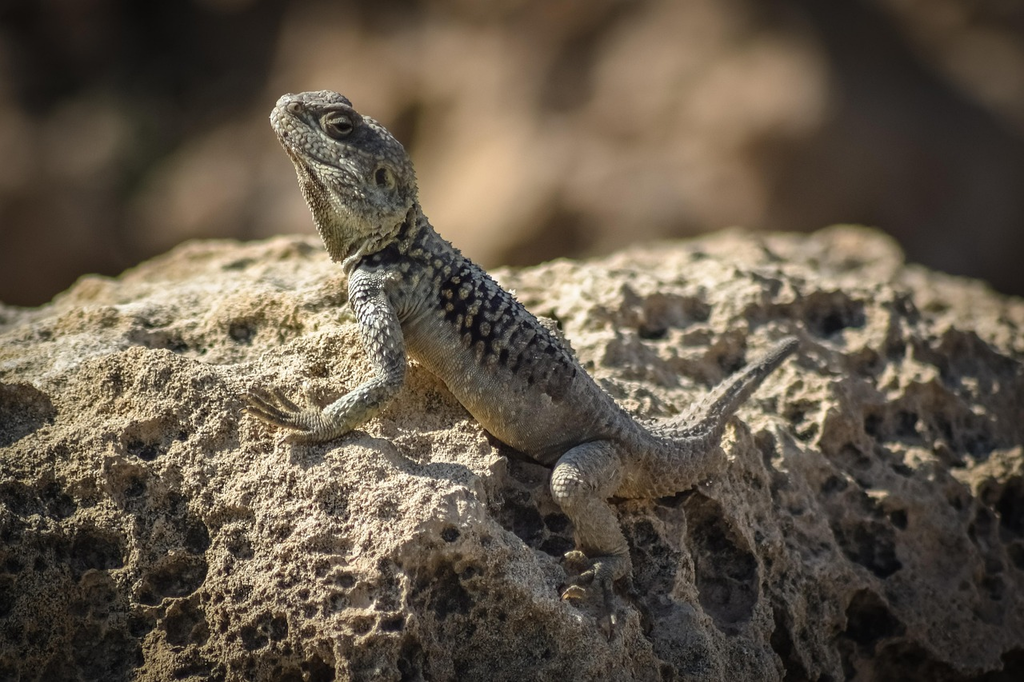
Adaptive camouflage refers to the ability of an organism or object to change its appearance, color, or texture to blend seamlessly with its surroundings, making it difficult to detect. This strategy, often seen in animals like chameleons and octopuses, allows them to hide in plain sight from predators or prey. In technology, adaptive camouflage can involve materials or devices that alter their appearance to match their environment, enhancing stealth and concealment.
Adaptive Camouflage
Adaptive camouflage refers to the ability of an organism or object to change its appearance, color, or texture to blend seamlessly with its surroundings, making it difficult to detect. This strategy, often seen in animals like chameleons and octopuses, allows them to hide in plain sight from predators or prey. In technology, adaptive camouflage can involve materials or devices that alter their appearance to match their environment, enhancing stealth and concealment.
💡 Key Takeaways
- Define adaptive camouflage and its importance in nature and technology
- Describe how organisms adjust color, pattern, or texture to blend into their surroundings
- Differentiate pigment-based camouflage from structural coloration and rapid changes
- Highlight real-world applications and current challenges in adaptive camouflage
❓ Frequently Asked Questions
What is adaptive camouflage?
The ability to change appearance to match the surroundings, helping to hide from predators or ambush prey. In nature, animals adjust color, pattern, and texture; in technology, materials mimic this for concealment.
How do natural adaptive camouflage systems work in animals?
Animals use skin cells (chromatophores, iridophores, leucophores) and muscles to rapidly alter color, brightness, and patterns in response to light and background cues, sometimes changing texture as well.
What technologies enable adaptive camouflage in devices and clothing?
Programmable pigments, electrochromic or thermochromic materials, flexible displays, sensors, and control systems that sense the surroundings and adjust color, pattern, or texture accordingly.
What are common limitations of adaptive camouflage?
Energy use, slower response times, limited color/pattern range, durability, cost, and performance under changing lighting or backgrounds.