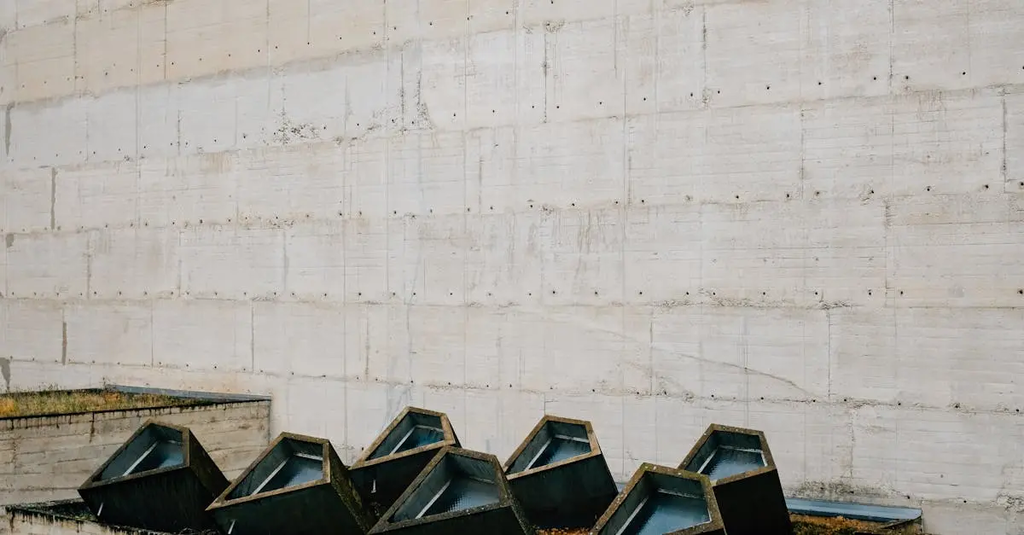
Adaptive reuse and structural retrofitting involve repurposing existing buildings for new uses while upgrading their structural systems to meet current safety, performance, and sustainability standards. This construction technology reduces demolition waste, preserves historic or cultural assets, and extends a building’s lifespan. Retrofitting may include seismic strengthening, energy efficiency improvements, or accessibility upgrades, ensuring the adapted structure aligns with modern requirements and environmental goals while maintaining its original character.
Adaptive Reuse and Structural Retrofitting
Adaptive reuse and structural retrofitting involve repurposing existing buildings for new uses while upgrading their structural systems to meet current safety, performance, and sustainability standards. This construction technology reduces demolition waste, preserves historic or cultural assets, and extends a building’s lifespan. Retrofitting may include seismic strengthening, energy efficiency improvements, or accessibility upgrades, ensuring the adapted structure aligns with modern requirements and environmental goals while maintaining its original character.
💡 Key Takeaways
- Define adaptive reuse and explain its benefits for sustainability, heritage preservation, and urban revitalization.
- Identify common structural retrofitting techniques used in reuse projects (seismic upgrades, new structural frames, and reinforcement of load paths).
- Understand regulatory, safety, and heritage considerations when repurposing existing buildings (codes, accessibility, and preservation guidelines).
- Assess feasibility and plan retrofit projects, including cost, timelines, and coordination with stakeholders.
❓ Frequently Asked Questions
What is adaptive reuse?
Adaptive reuse is the process of repurposing an existing building for a use different from its original function, preserving its character while meeting new needs.
What is structural retrofitting?
Structural retrofitting is upgrading a building’s structural system to improve safety, performance, and code compliance, often to resist earthquakes, wind, or other loads.
How do adaptive reuse and retrofitting relate?
When adapting a building for a new use, retrofitting is often required to ensure the structure can support new loads, meet current codes, and maintain safety.
What are common retrofitting methods?
Common methods include adding braces or shear walls, reinforcing connections, upgrading foundations, and sometimes employing base isolation or advanced framing techniques.