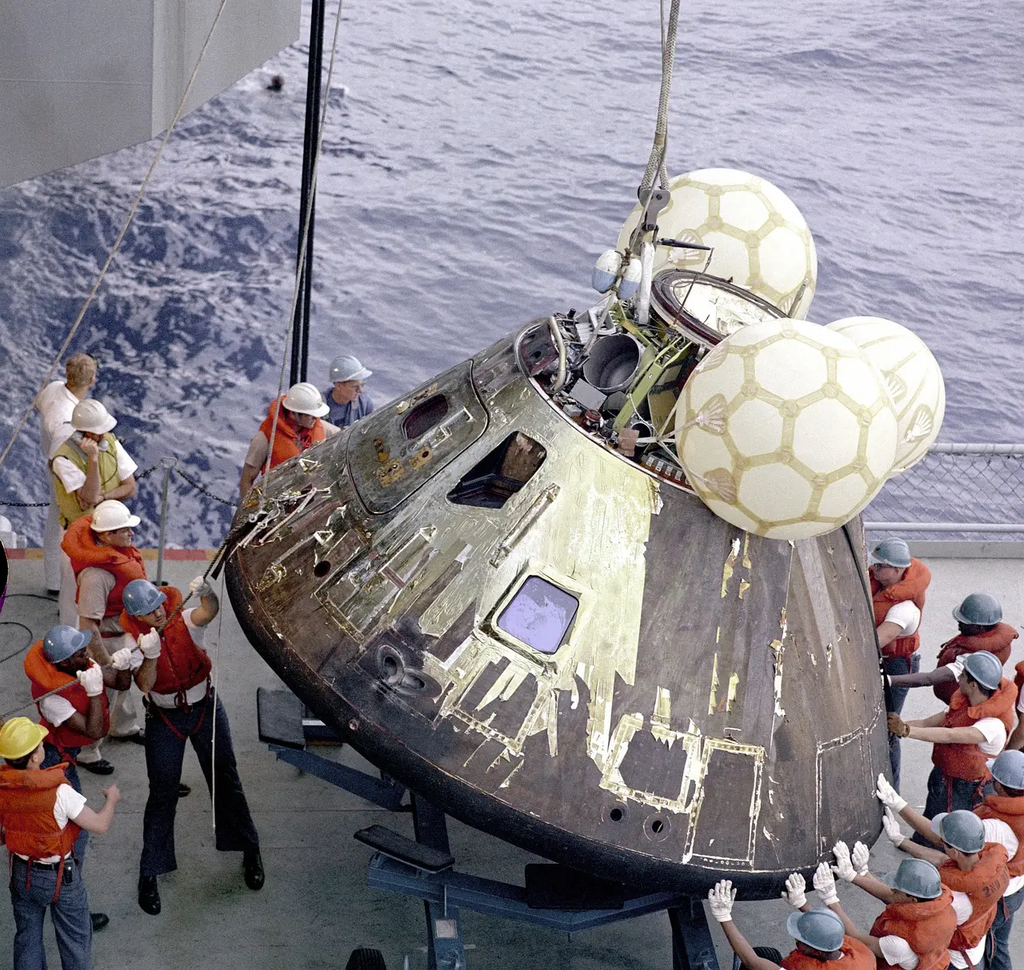
Additive manufacturing in space and rocket factories refers to the use of 3D printing technologies to produce parts and components for spacecraft and rockets. This approach enables rapid prototyping, reduces material waste, and allows for the creation of complex geometries that are difficult or impossible with traditional manufacturing. It also supports on-demand production, potentially enabling astronauts to fabricate tools or replacement parts in space, enhancing flexibility and reducing reliance on Earth-based supply chains.
Additive Manufacturing in Space and Rocket Factories
Additive manufacturing in space and rocket factories refers to the use of 3D printing technologies to produce parts and components for spacecraft and rockets. This approach enables rapid prototyping, reduces material waste, and allows for the creation of complex geometries that are difficult or impossible with traditional manufacturing. It also supports on-demand production, potentially enabling astronauts to fabricate tools or replacement parts in space, enhancing flexibility and reducing reliance on Earth-based supply chains.
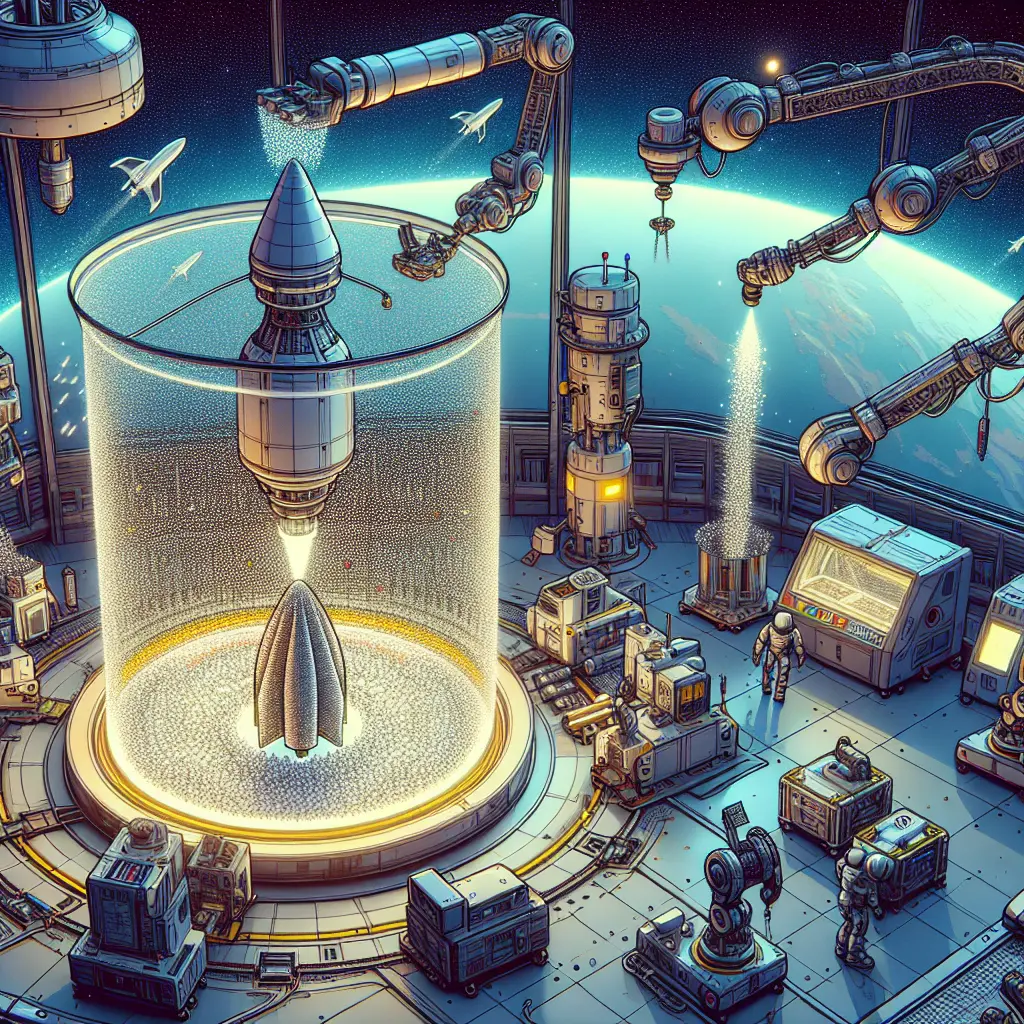
💡 Key Takeaways
- Understand how 3D printing enables rapid prototyping and on‑demand parts production for spacecraft and rockets.
- Explain how additive manufacturing reduces material waste and can lower part weight compared to traditional methods.
- Identify how AM enables complex geometries and integrated assemblies that are hard to fabricate with conventional processes.
- Recognize the space‑specific challenges for AM, including microgravity, vacuum, material qualification, and certification.
- Explore real‑world applications in space exploration and the U.S. aerospace industry, such as on‑orbit manufacturing and resilient spare‑parts supply.
❓ Frequently Asked Questions
What is additive manufacturing in space and rocket factories?
It is the use of 3D printing to make parts and components for spacecraft and rockets, enabling rapid prototyping and on demand production.
What are the main benefits for space exploration and aviation?
Faster prototyping, reduced waste, potential weight savings from optimized part geometry, and the ability to produce parts on demand to reduce supply chain risk.
What technologies are used in aerospace additive manufacturing?
A range of processes such as FDM for polymers, SLS for polymers, DMLS or SLM for metals, EBM for metals, and binder jetting depending on materials and part needs.
What materials are commonly used in aerospace additive manufacturing?
Metals like aluminum and titanium alloys, nickel based superalloys such as Inconel, stainless steel, and polymers like PEEK and ULTEM.
What challenges must be addressed to deploy additive manufacturing in space?
Material behavior in extreme environments, quality assurance and certification, process control in microgravity, thermal cycling, and ensuring reliability and cleanliness.