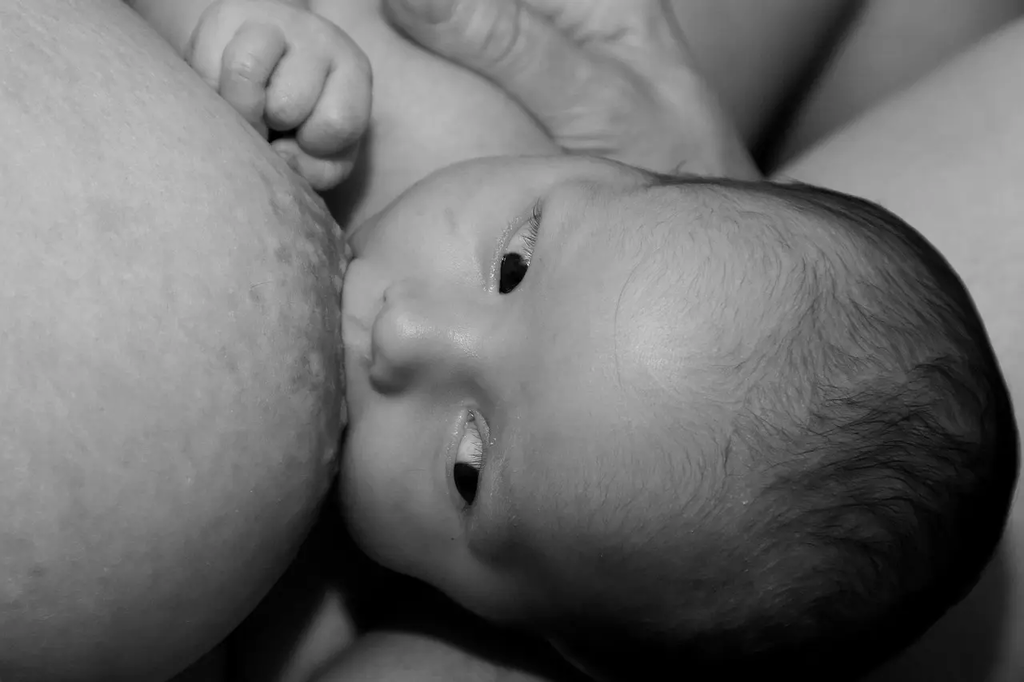
Addressing recurrent plugged ducts and mastitis in post-pregnancy care involves strategies such as frequent breastfeeding or milk expression, ensuring proper latch and positioning, gentle breast massage, warm compresses, and adequate hydration. Early intervention with rest and pain relief is essential. If symptoms persist or worsen, medical evaluation and antibiotics may be necessary. Education on breast care and support from lactation consultants can help prevent recurrence and promote effective breastfeeding.
Addressing recurrent plugged ducts and mastitis strategies
Addressing recurrent plugged ducts and mastitis in post-pregnancy care involves strategies such as frequent breastfeeding or milk expression, ensuring proper latch and positioning, gentle breast massage, warm compresses, and adequate hydration. Early intervention with rest and pain relief is essential. If symptoms persist or worsen, medical evaluation and antibiotics may be necessary. Education on breast care and support from lactation consultants can help prevent recurrence and promote effective breastfeeding.
💡 Key Takeaways
- Differentiate plugged ducts from mastitis and recognize their common signs and symptoms.
- Identify prevention strategies to reduce recurrence, including proper latch, frequent drainage, and regular feeding.
- Learn relief steps during an episode (warm compresses, gentle massage, position changes, hydration, rest) and when antibiotics may be indicated.
- Know when to seek medical care for mastitis and how to discuss recurrent episodes with your clinician.
❓ Frequently Asked Questions
What are plugged ducts and what causes them?
A plugged duct is a blocked milk duct causing a tender lump, usually from milk stasis. Common triggers include infrequent feeds, poor latch, missed feeds, tight clothing, fatigue, and dehydration.
How can I prevent recurrent plugged ducts?
Prevent by frequent, complete emptying of the breast (breastfeed or pump), ensure a good latch and varied feeding positions, start feeds on the affected side, avoid skipping feeds, wear a comfortable bra, stay hydrated, and rest.
How do I treat a plugged duct at home?
Apply a warm compress before feeding, massage milk toward the nipple during feeds, ensure thorough emptying, try different positions, and use a cold compress after feeds to reduce swelling. If no improvement in 1-2 days or fever develops, contact a healthcare provider.
What is mastitis, and when should I seek medical care?
Mastitis is a breast infection causing sudden pain, redness, swelling, and fever. Seek care promptly if you have a fever above 38.3 C, symptoms persist 1-2 days, redness spreads, or you suspect an abscess.
How should I treat mastitis while continuing to breastfeed?
Keep breastfeeding or pumping on the affected side to drain milk; most antibiotics prescribed for mastitis are safe during lactation when advised by a clinician. Rest, fluids, and appropriate pain relief. If no improvement in 1-2 days or you develop an abscess, seek medical care.