Adolescence and puberty refer to the transitional period between childhood and adulthood marked by significant physical, emotional, and psychological changes. Puberty is the biological process during adolescence when individuals experience rapid growth, develop secondary sexual characteristics, and reach sexual maturity. Adolescence encompasses not only these physical changes but also cognitive development, evolving identity, and increased independence, shaping individuals into mature adults capable of making responsible decisions.
Adolescence and Puberty
Adolescence and puberty refer to the transitional period between childhood and adulthood marked by significant physical, emotional, and psychological changes. Puberty is the biological process during adolescence when individuals experience rapid growth, develop secondary sexual characteristics, and reach sexual maturity. Adolescence encompasses not only these physical changes but also cognitive development, evolving identity, and increased independence, shaping individuals into mature adults capable of making responsible decisions.
💡 Key Takeaways
- Understand the key physical changes during puberty and the hormones behind them.
- Recognize common emotional and social changes in adolescence and their impact on behavior.
- Learn effective parenting strategies for puberty, including open communication and healthy boundaries.
- Know when to seek professional help for puberty- or mental health-related concerns.
❓ Frequently Asked Questions
What is adolescence and how is it different from puberty?
Adolescence is the life stage between childhood and adulthood with physical, emotional, and social changes. Puberty is the biological part of adolescence that triggers sexual maturation and rapid growth.
What are common physical changes during puberty for most teens?
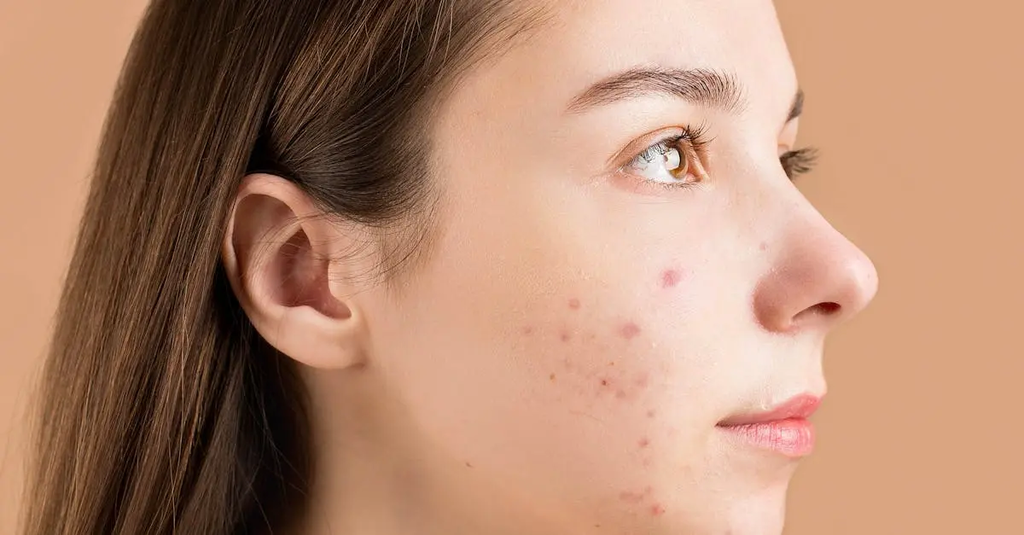
Girls often notice breast development, growth spurts, and, later, menstruation; boys may see testicular growth, voice changes, and growth spurts. Both may experience body/facial hair and skin changes. Timing varies widely.
How can parents best support their child during puberty?
Offer accurate information, encourage questions, and keep communication open and non-judgmental. Support healthy habits (sleep, nutrition, exercise), discuss hygiene and safety, and respect privacy while setting appropriate boundaries.
Why do mood changes happen during puberty, and how should I respond?
Hormonal shifts and new social pressures can cause mood swings and sensitivity. Respond with empathy, listen actively, set consistent boundaries, and help with coping strategies; seek professional help if mood issues are severe or persistent.
When should I seek professional help about puberty-related concerns?
If you notice signs of depression, anxiety, eating or body-image concerns, self-harm, or if puberty is not starting or progressing unusually, consult a pediatrician or family doctor for evaluation and guidance.