Advanced App Security (Daily Mobile Apps) refers to the comprehensive measures and protocols implemented to protect mobile applications used on a daily basis. This includes safeguarding user data, preventing unauthorized access, detecting vulnerabilities, and ensuring secure transactions. Techniques such as encryption, secure authentication, regular security updates, and threat monitoring are employed to defend against malware, data breaches, and cyberattacks, thereby maintaining the integrity and trustworthiness of mobile apps.
Advanced App Security
Advanced App Security (Daily Mobile Apps) refers to the comprehensive measures and protocols implemented to protect mobile applications used on a daily basis. This includes safeguarding user data, preventing unauthorized access, detecting vulnerabilities, and ensuring secure transactions. Techniques such as encryption, secure authentication, regular security updates, and threat monitoring are employed to defend against malware, data breaches, and cyberattacks, thereby maintaining the integrity and trustworthiness of mobile apps.
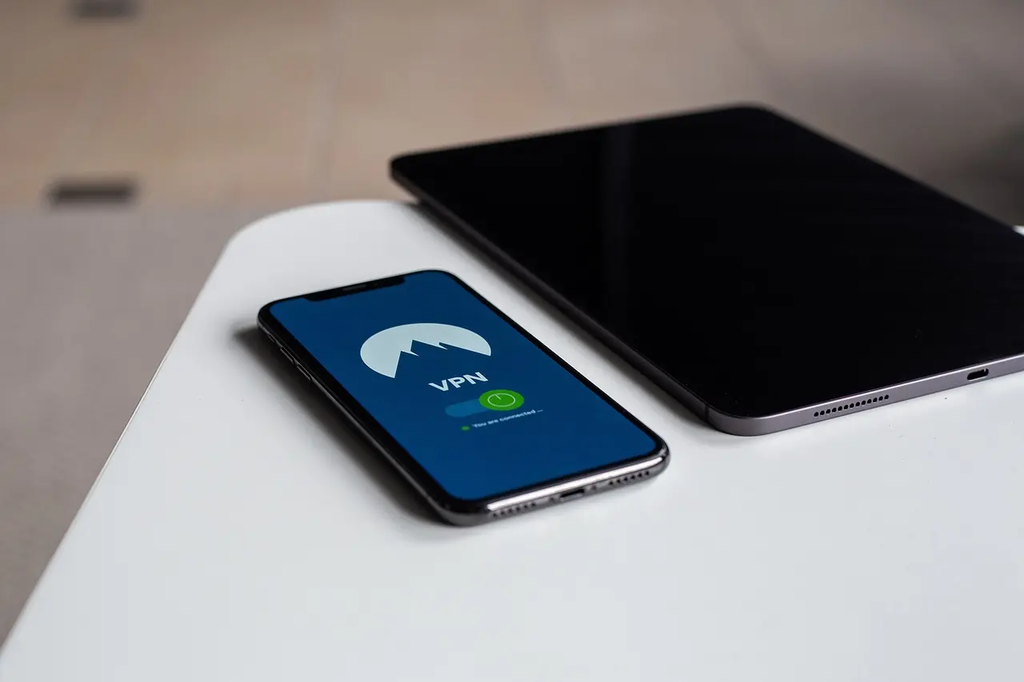
💡 Key Takeaways
- Learn to perform threat modeling to identify and prioritize security risks across the app lifecycle.
- Implement strong authentication, proper authorization, and secure session management to prevent unauthorized access.
- Design and test secure APIs with input validation, access controls, rate limiting, and standards like OAuth2/OpenID Connect.
- Protect data in transit and at rest with strong encryption, proper key management, secure storage, and safe logging practices.
❓ Frequently Asked Questions
What is threat modeling in advanced app security?
A structured process to identify potential threats, attack paths, and impacts early in design, so you can prioritize mitigations.
What are essential practices for secure authentication and session management?
Use multi-factor authentication, avoid plain passwords, store salted hashes with strong algorithms (bcrypt/Argon2), implement OAuth2/OIDC, and use secure, short‑lived tokens with HttpOnly, Secure cookies.
What is the OWASP Top 10 and why is it relevant to app security?
A widely used list of the most critical web app security risks; guides mitigations for issues like injection, broken access control, and sensitive data exposure.
Why are encryption in transit and at rest both necessary in applications?
Encryption in transit (TLS) protects data moving between client and server; encryption at rest protects stored data from breaches. Use strong algorithms and proper key management.