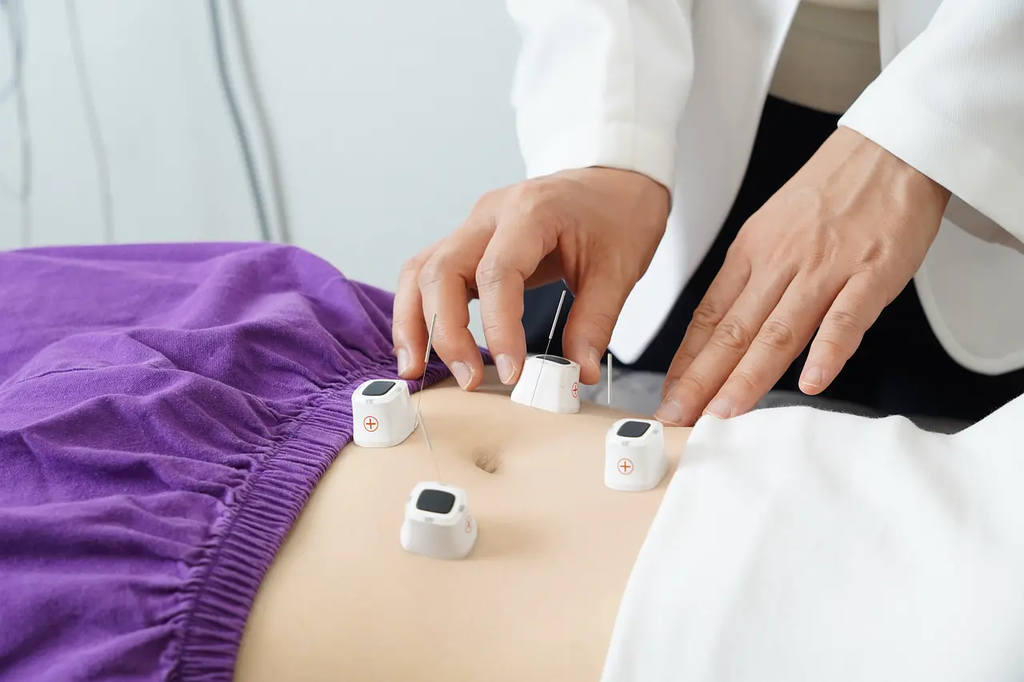
Advanced Aromatherapy (Healing) refers to the sophisticated use of essential oils and plant extracts to promote physical, emotional, and spiritual well-being. It involves a deeper understanding of the therapeutic properties, blending techniques, and application methods of oils. Practitioners may integrate scientific research, holistic principles, and personalized approaches to address specific health concerns, enhance relaxation, and support the body’s natural healing processes, often complementing traditional medical treatments.
Advanced Aromatherapy
Advanced Aromatherapy (Healing) refers to the sophisticated use of essential oils and plant extracts to promote physical, emotional, and spiritual well-being. It involves a deeper understanding of the therapeutic properties, blending techniques, and application methods of oils. Practitioners may integrate scientific research, holistic principles, and personalized approaches to address specific health concerns, enhance relaxation, and support the body’s natural healing processes, often complementing traditional medical treatments.
💡 Key Takeaways
- Understand advanced essential oil properties, including synergy, recommended dosages, and safety considerations for different applications.
- Learn techniques for crafting complex blends and choosing dispersion methods (diffusion, topical, or inhalation) to achieve specific therapeutic goals.
- Evaluate essential oil quality and sourcing, recognizing adulteration, labeling accuracy, and how to select reliable products.
- Identify safety contraindications and best practices for vulnerable groups (pregnant individuals, children), pets, and accidental exposures.
❓ Frequently Asked Questions
What is advanced aromatherapy and how does it differ from basic aromatherapy?
Advanced aromatherapy expands beyond basics to include blend design, extraction methods, chemical constituents, precise dosing, and safety protocols for personalized, more effective use.
How should essential oils be diluted for topical use, and what are typical dilution ranges for different contexts?
For adults: 2–3% dilution for body applications; 1% for facial or sensitive skin. Do not exceed 5% unless supervised. Always use a carrier oil and perform a patch test first.
What safety steps should you take before using essential oils?
Perform a patch test, be aware of photosensitivity (especially citrus oils), avoid eyes and mucous membranes, consider pregnancy, nursing, children, and pets, and consult a professional if you have medical conditions or plan ingestion.
How should you store and handle essential oils to preserve potency and prevent accidents?
Store in dark glass bottles with tightly closed caps, away from heat and light; label with dates; use clean tools; avoid contamination and keep out of reach of children and pets.
What are essential oil notes and how do they influence blends?
Top notes swell quickly and provide initial scent (e.g., citrus, herbs); middle notes form the body; base notes linger longest and act as fixatives. Understanding notes helps create balanced, lasting blends.