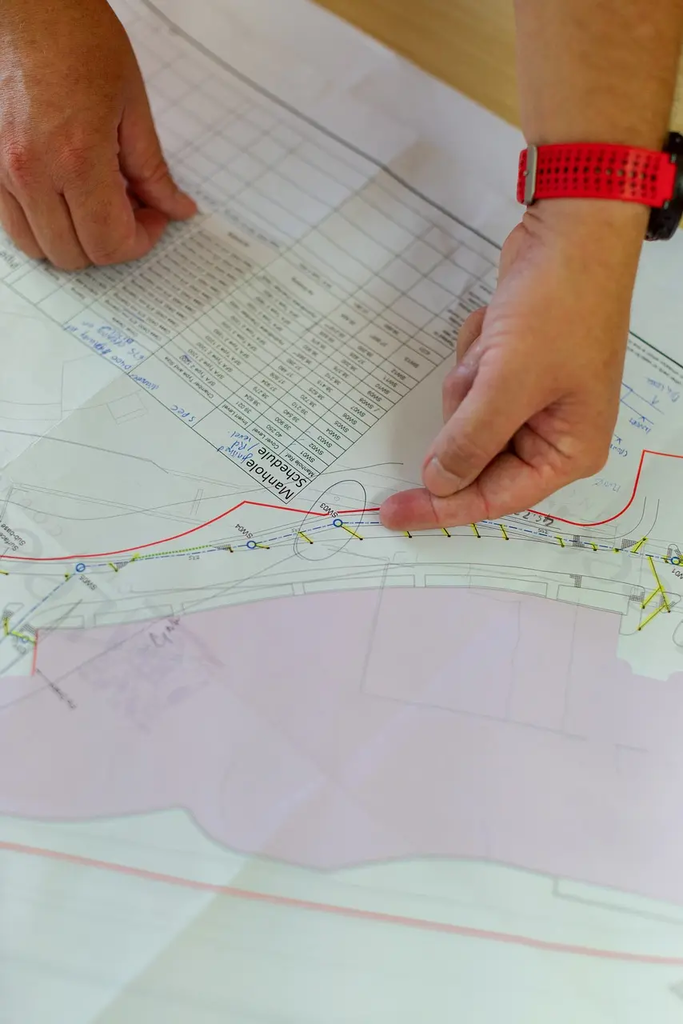
Advanced AR/VR for Coordination and Training refers to the use of augmented and virtual reality technologies to enhance collaboration and skill-building in construction projects. These digital applications allow teams to visualize complex designs, simulate construction processes, and identify potential issues before physical work begins. By immersing users in realistic environments, AR/VR tools improve communication, reduce errors, streamline workflows, and provide hands-on training, ultimately increasing efficiency and safety in construction information management.
Advanced AR/VR for Coordination and Training
Advanced AR/VR for Coordination and Training refers to the use of augmented and virtual reality technologies to enhance collaboration and skill-building in construction projects. These digital applications allow teams to visualize complex designs, simulate construction processes, and identify potential issues before physical work begins. By immersing users in realistic environments, AR/VR tools improve communication, reduce errors, streamline workflows, and provide hands-on training, ultimately increasing efficiency and safety in construction information management.
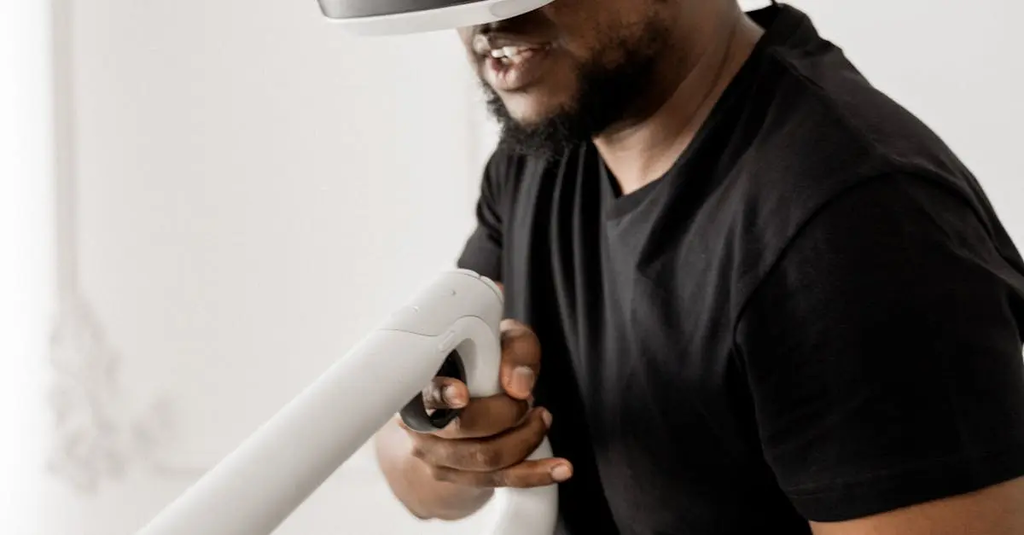
💡 Key Takeaways
- Understand how advanced AR/VR boosts team coordination with shared space, overlays, and real-time feedback.
- Design VR simulations for complex tasks and high-stress decision making.
- Use collaborative AR/VR features to improve communication and situational awareness across roles.
- Apply in-VR analytics and debriefing to drive skill transfer to the real world.
❓ Frequently Asked Questions
What is AR/VR and how do they relate to coordination and training?
AR overlays digital content onto the real world, while VR creates a fully immersive, computer-generated environment. In training and coordination, they simulate tasks, rehearse procedures, and enable safe, repeatable practice with teammates.
How does AR/VR improve coordination for teams during training?
They provide shared situational awareness through real-time overlays and synchronized scenarios, enable remote expert guidance, and standardize workflows with repeatable simulations.
What are common use cases for AR/VR in coordination and training?
Emergency drills, equipment maintenance and assembly, hazardous-environment training, aviation and medical simulations, and remote collaboration for distributed teams.
What should be considered when designing AR/VR training programs?
Define clear learning goals, balance realism with safety and comfort, ensure usability and accessibility, account for hardware needs, protect data privacy, measure outcomes, and include thorough debriefs after sessions.