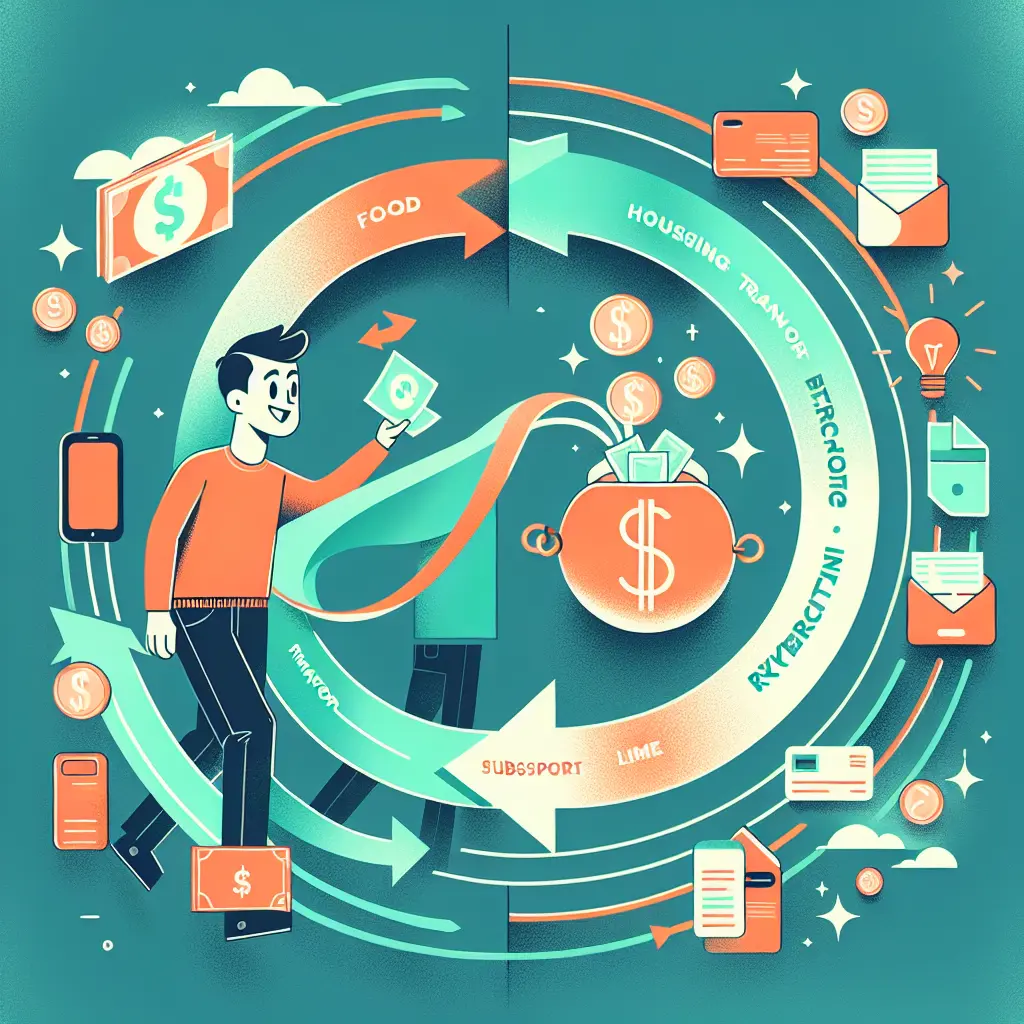
Advanced budgeting incorporates innovative methods like the reverse and 80/20 approaches. The reverse budgeting method prioritizes saving and investing first, allocating funds for these goals before covering expenses. The 80/20 approach simplifies budgeting by automatically saving or investing 20% of income, while the remaining 80% covers all other needs and wants. Both strategies promote disciplined financial management and help individuals focus on long-term wealth building.
Advanced budgeting: reverse and 80/20 approaches
Advanced budgeting incorporates innovative methods like the reverse and 80/20 approaches. The reverse budgeting method prioritizes saving and investing first, allocating funds for these goals before covering expenses. The 80/20 approach simplifies budgeting by automatically saving or investing 20% of income, while the remaining 80% covers all other needs and wants. Both strategies promote disciplined financial management and help individuals focus on long-term wealth building.
💡 Key Takeaways
- Understand how reverse budgeting flips traditional priorities by prioritizing saving and investing before spending on expenses.
- Learn how the 80/20 rule works in budgeting by automatically directing 20% of income to savings/investments and using the remaining 80% for living costs.
- Explore practical steps to implement these methods, such as setting up automatic transfers and defining clear financial goals.
- Evaluate when each approach is most effective, including potential trade-offs and scenarios where one method may outperform the other.
❓ Frequently Asked Questions
What is reverse budgeting?
Reverse budgeting, or 'pay yourself first,' prioritizes saving and investing by setting aside a fixed portion before paying bills. After allocating savings, you budget the remaining funds for expenses.
What is the 80/20 budgeting method?
In the 80/20 method, 20% of income is automatically saved or invested, and the remaining 80% is used for living expenses and discretionary spending. Automate the transfer to savings to keep it consistent.
How do I implement reverse budgeting in practice?
Define your savings goals, set up automatic transfers to savings/investment accounts on payday, then budget the rest for essentials and variable spending. Review and adjust as needed.
What are the benefits of using these budgeting methods?
They simplify budgeting, help you build savings and investments, reduce impulse spending, and ensure long-term goals are funded without sacrificing daily needs.