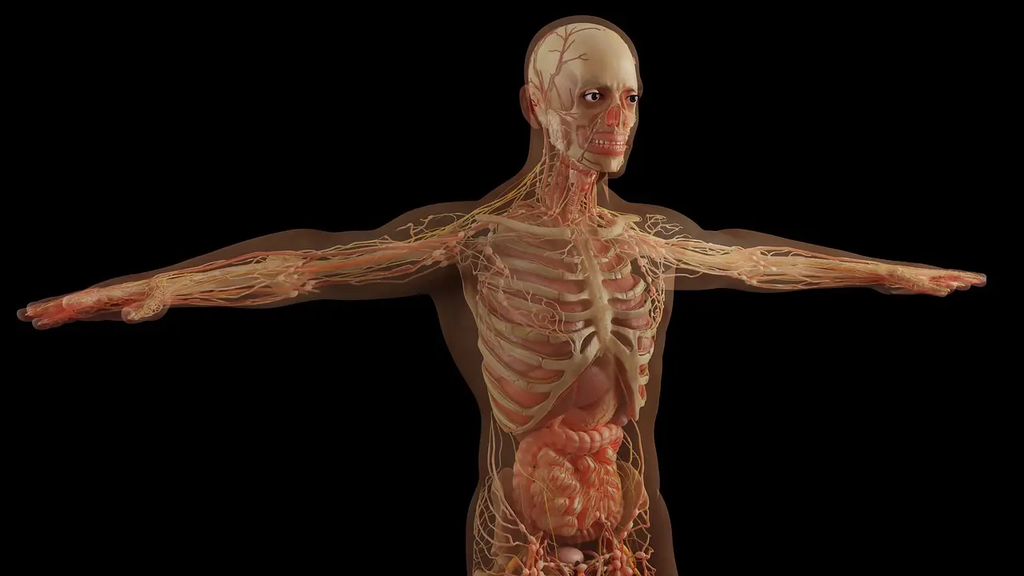
Advanced Cardiovascular Physiology (Human Body Basics) explores the complex functions of the heart and blood vessels beyond basic anatomy. It examines how the heart pumps blood, regulates pressure, and maintains oxygen delivery throughout the body. The topic covers electrical conduction, cardiac cycle, blood flow dynamics, and how hormones and nervous system signals influence cardiovascular performance, helping to understand disease mechanisms and the body’s response to physical activity or stress.
Advanced Cardiovascular Physiology
Advanced Cardiovascular Physiology (Human Body Basics) explores the complex functions of the heart and blood vessels beyond basic anatomy. It examines how the heart pumps blood, regulates pressure, and maintains oxygen delivery throughout the body. The topic covers electrical conduction, cardiac cycle, blood flow dynamics, and how hormones and nervous system signals influence cardiovascular performance, helping to understand disease mechanisms and the body’s response to physical activity or stress.
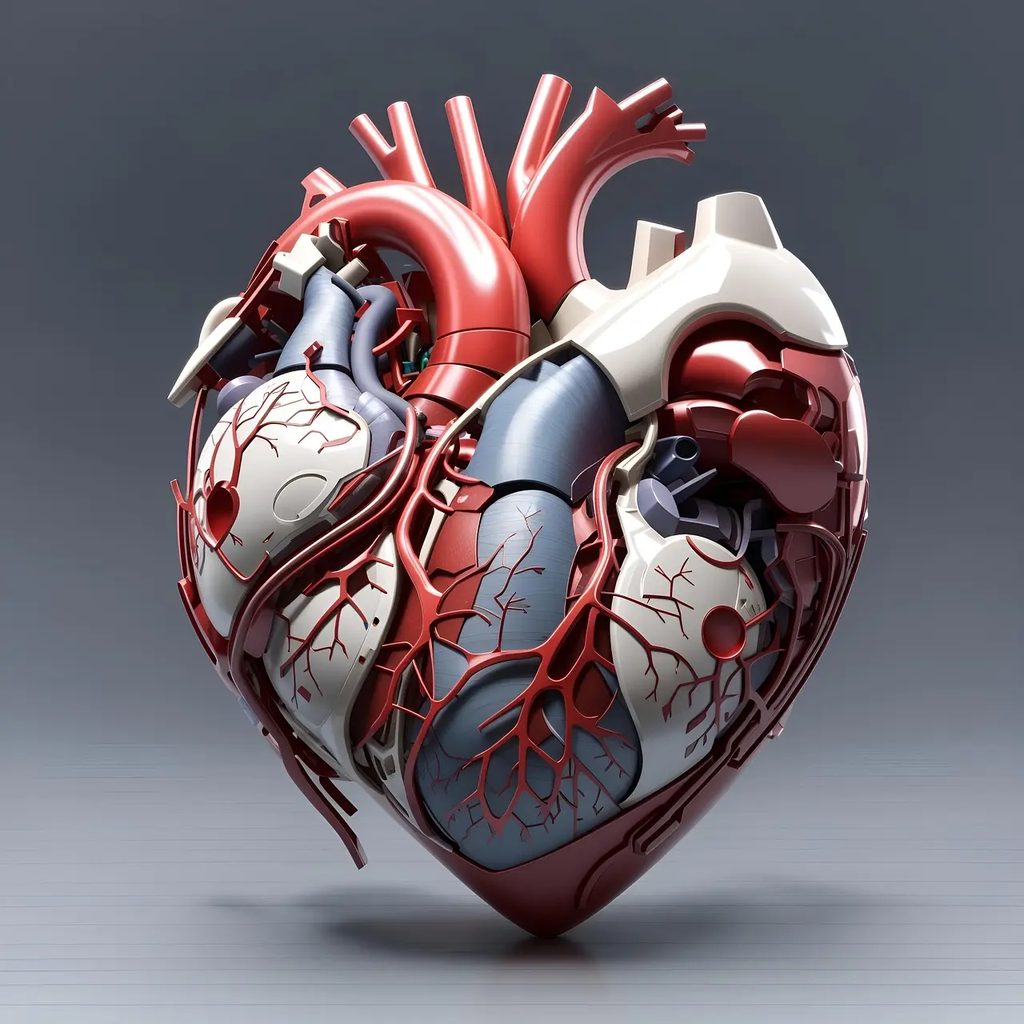
💡 Key Takeaways
- Understand how cardiac action potentials are generated and propagated, and how ion channels influence rhythm.
- Learn how cardiac output depends on heart rate and stroke volume, and how preload, afterload, and contractility influence these.
- Explore the Frank-Starling mechanism and its clinical implications for ventricular function and fluid management.
- Compare systemic and pulmonary circulation, including pressures, flows, venous return, and endothelial regulation of vascular tone.
❓ Frequently Asked Questions
What is cardiac output and why is it important?
Cardiac output is the volume of blood the heart pumps per minute. It equals heart rate × stroke volume and indicates how well tissue perfusion meets demand.
What factors determine stroke volume, and how do they interact?
Stroke volume depends on preload (ventricular filling), afterload (arterial pressure opposing ejection), and contractility (myocardial strength). Preload increases SV via the Frank-Starling mechanism; higher afterload can reduce SV; greater contractility raises SV.
How does the autonomic nervous system regulate heart rate and contractility?
Sympathetic activity increases heart rate and contractility; parasympathetic activity (via the vagus nerve) decreases heart rate. Baroreceptors adjust autonomic output to maintain blood pressure.
What is the cardiac conduction system and its role in rhythm?
The SA node sets the pace, the AV node provides a delay to allow filling, and the His-Purkinje network rapidly distributes impulses to ventricles, coordinating rhythmic contraction.