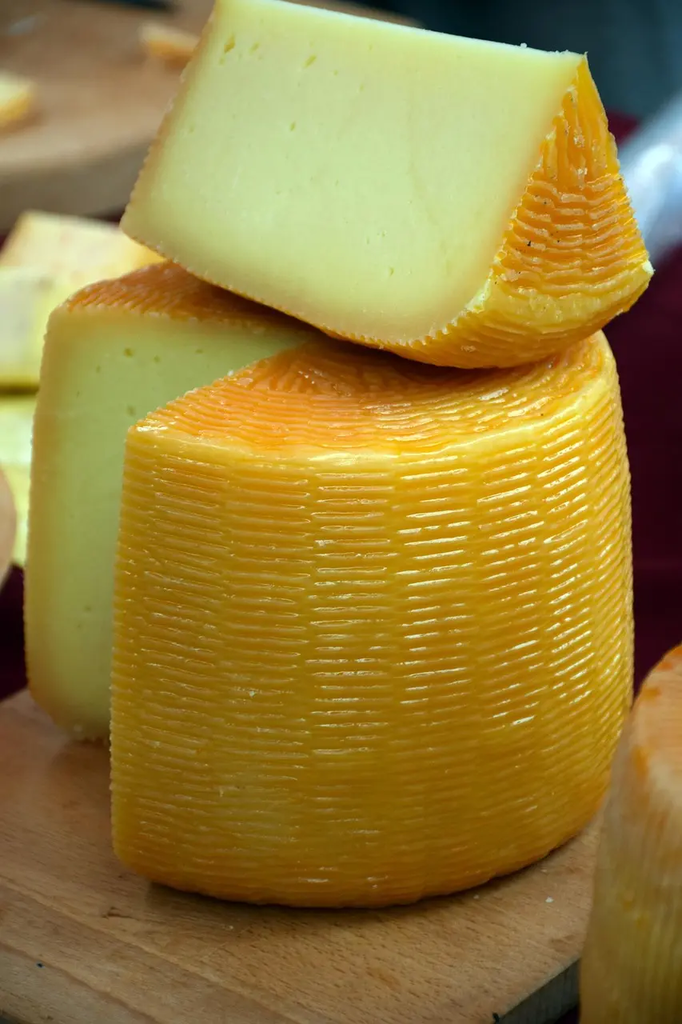
Advanced Charcuterie Techniques (Food & Global Flavors) refers to the sophisticated methods used in preparing, curing, and presenting meats, cheeses, and accompaniments, while integrating diverse international ingredients and culinary styles. This approach emphasizes creative flavor pairings, unique seasoning blends, and artistic presentation, drawing inspiration from global cuisines. It elevates traditional charcuterie boards by incorporating elements such as exotic spices, pickles, and condiments from around the world for a rich, multicultural tasting experience.
Advanced Charcuterie Techniques
Advanced Charcuterie Techniques (Food & Global Flavors) refers to the sophisticated methods used in preparing, curing, and presenting meats, cheeses, and accompaniments, while integrating diverse international ingredients and culinary styles. This approach emphasizes creative flavor pairings, unique seasoning blends, and artistic presentation, drawing inspiration from global cuisines. It elevates traditional charcuterie boards by incorporating elements such as exotic spices, pickles, and condiments from around the world for a rich, multicultural tasting experience.
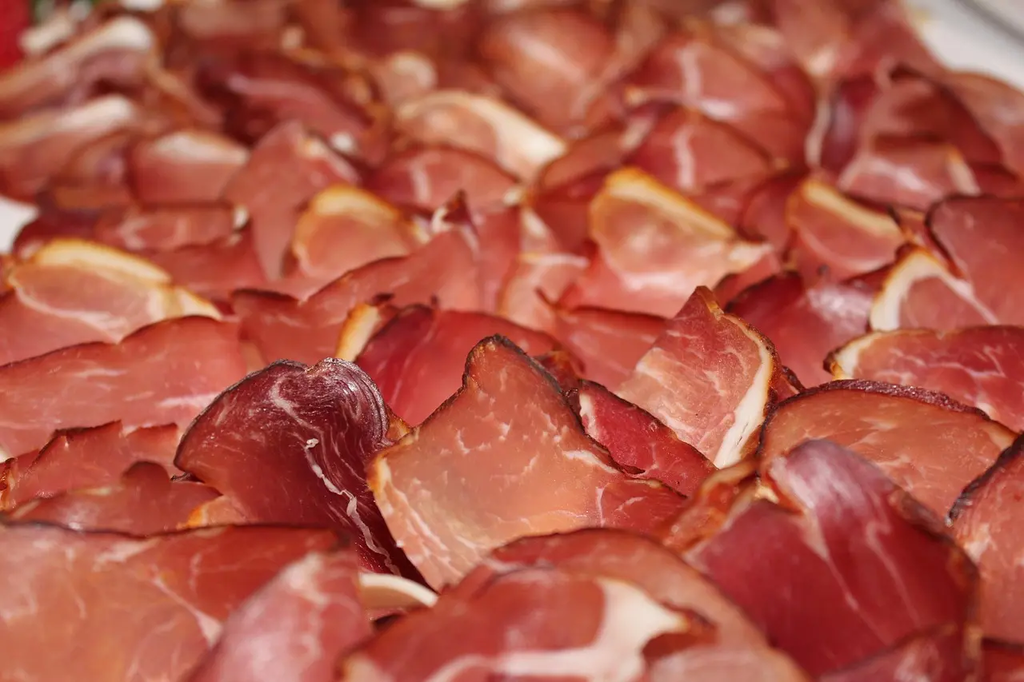
💡 Key Takeaways
- Master advanced dry-curing and salt-curing techniques, including aging conditions and quality indicators.
- Understand fermentation and pH control in cured meats to ensure safety and flavor development.
- Learn to formulate and produce sausages, pâtés, and smoke-cured products with proper texture and casing choices.
- Apply rigorous food-safety, sanitation, and storage practices for high-risk charcuterie products.
❓ Frequently Asked Questions
What does "Advanced Charcuterie Techniques" cover?
Methods beyond basic curing, such as controlled fermentation, precise drying and aging, starter cultures, and careful salt/nitrite management to shape flavor, texture, and safety.
What is dry curing?
Dry curing is applying a dry mix of salt, sugar, spices, and curing agents directly to meat to draw out moisture, preserve, and flavor it, often followed by aging.
Why is fermentation used in charcuterie?
Fermentation uses beneficial bacteria to lower pH, preserve meat, and create characteristic tang and texture.
What is the role of nitrates/nitrites in curing?
They inhibit harmful bacteria, help retain color, and contribute flavor; used in regulated amounts with safety considerations.
How are safety and quality addressed in advanced charcuterie?
By using clean equipment, controlled environmental conditions, validated recipes, and proper handling to prevent spoilage and pathogens.