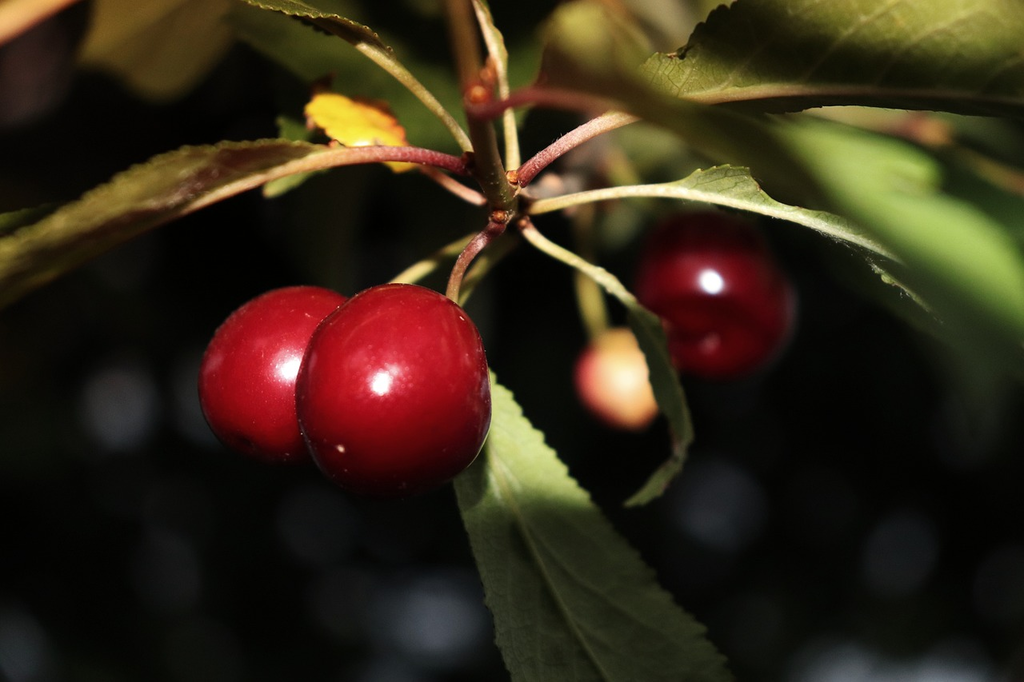
Advanced cherry breeding techniques involve modern methods such as genetic selection, molecular markers, and controlled cross-pollination to develop superior cherry varieties. These techniques aim to improve fruit quality, disease resistance, yield, and adaptability. In the context of fruit freshness, especially for oranges and cherries, these breeding methods help produce fruits with longer shelf life, enhanced flavor, and better resistance to spoilage, ensuring consumers receive fresher, higher-quality produce.
Advanced Cherry Breeding Techniques
Advanced cherry breeding techniques involve modern methods such as genetic selection, molecular markers, and controlled cross-pollination to develop superior cherry varieties. These techniques aim to improve fruit quality, disease resistance, yield, and adaptability. In the context of fruit freshness, especially for oranges and cherries, these breeding methods help produce fruits with longer shelf life, enhanced flavor, and better resistance to spoilage, ensuring consumers receive fresher, higher-quality produce.

💡 Key Takeaways
- Understand the goals of advanced cherry breeding (disease resistance, climate resilience, and fruit quality) and how they shape breeding programs.
- Learn how modern tools like marker-assisted selection (MAS) and genomic selection accelerate cherry improvement.
- Explore breeding strategies for cherries (controlled crosses, backcrossing, and recurrent selection) and propagation considerations.
- Discover how breeders evaluate traits such as sugar content, acidity, texture, color, aroma, and shelf life to select superior lines.
- Grasp how breeding programs are planned and evaluated through field trials, phenotyping pipelines, and data-driven decision making.
❓ Frequently Asked Questions
What does advanced cherry breeding involve?
It combines traditional selection with modern tools like DNA markers, tissue culture, polyploidy or haploidy techniques, and sometimes gene editing to improve traits such as disease resistance, fruit quality, yield, and stress tolerance.
How does marker-assisted selection accelerate cherry breeding?
It uses DNA markers linked to desirable traits to screen seedlings early, speeding up the identification of promising individuals without waiting for full fruiting.
What is embryo rescue and when is it used in cherry breeding?
Embryo rescue is a tissue culture method that allows embryos from crosses that would normally abort to develop, enabling difficult or interspecific crosses that broaden genetic options.
What is somatic embryogenesis and why is it useful in cherries?
Somatic embryogenesis forms embryos from non-reproductive cells in culture, enabling rapid clonal propagation of elite genotypes and easier genetic studies.