Advanced Email Automation Rules refer to sophisticated sets of instructions within email marketing or communication platforms that automatically manage, filter, and respond to emails based on specific triggers or criteria. These rules can segment recipients, personalize content, schedule follow-ups, and perform actions like tagging or forwarding. By leveraging complex conditions and workflows, organizations improve efficiency, enhance user engagement, and ensure timely, relevant communication without manual intervention.
Advanced Email Automation Rules
Advanced Email Automation Rules refer to sophisticated sets of instructions within email marketing or communication platforms that automatically manage, filter, and respond to emails based on specific triggers or criteria. These rules can segment recipients, personalize content, schedule follow-ups, and perform actions like tagging or forwarding. By leveraging complex conditions and workflows, organizations improve efficiency, enhance user engagement, and ensure timely, relevant communication without manual intervention.
💡 Key Takeaways
- Identify the core components of advanced email automation rules: triggers, conditions, and actions.
- Build rules to automatically categorize and segment recipients based on behavior and data.
- Personalize emails and schedule follow-ups to maximize relevance and timing.
- Test, monitor, and refine rules to maintain deliverability and engagement.
- Integrate automation with office and knowledge-work tools (calendars, CRMs, task managers) to streamline workflows.
❓ Frequently Asked Questions
What are advanced email automation rules?
Advanced email automation rules are rule-based workflows in email platforms that automatically manage emails using triggers, conditions, and actions to route, tailor, and follow up with recipients without manual intervention.
How do triggers and conditions work in these rules?
Triggers are events or criteria (e.g., new subscriber, email opened, link clicked, date). Conditions refine who is affected by checking tags, field values, or segments before actions run.
What is segmentation in email automation, and why is it useful?
Segmentation divides recipients into groups based on attributes or behavior so you can send targeted, relevant messages to each group.
How do personalization and scheduling of follow-ups work in advanced email automation?
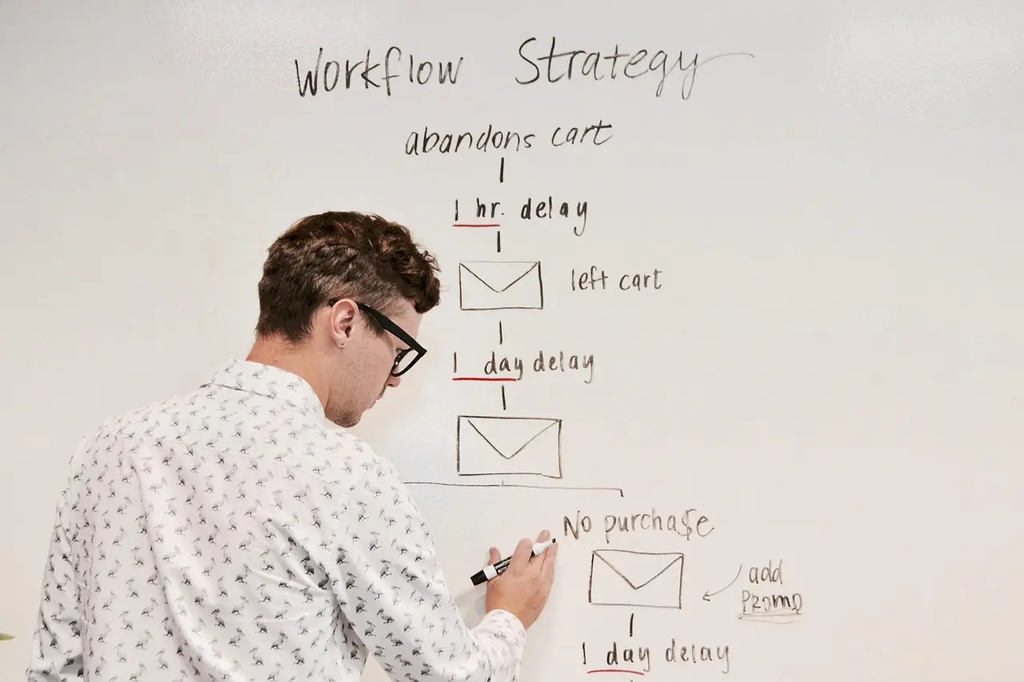
Personalization uses recipient data (name, company, past actions) to customize content; scheduling follow-ups sends messages after defined delays or on specific dates to nurture leads and improve engagement.