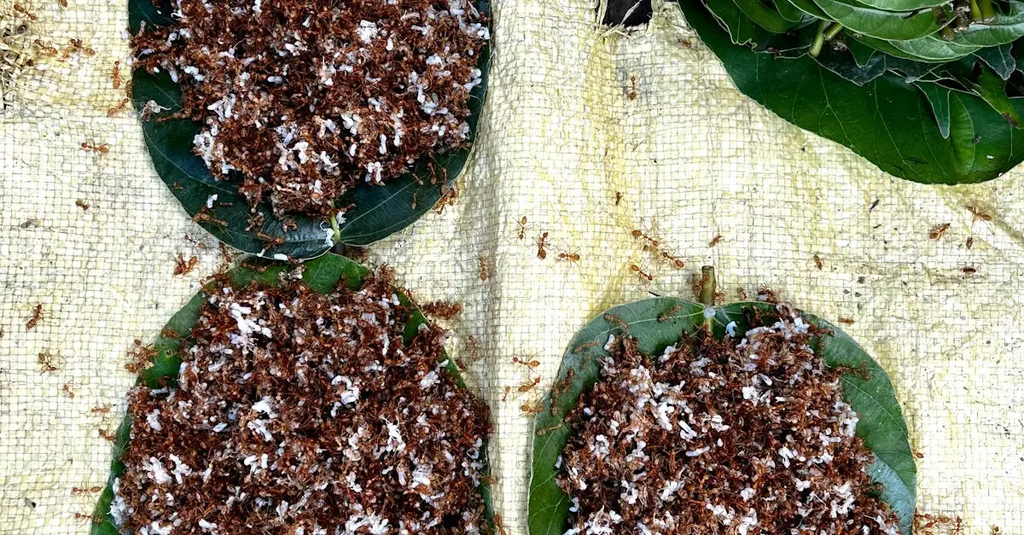
Advanced Fermentation Science (Food & Global Flavors) explores the biochemical processes and microbial techniques involved in transforming raw ingredients into diverse foods and beverages. It focuses on understanding and optimizing fermentation for enhanced flavors, textures, and nutritional value. The field integrates traditional practices with modern innovations, examining global cuisines and their unique fermented products, while addressing safety, sustainability, and sensory qualities to meet evolving consumer demands in the food industry.
Advanced Fermentation Science
Advanced Fermentation Science (Food & Global Flavors) explores the biochemical processes and microbial techniques involved in transforming raw ingredients into diverse foods and beverages. It focuses on understanding and optimizing fermentation for enhanced flavors, textures, and nutritional value. The field integrates traditional practices with modern innovations, examining global cuisines and their unique fermented products, while addressing safety, sustainability, and sensory qualities to meet evolving consumer demands in the food industry.
💡 Key Takeaways
- Identify major fermentation pathways (lactic, alcoholic, acetic) and their typical end products.
- Explain how factors like temperature, salt, pH, oxygen, and time influence fermentation outcomes.
- Recognize common starter cultures and safe fermentation practices.
- Assess how fermentation affects texture, aroma, nutrients, and shelf life of foods.
❓ Frequently Asked Questions
What is fermentation, and what does 'advanced' fermentation science study?
Fermentation is an anaerobic process that converts sugars into energy, producing byproducts like ethanol or lactic acid. Advanced fermentation science analyzes the mechanisms, kinetics, metabolism, and process engineering to optimize products, scale, and quality.
What are the main types of fermentation and their typical products?
Alcohol fermentation yields ethanol and CO2 (via yeasts); lactic acid fermentation produces lactic acid (via lactic acid bacteria); acetic acid fermentation forms acetic acid from ethanol (via acetic acid bacteria).
Which factors influence fermentation performance and safety?
Temperature, pH, sugar concentration, nutrient availability, oxygen exposure, inoculum size, and sanitation. Proper controls help prevent contamination and unsafe byproducts.
How can you optimize and control a fermentation process?
Use appropriate starter cultures; maintain target temperature and pH; provide nutrients; monitor progress (sugar, pH, temperature); ensure cleanliness to prevent contamination; adjust aeration or anaerobic conditions as needed.