Advanced First Aid Techniques (Survival Stories) refers to specialized medical skills and procedures used in emergency situations, often in challenging or remote environments. These techniques go beyond basic first aid, covering wound management, fracture stabilization, CPR, and improvised medical care. Survival stories highlight real-life scenarios where individuals used these advanced methods to save lives, demonstrating resourcefulness and resilience in critical, life-threatening situations until professional help arrived.
Advanced First Aid Techniques
Advanced First Aid Techniques (Survival Stories) refers to specialized medical skills and procedures used in emergency situations, often in challenging or remote environments. These techniques go beyond basic first aid, covering wound management, fracture stabilization, CPR, and improvised medical care. Survival stories highlight real-life scenarios where individuals used these advanced methods to save lives, demonstrating resourcefulness and resilience in critical, life-threatening situations until professional help arrived.
💡 Key Takeaways
- Identify life-threatening conditions that require immediate escalation to professional help.
- Demonstrate the basic principles of advanced bleeding control (tourniquets and hemostatic dressings) and their indications.
- Recognize airway management concepts appropriate to the casualty (head-tilt vs jaw-thrust) and when to escalate to advanced care.
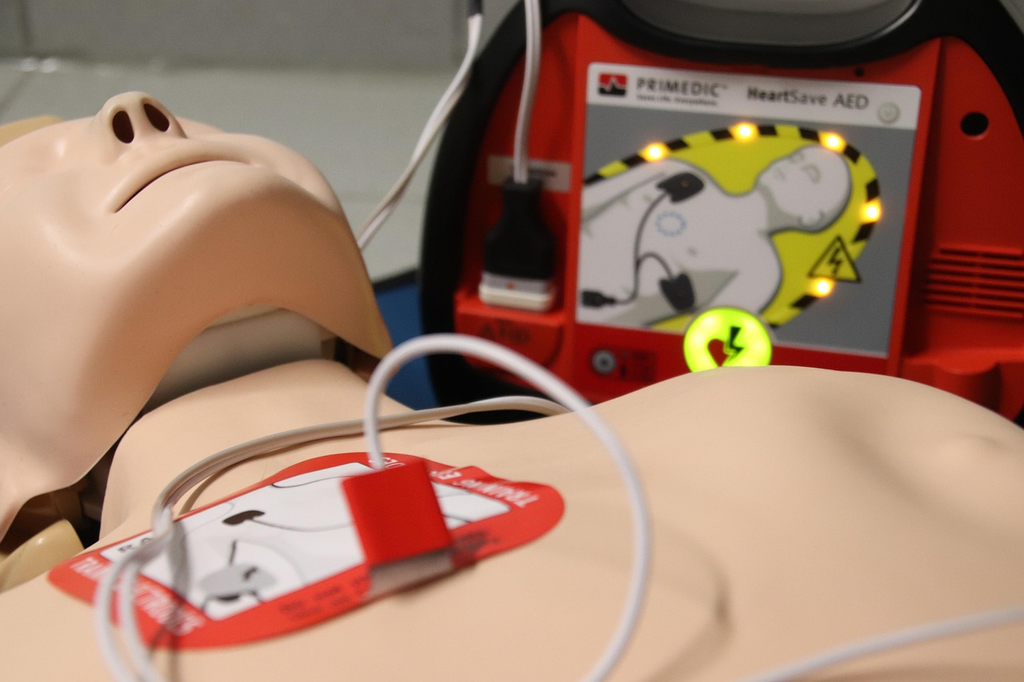
- Understand the role of CPR and AED in adults and children, including when to perform chest compressions and how to use an AED.
- Apply safe scene assessment and triage techniques to prioritize care in multiple casualty situations.
❓ Frequently Asked Questions
What are advanced first aid techniques?
Advanced first aid techniques go beyond basic care and require additional training and equipment to stabilize serious conditions, such as airway management, controlled bleeding, use of an AED, and protecting a spine or head until professionals arrive.
How do you perform CPR on an adult and when are breaths used?
If trained: perform 30 chest compressions at 100–120/min, then give 2 rescue breaths. Continue cycles until help arrives. If you’re untrained or uncomfortable with breaths, provide hands-only CPR (compressions only) until EMS takes over.
How do you use an AED during a cardiac arrest?
Turn on the AED, follow voice prompts, place pads on the bare chest as indicated, ensure no one is touching the person, let the device analyze, and deliver a shock if advised. Resume CPR immediately after the shock or if no shock is advised.
How should you manage severe bleeding before help arrives?
Apply direct pressure with clean dressing, elevate the injury if possible, and add dressings as needed to control bleeding. Do not remove soaked dressings. Seek medical help; use a tourniquet only if trained and bleeding cannot be controlled by direct pressure.