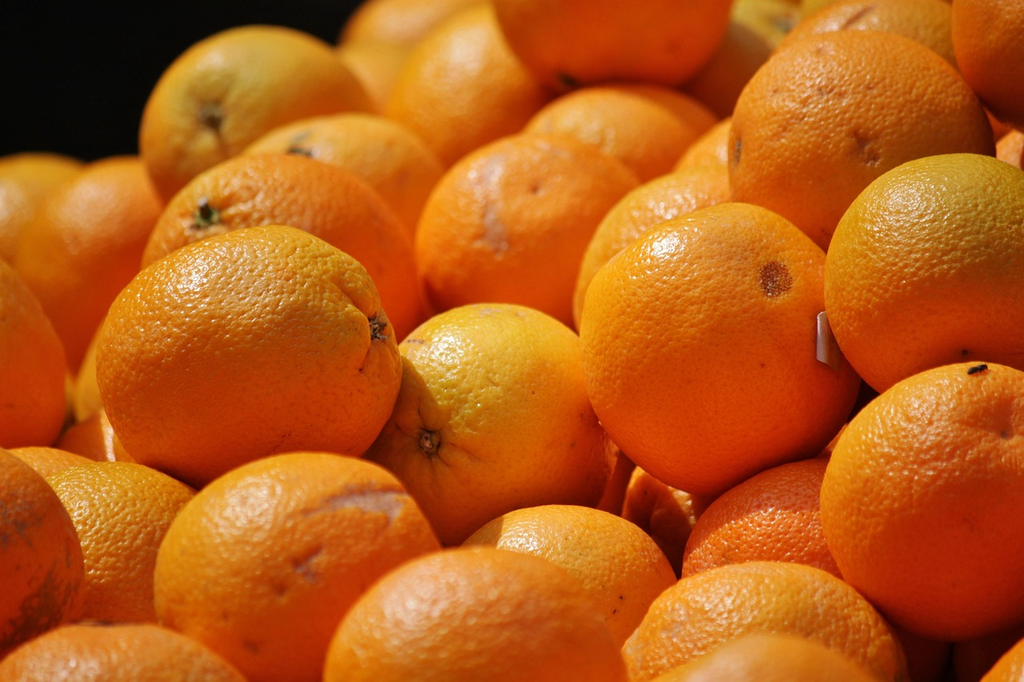
Advanced genomic studies in cherries involve analyzing the genetic makeup of cherry varieties to improve fruit quality, disease resistance, and yield. By using modern DNA sequencing and bioinformatics, researchers identify genes responsible for desirable traits, such as flavor, color, and shelf life. These insights help breeders develop superior cherry cultivars. When combined with studies in other fruits like oranges, comparative genomics can reveal shared and unique genetic factors influencing fruit freshness and overall quality.
Advanced Genomic Studies in Cherries
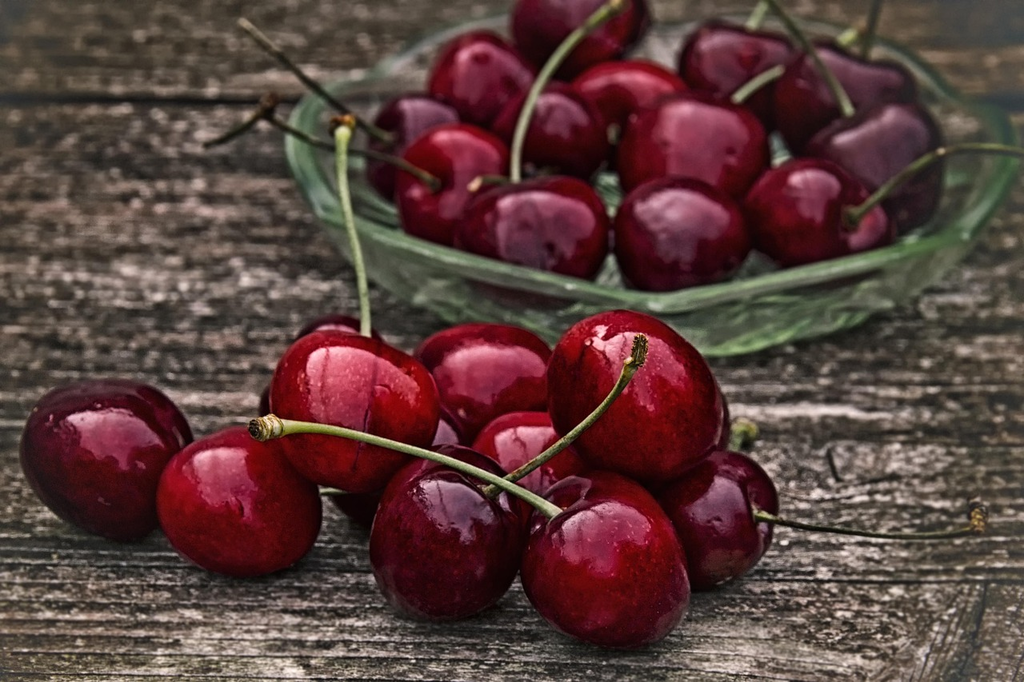
Advanced genomic studies in cherries involve analyzing the genetic makeup of cherry varieties to improve fruit quality, disease resistance, and yield. By using modern DNA sequencing and bioinformatics, researchers identify genes responsible for desirable traits, such as flavor, color, and shelf life. These insights help breeders develop superior cherry cultivars. When combined with studies in other fruits like oranges, comparative genomics can reveal shared and unique genetic factors influencing fruit freshness and overall quality.
💡 Key Takeaways
- Understand the main genomic techniques used in cherry research (genome sequencing, SNP markers, GWAS, and QTL mapping).
- Learn how genomic variation links to cherry traits such as sweetness, ripening time, firmness, and disease resistance.
- Describe the typical workflow of a cherry genomics study—from sampling and DNA extraction to sequencing, data analysis, and interpretation.
- Discuss practical considerations in cherry genomics and breeding, including cultivar diversity, data sharing, and regulatory context.
❓ Frequently Asked Questions
What does advanced genomic studies on cherries involve?
It uses high-throughput DNA sequencing, gene expression profiling, and genomic analyses to identify genes and variants that influence cherry traits such as fruit size, flavor, color, and disease resistance.
What is a reference genome in cherry genomics and why is it important?
A complete, annotated DNA sequence of a cherry species that serves as a standard map for locating genes and variants across varieties.
What is genome-wide association study (GWAS) in cherry breeding?
A study that scans many cherry varieties to find genetic variants statistically linked to traits, enabling marker-assisted selection and faster breeding.
What are SNPs and QTLs in cherry genomics?
SNPs are single-nucleotide polymorphisms used as markers; QTLs are genome regions linked to variation in traits, identified through mapping or GWAS.