"Advanced Geography: Borders, Capitals, and Cultures" refers to the in-depth study of how political boundaries are drawn, the significance of capital cities, and the diverse cultural characteristics that define different regions. This field explores the historical, political, and social factors shaping national and regional borders, examines the roles and symbolism of capital cities, and analyzes how geography influences cultural identities, interactions, and development across the globe.
Advanced Geography: Borders, Capitals, and Cultures
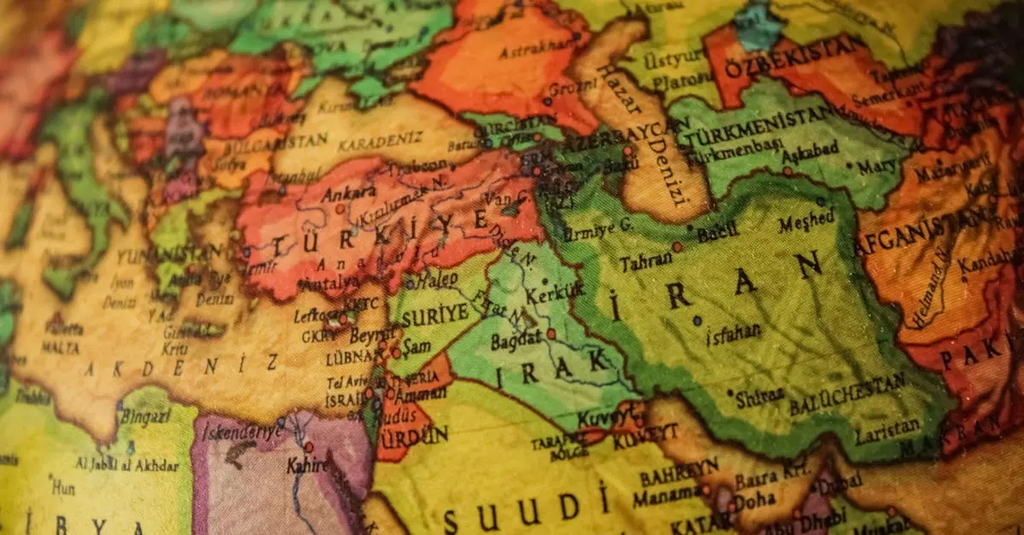
"Advanced Geography: Borders, Capitals, and Cultures" refers to the in-depth study of how political boundaries are drawn, the significance of capital cities, and the diverse cultural characteristics that define different regions. This field explores the historical, political, and social factors shaping national and regional borders, examines the roles and symbolism of capital cities, and analyzes how geography influences cultural identities, interactions, and development across the globe.
💡 Key Takeaways
- Understand how borders are drawn and why they matter in real life.
- Learn what a capital city is and why it's important for a country.
- See how borders influence culture, language, and traditions across regions.
- Discover fun, kid-friendly facts about capitals and famous border landmarks.
❓ Frequently Asked Questions
What is a border and what does it do?
A border is the line that separates places such as countries. It marks where one country ends and another begins and is defined by maps, treaties, and sometimes natural features like rivers or mountains.
What is a capital city and why is it important?
The capital is typically where a country's government sits and where important buildings and institutions are located. It often serves as the political and historical heart of the country.
What factors help shape borders?
Borders are shaped by history, treaties, wars, natural features, and cultural and political claims. They can change after negotiations or conflicts.
What does culture mean in geography, and how do borders relate to cultures?
Culture means the languages, foods, traditions, and everyday life of people in a region. Borders can reflect cultural differences, and they can also split or connect neighboring cultures.