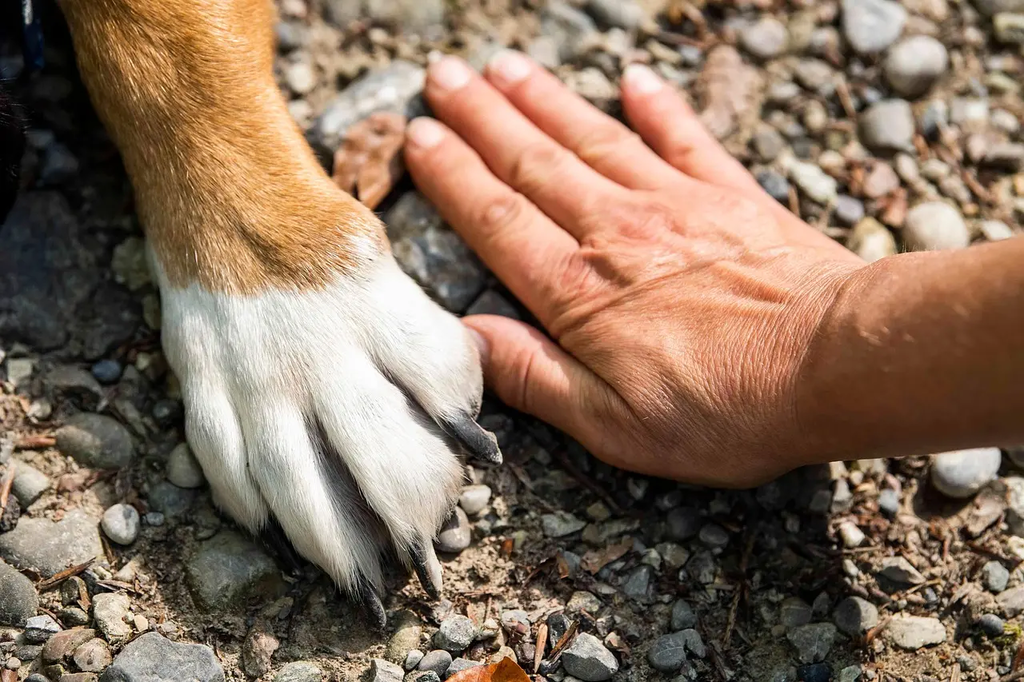
Advanced Geriatric Medicine for Pets refers to specialized veterinary care focused on the unique health needs of aging animals. This field addresses age-related conditions such as arthritis, cognitive decline, organ dysfunction, and chronic diseases. It emphasizes early detection, tailored treatment plans, pain management, and supportive therapies to enhance quality of life. Advanced geriatric care also involves nutritional guidance, regular monitoring, and client education to ensure pets remain comfortable and active in their senior years.
Advanced Geriatric Medicine for Pets
Advanced Geriatric Medicine for Pets refers to specialized veterinary care focused on the unique health needs of aging animals. This field addresses age-related conditions such as arthritis, cognitive decline, organ dysfunction, and chronic diseases. It emphasizes early detection, tailored treatment plans, pain management, and supportive therapies to enhance quality of life. Advanced geriatric care also involves nutritional guidance, regular monitoring, and client education to ensure pets remain comfortable and active in their senior years.
💡 Key Takeaways
- Identify common age-related conditions in pets (arthritis, cognitive decline, organ dysfunction) and when to seek veterinary care.
- Describe early-detection methods and screening strategies used in geriatric veterinary medicine.
- Explain how treatment plans are tailored for aging pets, including pain management, nutrition, and lifestyle adjustments for chronic diseases.
- Assess quality of life, monitor progression, and communicate openly with owners about care goals and decision points.
❓ Frequently Asked Questions
What is advanced geriatric medicine for pets?
A veterinary field focused on the health needs of aging animals, emphasizing early detection, proactive screening, and tailored treatment plans to manage age-related changes.
When is a pet considered geriatric?
Timing varies by species and size: dogs are often labeled senior around 7–10 years, cats around 10–14 years; larger breeds may age earlier. Regular vet checkups help determine each pet's stage.
What are common age-related conditions in aging pets?
Arthritis and mobility issues; cognitive decline; organ dysfunction (kidneys, liver); chronic diseases such as diabetes or thyroid disorders; dental problems and vision/hearing changes.
How is care tailored for aging pets?
Through regular screenings (blood work, urine tests, imaging), personalized treatment plans considering other conditions, gradual dosing to reduce side effects, and lifestyle changes in nutrition and activity.