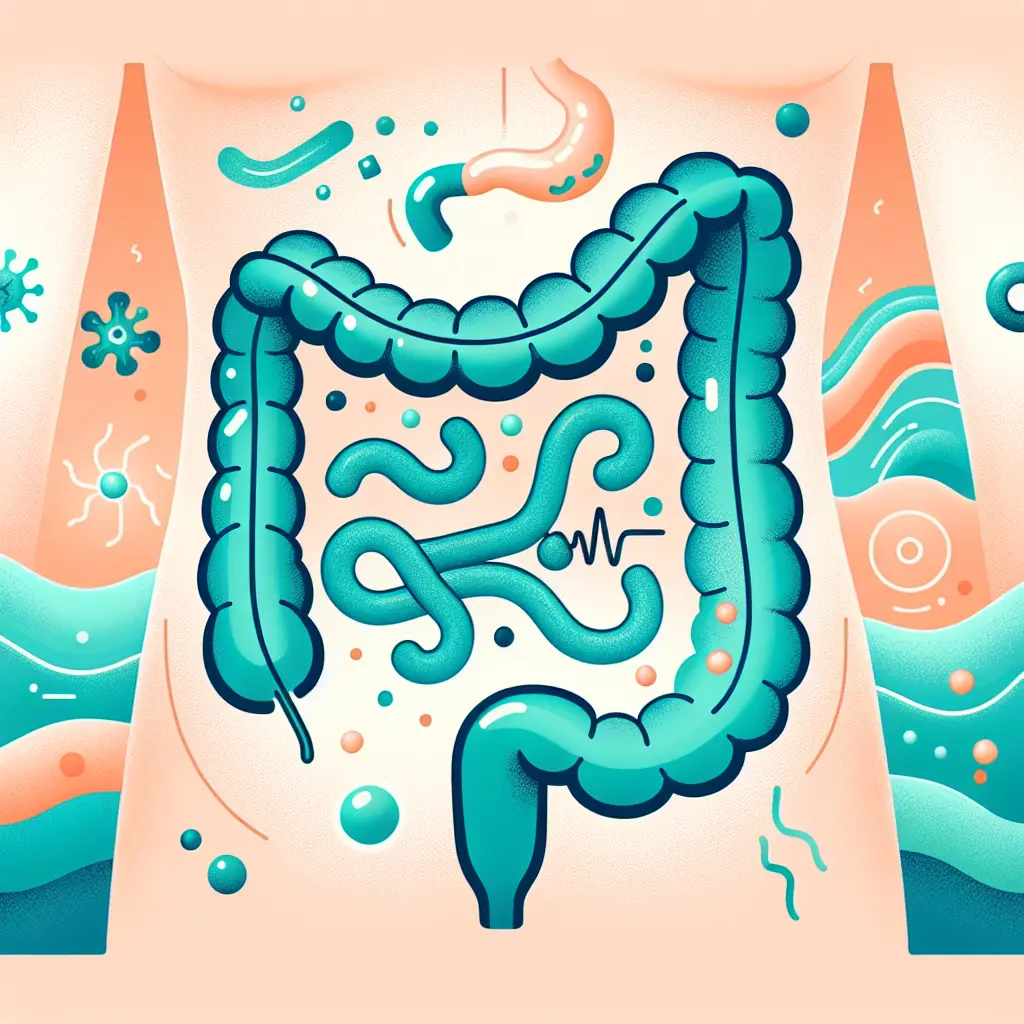
Advanced GI disorders such as Small Intestinal Bacterial Overgrowth (SIBO) and refractory Irritable Bowel Syndrome (IBS) involve complex disruptions in digestive tract function. SIBO is characterized by excessive bacteria in the small intestine, leading to symptoms like bloating and diarrhea. Refractory IBS refers to persistent IBS symptoms that do not respond to standard treatments, often requiring specialized diagnostic and therapeutic approaches to manage ongoing abdominal discomfort and altered bowel habits.
Advanced GI Disorders: SIBO & Refractory IBS
Advanced GI disorders such as Small Intestinal Bacterial Overgrowth (SIBO) and refractory Irritable Bowel Syndrome (IBS) involve complex disruptions in digestive tract function. SIBO is characterized by excessive bacteria in the small intestine, leading to symptoms like bloating and diarrhea. Refractory IBS refers to persistent IBS symptoms that do not respond to standard treatments, often requiring specialized diagnostic and therapeutic approaches to manage ongoing abdominal discomfort and altered bowel habits.
💡 Key Takeaways
- Define SIBO and explain how excessive small-intestine bacteria can cause bloating, gas, diarrhea, and malabsorption.
- Distinguish refractory IBS from standard IBS and identify when symptoms persist despite typical therapies.
- Overview common diet-based approaches for SIBO and refractory IBS (e.g., low-FODMAP, elemental diet, and meal timing) and how to apply them safely.
- Understand the role of diagnosis, testing, and clinician-guided treatment planning in managing advanced GI disorders.
❓ Frequently Asked Questions
What is SIBO (Small Intestinal Bacterial Overgrowth)?
SIBO is a condition where excessive bacteria grow in the small intestine, which can disrupt digestion and absorption and cause symptoms such as bloating, gas, abdominal pain, and diarrhea.
What symptoms do SIBO and IBS share?
Both can cause bloating, abdominal pain, gas, and changes in bowel habits (diarrhea or constipation). SIBO can worsen IBS-like symptoms and overall GI discomfort.
How is SIBO diagnosed?
Breath tests that measure hydrogen (and sometimes methane) after a sugar drink (glucose or lactulose) are common. In some cases, a small-intestine aspirate culture is used. Tests have limitations and should be interpreted by a clinician.
What does ‘refractory IBS’ mean?
Refractory IBS refers to IBS symptoms that persist despite standard treatments, and may warrant further evaluation for underlying factors such as SIBO or other conditions.
How can diet help manage SIBO and refractory IBS?
Dietary changes (e.g., low-FODMAP; sometimes elemental diets) can reduce symptoms for many people. These should be guided by a healthcare professional, with gradual reintroduction of foods.