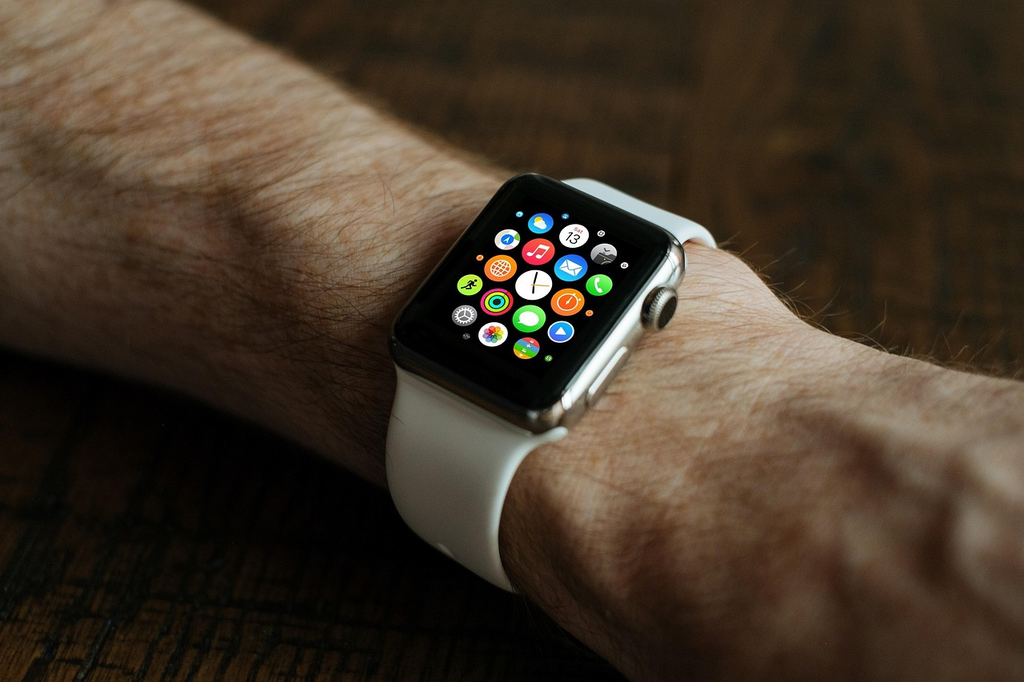
Advanced Health Monitoring Systems refer to cutting-edge technologies, such as mobile apps and wearable gadgets, designed to continuously track and analyze health data. These systems monitor vital signs, activity levels, sleep patterns, and more, providing real-time insights to users and healthcare professionals. Popular examples include fitness trackers, smartwatches, and health apps that promote proactive wellness management, encourage healthy behaviors, and support early disease detection by integrating seamlessly into everyday routines.
Advanced Health Monitoring Systems
Advanced Health Monitoring Systems refer to cutting-edge technologies, such as mobile apps and wearable gadgets, designed to continuously track and analyze health data. These systems monitor vital signs, activity levels, sleep patterns, and more, providing real-time insights to users and healthcare professionals. Popular examples include fitness trackers, smartwatches, and health apps that promote proactive wellness management, encourage healthy behaviors, and support early disease detection by integrating seamlessly into everyday routines.

💡 Key Takeaways
- Identify how advanced health monitoring systems use apps and wearable gadgets to track vital signs and daily activity
- Recognize what key metrics (sleep patterns, activity levels, heart rate, and more) can reveal about overall health
- Learn how real-time insights from continuous data monitoring can support better routine decisions
- Understand the role of analytics in turning raw health data into actionable trends for users and (when applicable) healthcare providers
❓ Frequently Asked Questions
What are Advanced Health Monitoring Systems?
They are smart technologies—like mobile apps and wearables—that continuously track and analyze health data to provide real-time insights.
What health metrics do these systems typically monitor?
Common metrics include vital signs (such as heart rate), activity levels, sleep patterns, and sometimes stress or blood oxygen.
How do wearable gadgets collect health data?
They use sensors such as optical heart-rate sensors, motion trackers (accelerometers), and temperature or oxygen sensors to capture signals throughout the day.
How can health monitoring apps help users improve wellbeing?
Apps often visualize trends over time, set goals, alert users to changes, and recommend actions based on the tracked data.
Are these systems meant to replace doctors?
No—most are supportive tools for monitoring and awareness. They can help detect changes, but they shouldn’t replace professional medical advice.