Advanced herpetoculture and breeding refers to the specialized care, management, and reproduction of reptiles and amphibians in captivity. This discipline involves creating optimal habitats, understanding species-specific needs, and applying scientific breeding techniques to ensure healthy offspring. It often includes genetic selection, incubation of eggs, disease prevention, and record-keeping. Advanced practitioners aim to improve animal welfare, conserve rare species, and expand knowledge of herpetological biology through responsible breeding practices.
Advanced Herpetoculture and Breeding
Advanced herpetoculture and breeding refers to the specialized care, management, and reproduction of reptiles and amphibians in captivity. This discipline involves creating optimal habitats, understanding species-specific needs, and applying scientific breeding techniques to ensure healthy offspring. It often includes genetic selection, incubation of eggs, disease prevention, and record-keeping. Advanced practitioners aim to improve animal welfare, conserve rare species, and expand knowledge of herpetological biology through responsible breeding practices.
💡 Key Takeaways
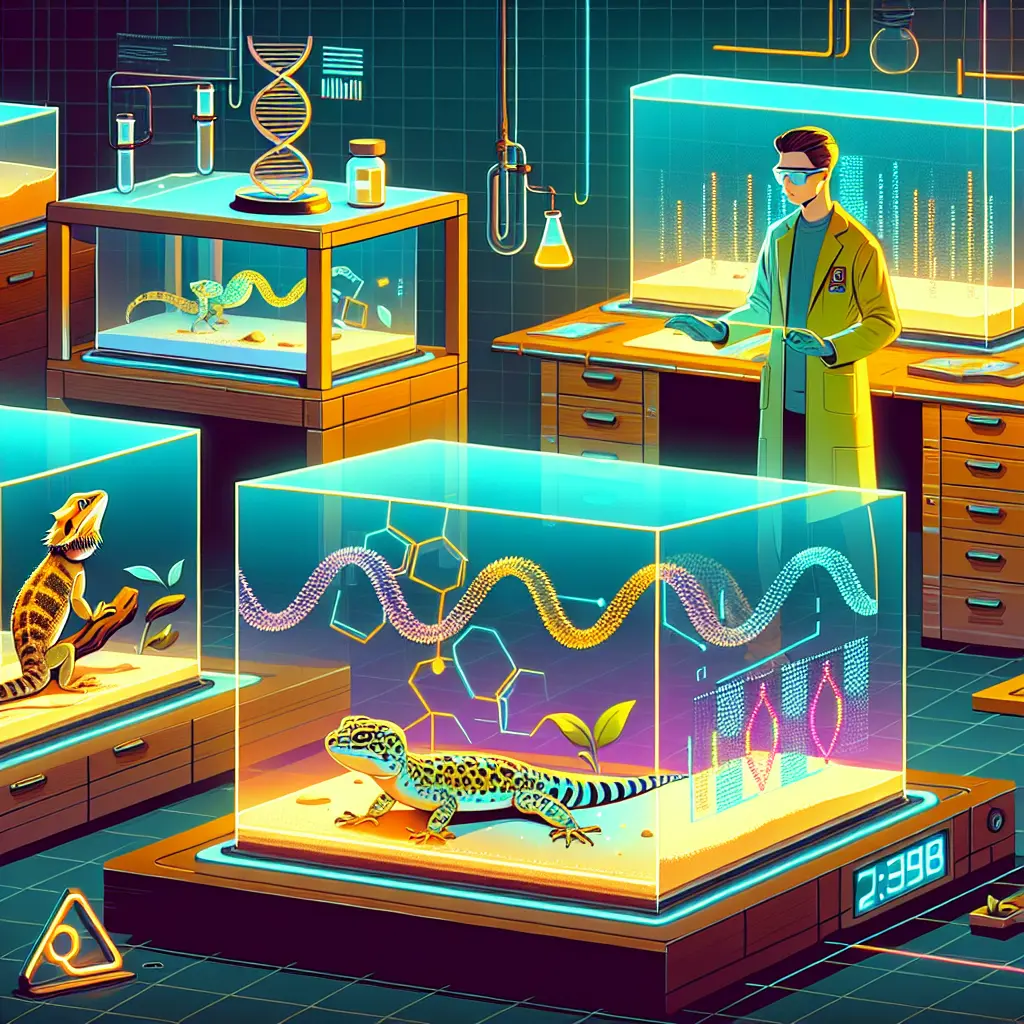
- Design and optimize captive habitats for reptiles and amphibians, focusing on enclosure setup, microclimates, and enrichment.
- Interpret species-specific needs—temperature, humidity, lighting, diet, and handling—to improve welfare.
- Apply scientific breeding principles to produce healthy offspring, including healthy pairing, genetic diversity, health screening, and meticulous record-keeping.
- Monitor reproductive health and offspring development, recognize signs of stress or illness, and implement ethical breeding practices.
❓ Frequently Asked Questions
What is advanced herpetoculture?
Advanced herpetoculture is the science-based practice of keeping and breeding reptiles and amphibians in captivity, focusing on species-specific needs, controlled environments, and responsible reproduction techniques.
What factors define an optimal captive habitat for reptiles and amphibians?
Key factors include stable temperature gradients, appropriate humidity, proper lighting (including UVB for many species), adequate space, secure enclosures, suitable substrate, and enrichment that encourages natural behaviors.
Why is species-specific care essential in breeding programs?
Different species have unique temperature, humidity, diet, basking needs, and incubation requirements. Tailoring care reduces stress and improves breeding success.
What practices promote healthy offspring in captive breeding?
Genetic diversity, proper quarantine of new or returning animals, health screenings for parasites and disease, balanced nutrition, and careful mating plans to avoid inbreeding.
What ethical and legal considerations should be observed in advanced herpetoculture?
Follow animal welfare standards, obtain necessary permits, comply with wildlife and trade laws, and prioritize welfare and conservation goals.