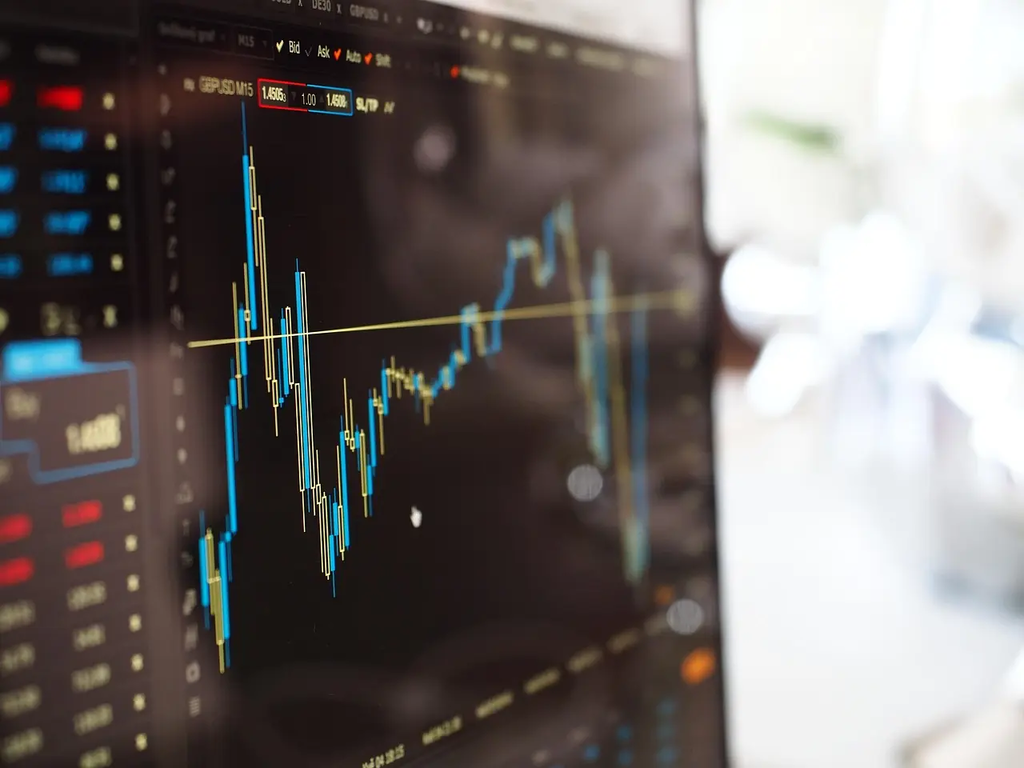
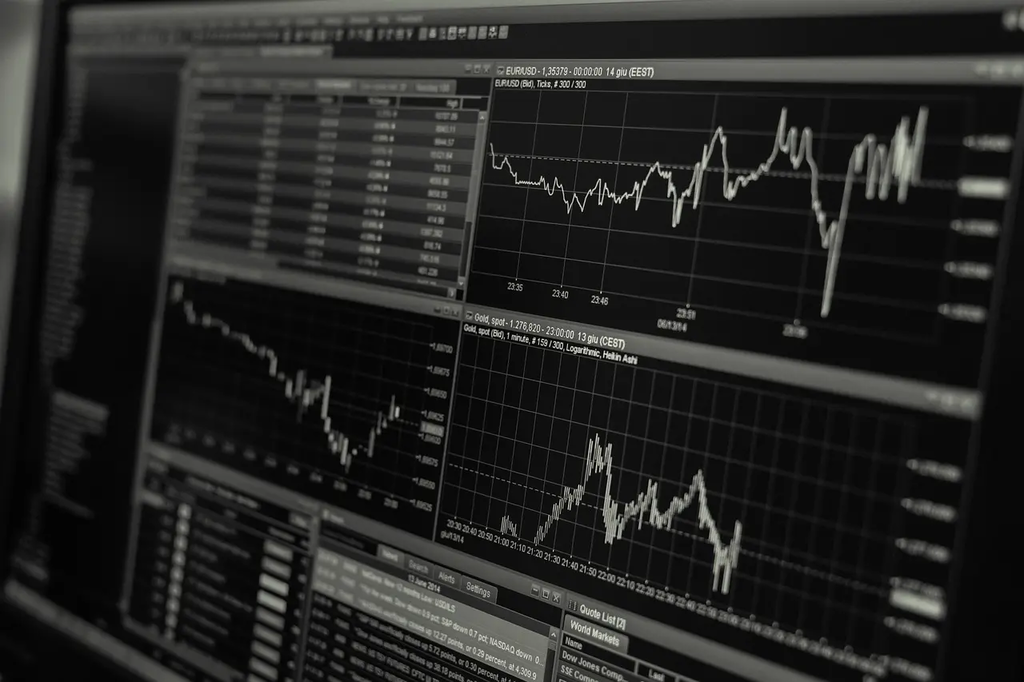
Advanced High-Frequency Trading Techniques in US stock markets involve using sophisticated algorithms, low-latency data feeds, and direct market access to execute large numbers of trades within microseconds. These strategies exploit small price inefficiencies, leverage statistical arbitrage, and incorporate machine learning for predictive modeling. Successful implementation requires robust technological infrastructure, real-time risk management, and compliance with regulatory frameworks, aiming to maximize profits while minimizing market impact and exposure to volatility.
Advanced High-Frequency Trading Techniques
Advanced High-Frequency Trading Techniques in US stock markets involve using sophisticated algorithms, low-latency data feeds, and direct market access to execute large numbers of trades within microseconds. These strategies exploit small price inefficiencies, leverage statistical arbitrage, and incorporate machine learning for predictive modeling. Successful implementation requires robust technological infrastructure, real-time risk management, and compliance with regulatory frameworks, aiming to maximize profits while minimizing market impact and exposure to volatility.
💡 Key Takeaways
- Understand what high-frequency trading is and why speed, data, and execution matter.
- Identify common HFT strategies (market making, statistical arbitrage, and latency-based arbitrage) and their goals.
- Learn how technology choices—low-latency networks, co-location, and advanced order types—affect trade timing and outcomes.
- Recognize risk management, regulatory, and market-impact considerations specific to advanced HFT.
❓ Frequently Asked Questions
What is high-frequency trading (HFT)?
A form of algorithmic trading that uses ultrafast data feeds and automated decision-making to execute many orders in fractions of a second, aiming to profit from small price moves and liquidity provision.
What is latency arbitrage in HFT?
A technique that tries to profit from tiny timing differences between data feeds or venues, allowing a trader to trade ahead of others as information arrives at different speeds.
What is market making in HFT?
Providing continuous bid and ask quotes to supply liquidity, with profits coming from the bid-ask spread; risks include adverse price moves and inventory management.
What is co-location and why is it used in HFT?
Staying physically close to an exchange's matching engine and using fast network connections to reduce latency, enabling quicker order submission and reaction to market data.
What are common regulatory and risk considerations in HFT?
Regulators monitor for manipulative practices and market integrity; firms implement risk controls, surveillance, and compliance measures; certain practices like spoofing are illegal.