Advanced Immunological Research explores the complex mechanisms by which the human body defends itself against diseases. It delves into the roles of immune cells, antibodies, and signaling pathways that identify and neutralize harmful pathogens. This field also investigates how the immune system distinguishes between self and non-self, the development of vaccines, and therapies for autoimmune disorders, allergies, and immunodeficiencies, ultimately enhancing our understanding of human health and disease prevention.
Advanced Immunological Research
Advanced Immunological Research explores the complex mechanisms by which the human body defends itself against diseases. It delves into the roles of immune cells, antibodies, and signaling pathways that identify and neutralize harmful pathogens. This field also investigates how the immune system distinguishes between self and non-self, the development of vaccines, and therapies for autoimmune disorders, allergies, and immunodeficiencies, ultimately enhancing our understanding of human health and disease prevention.
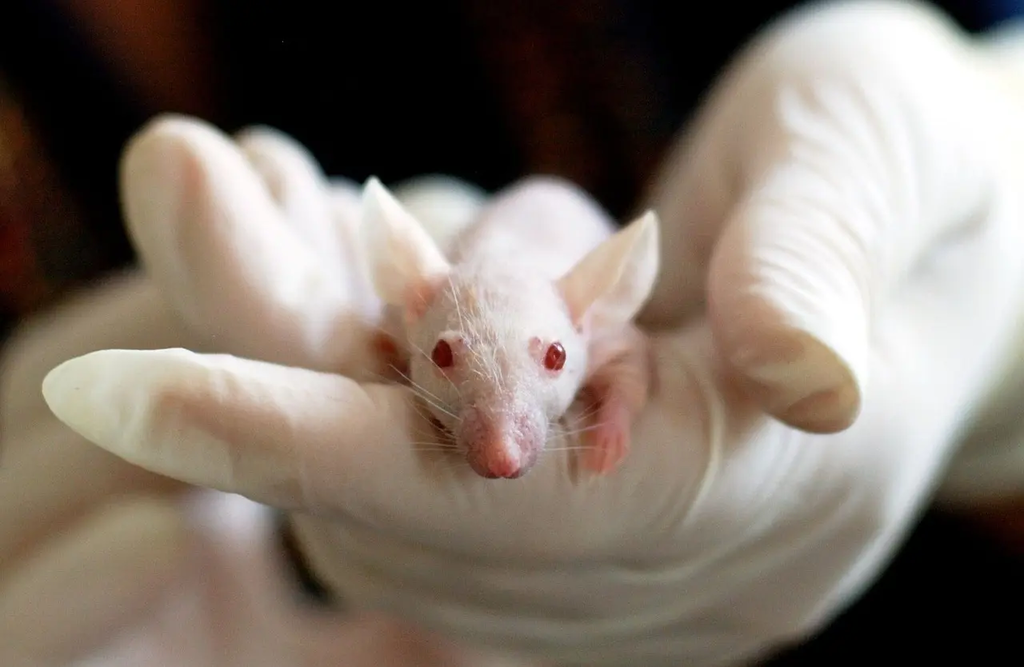
💡 Key Takeaways
- Grasp advanced study design and controls used in immunology research
- Identify core immunology techniques (flow cytometry, ELISA, multiplex assays, sequencing) and their applications
- Interpret immunology data, including basic statistics and common pitfalls in data analysis
- Understand ethical, biosafety, and reproducibility considerations in advanced immunological research
❓ Frequently Asked Questions
What is immunology?
Immunology is the study of the immune system, including its cells, tissues, and molecules, and how they protect the body from pathogens, how immunity develops, and how immune responses are regulated.
What is the difference between innate and adaptive immunity?
Innate immunity provides immediate, non-specific defense with barriers, phagocytes, and complement; adaptive immunity is specific and delayed, involving B and T cells and immunological memory.
What are common research methods used in advanced immunology?
Techniques include flow cytometry for cell profiling, ELISA for measuring cytokines, qPCR/RNA-seq for gene expression, and gene editing or animal models for functional studies.
Why are cytokines important in immune signaling?
Cytokines are signaling proteins that coordinate immune cell activity and inflammation, shaping the magnitude and type of immune responses.
What is flow cytometry and what is it used for?
A lab method that analyzes the properties of individual cells, often using fluorescent markers to identify and quantify immune cell types.