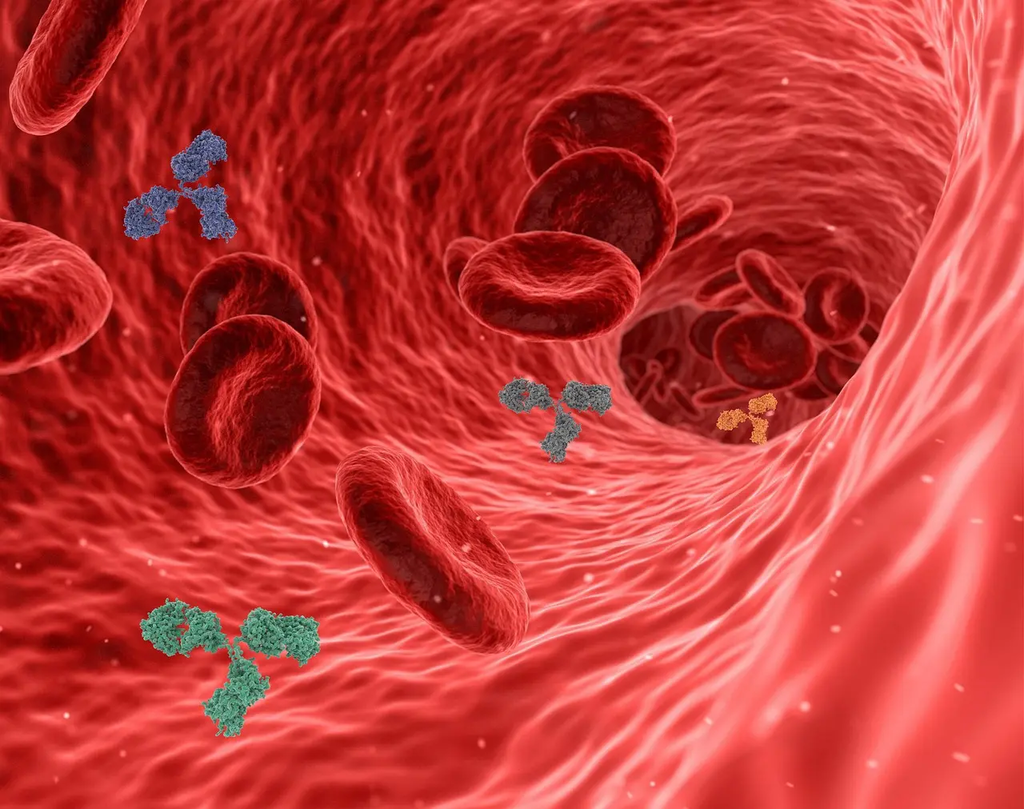
Advanced Immunology (Human Body Basics) refers to the in-depth study of the immune system, focusing on how the body detects, responds to, and remembers pathogens like bacteria and viruses. It explores the roles of specialized cells, antibodies, and signaling molecules, as well as mechanisms such as immune memory and tolerance. This field also examines autoimmune diseases, allergies, and the development of vaccines, providing a comprehensive understanding of immune defense in humans.
Advanced Immunology
Advanced Immunology (Human Body Basics) refers to the in-depth study of the immune system, focusing on how the body detects, responds to, and remembers pathogens like bacteria and viruses. It explores the roles of specialized cells, antibodies, and signaling molecules, as well as mechanisms such as immune memory and tolerance. This field also examines autoimmune diseases, allergies, and the development of vaccines, providing a comprehensive understanding of immune defense in humans.
💡 Key Takeaways
- Compare innate and adaptive immunity and explain how they coordinate to fight infections.
- Explain antigen processing and presentation via MHC I and II and how this leads to T and B cell activation.
- Describe clonal selection, differentiation of B and T cells, and the formation of immunological memory.
- Analyze key cytokine networks and regulatory pathways that shape immune responses and vaccine effectiveness.
❓ Frequently Asked Questions
What are the two main branches of the immune system and their roles?
Innate immunity provides rapid, non-specific defense; adaptive immunity offers specific, memory-based responses via B and T lymphocytes.
What is MHC and why is it essential for antigen presentation?
MHC molecules display peptide antigens to T cells; MHC I presents to CD8+ T cells (cytotoxic) and MHC II to CD4+ T cells (helper), enabling T cell activation.
What are clonal selection and affinity maturation in B and T cells?
Clonal selection expands lymphocytes whose receptors bind the antigen; B cells undergo somatic hypermutation and selection in germinal centers to increase antibody affinity.
What is immune tolerance and why is it important?
Tolerance prevents immune attack on self; central tolerance eliminates self-reactive cells during development, while peripheral tolerance uses regulatory T cells and other mechanisms to prevent autoimmunity.
What is immunological memory and how does it affect responses to re-exposure?
Memory B and T cells persist after an initial encounter and respond more quickly and robustly upon re-exposure, often reducing disease severity.