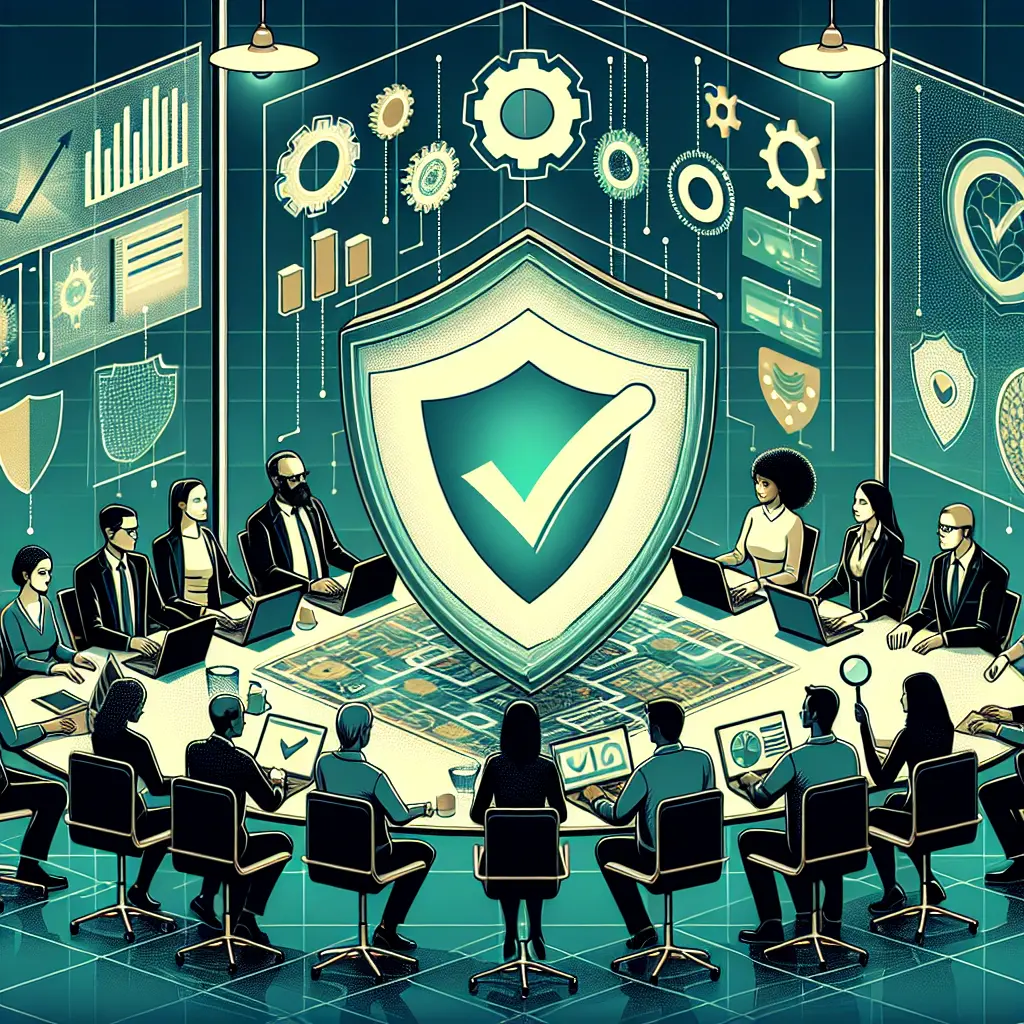
Advanced Incident Management & Postmortems refers to sophisticated processes and tools used to efficiently detect, respond to, and resolve critical system issues or outages. It emphasizes coordinated communication, rapid root cause analysis, and minimizing downtime. Postmortems are structured reviews conducted after incidents to analyze causes, document lessons learned, and implement improvements. This approach fosters a culture of continuous learning, accountability, and resilience, ultimately enhancing system reliability and organizational performance.
Advanced Incident Management & Postmortems
Advanced Incident Management & Postmortems refers to sophisticated processes and tools used to efficiently detect, respond to, and resolve critical system issues or outages. It emphasizes coordinated communication, rapid root cause analysis, and minimizing downtime. Postmortems are structured reviews conducted after incidents to analyze causes, document lessons learned, and implement improvements. This approach fosters a culture of continuous learning, accountability, and resilience, ultimately enhancing system reliability and organizational performance.

💡 Key Takeaways
- Understand advanced incident management workflows and team roles during critical outages.
- Learn to rapidly detect, triage, and orchestrate a cross-functional response to incidents.
- Master rapid root-cause analysis techniques and evidence-based decision making to identify underlying problems.
- Apply structured, blameless postmortems to capture learnings and turn them into actionable improvements.
- Implement downtime-reduction strategies through automation, runbooks, alerting discipline, and proactive problem management.
❓ Frequently Asked Questions
What is incident management?
A set of processes and tools to detect, triage, respond to, and resolve critical IT incidents quickly, aiming to minimize downtime and business impact.
What is a postmortem, and why is it used?
A structured, blameless review conducted after an incident to document what happened, identify the root cause, assess impact, and define improvements.
What techniques support rapid root cause analysis?
Methods like timeline reconstruction, 5 Whys, fault tree analysis, log correlation, and cross-team reviews to identify the underlying cause quickly.
How does coordinated communication help during incidents?
It defines roles and escalation paths, provides timely status updates, and keeps stakeholders informed to reduce confusion and speed resolution.
What tools and practices help minimize downtime?
Monitoring/alerting, incident management platforms, runbooks, automation, and effective postmortems to enable fast detection, response, and prevention.