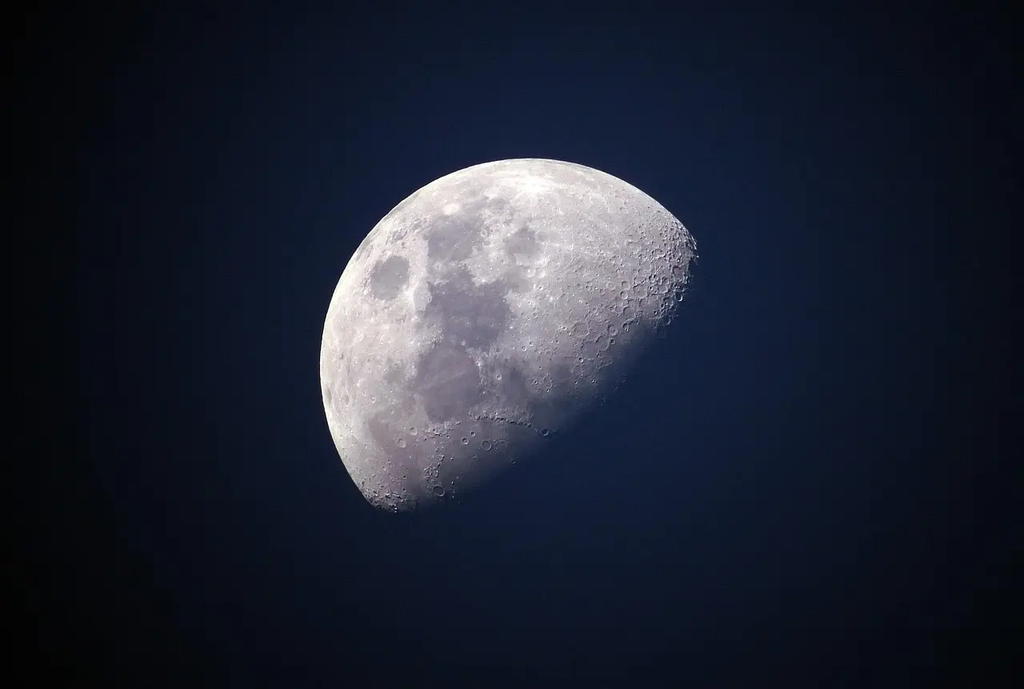
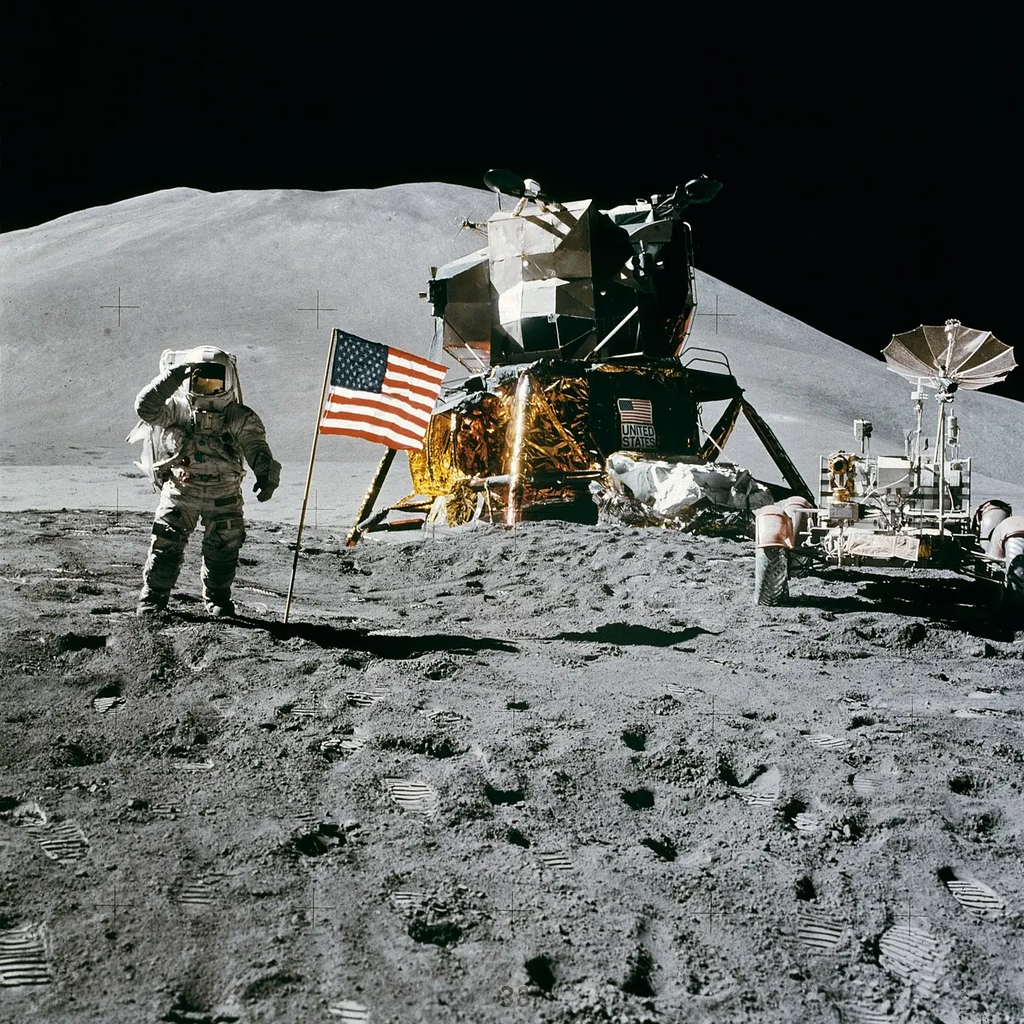
Advanced Lunar Geology is the scientific study of the Moon’s structure, composition, and geological history using sophisticated tools and techniques. It involves analyzing lunar rocks, soil, and surface features to understand processes like volcanism, impact cratering, and tectonics. Researchers use satellite imagery, remote sensing, and lunar missions to uncover how the Moon evolved, its internal layers, and its relationship to Earth and the broader solar system.
Advanced Lunar Geology
Advanced Lunar Geology is the scientific study of the Moon’s structure, composition, and geological history using sophisticated tools and techniques. It involves analyzing lunar rocks, soil, and surface features to understand processes like volcanism, impact cratering, and tectonics. Researchers use satellite imagery, remote sensing, and lunar missions to uncover how the Moon evolved, its internal layers, and its relationship to Earth and the broader solar system.
💡 Key Takeaways
- Describe the Moon’s layered interior (crust, mantle, core) and how it differs from Earth.
- Differentiate lunar rocks—mare basalts vs highland anorthosites—and what they reveal about the Moon’s formation and evolution.
- Explain impact cratering, regolith formation, and how crater dating informs surface age.
- Discuss lunar volcanism and tectonics, including mare volcanism, pyroclastic deposits, rilles, and lobate scarps.
- Interpret remote sensing and sample-return data to reconstruct the Moon’s geologic history and differentiation.
❓ Frequently Asked Questions
What is the difference between lunar highlands and maria, and what rocks are typical there?
Highlands are the Moon’s light, ancient crust rich in anorthosite; Maria are dark, smooth plains formed by basalt lava, so basalt rocks are typical in Maria.
What is lunar regolith, and how does it form?
Regolith is the Moon’s loose surface soil created by micrometeorite impacts; it contains fractured rock, glassy particles, and agglutinates, and becomes more mature with age.
What is the lunar magma ocean hypothesis?
Early Moon was largely molten; denser minerals sank to form crust (anorthosite-rich), while later volcanism produced Maria basalts; evidence comes from rock compositions and crust layering.
How do scientists study lunar geology today?
Using orbital data (topography, composition, gravity), landers/rovers, and analysis of returned samples to map rocks and crust structure.
Is there active tectonic or volcanic activity on the Moon today?
No active plate tectonics or volcanism is known; the Moon shows ancient cooling features like lobate scarps, and moonquakes are rare and small.