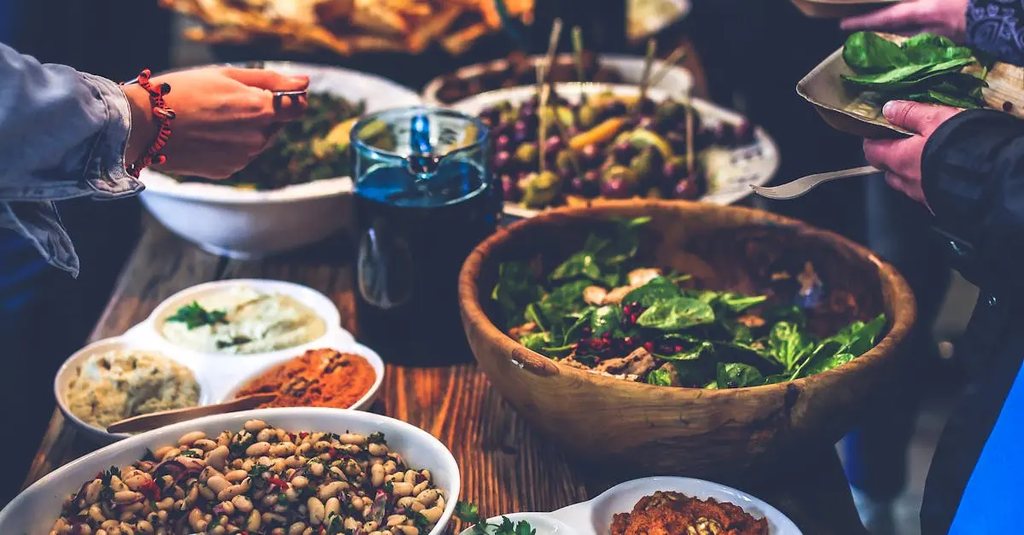
Advanced meal prep and batch cooking involve planning, preparing, and cooking meals in large quantities ahead of time to save time and effort throughout the week. This method promotes healthier eating, portion control, and cost savings. Food safety is crucial in this process, requiring proper storage, cooling, reheating, and hygiene practices to prevent foodborne illnesses and ensure that meals remain fresh and safe to consume over several days.
Advanced Meal Prep, Batch Cooking & Food Safety
Advanced meal prep and batch cooking involve planning, preparing, and cooking meals in large quantities ahead of time to save time and effort throughout the week. This method promotes healthier eating, portion control, and cost savings. Food safety is crucial in this process, requiring proper storage, cooling, reheating, and hygiene practices to prevent foodborne illnesses and ensure that meals remain fresh and safe to consume over several days.
💡 Key Takeaways
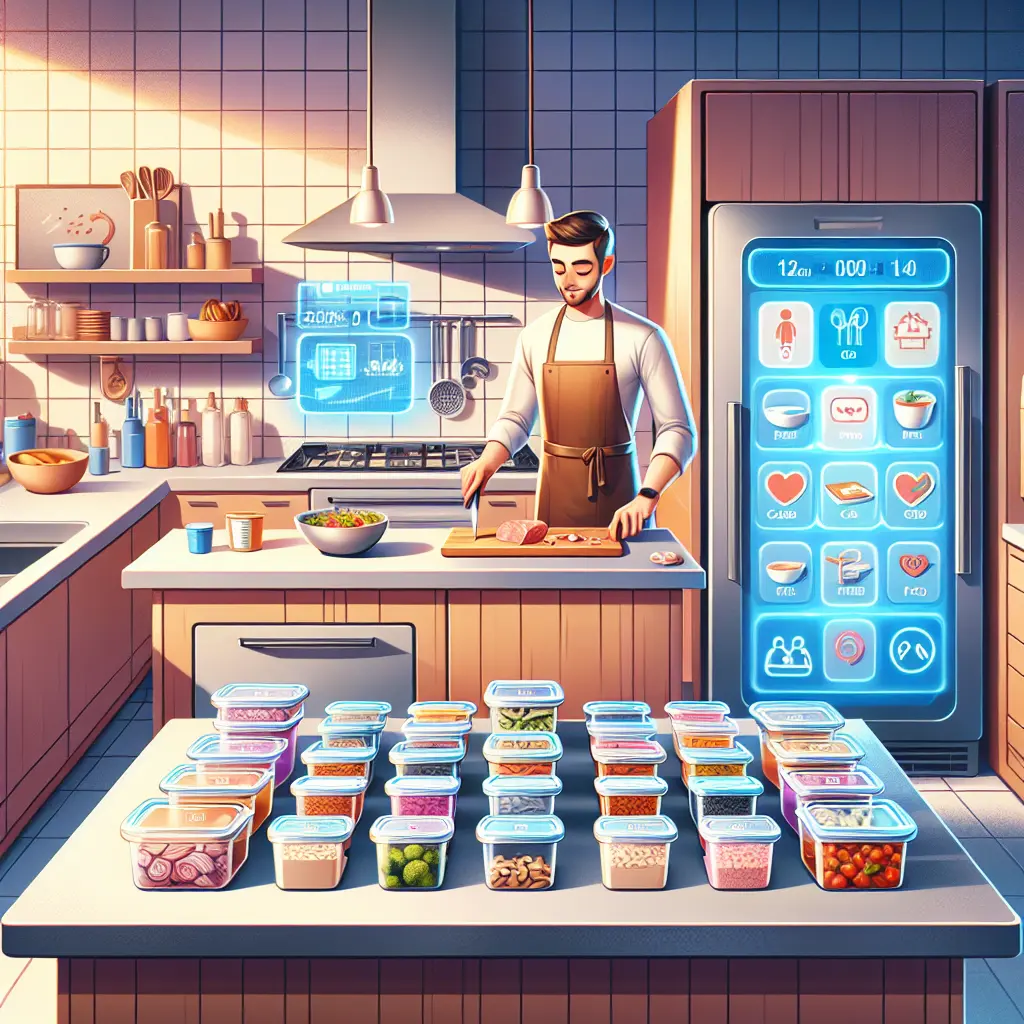
- Plan and execute advanced batch cooking to save time while supporting healthier eating and portion control.
- Apply food safety fundamentals in bulk prep: proper cleaning, avoiding cross-contamination, safe cooling, and correct reheating.
- Manage storage with proper temperatures, shallow cooling, labeling, and date rotation to keep meals fresh.
- Use portion-controlled containers and smart planning to reduce waste and save money.
- Develop a practical batch-cooking workflow with recipe selection and freezer-friendly options for ongoing meals.
❓ Frequently Asked Questions
What is advanced meal prep and batch cooking?
Advanced meal prep means planning, preparing, and cooking meals in bulk ahead of time so you have ready-to-eat options during the week. Batch cooking focuses on cooking large portions at once and portioning them for later meals. This approach saves time, supports healthier eating, and helps with budget and planning.
How does batch cooking support portion control and healthier eating?
By pre-portioning meals into single servings, you can manage portion sizes and calories more easily, reduce reliance on takeout, and ensure meals include balanced ingredients you choose.
What are essential food safety steps for batch cooking?
Wash hands and surfaces, keep raw and cooked foods separate, cool foods quickly in shallow containers, store at safe temperatures (fridge below 40°F/4°C, freezer at 0°F/−18°C), reheat to 165°F/74°C, and label with dates.
How long can batch-cooked meals be stored, and what are best practices for freezing and reheating?
Refrigerate cooked meals for 3–4 days. Freeze most meals for 2–3 months (some may last longer). Thaw in the fridge and reheat to 165°F/74°C before eating; avoid refreezing thawed leftovers.