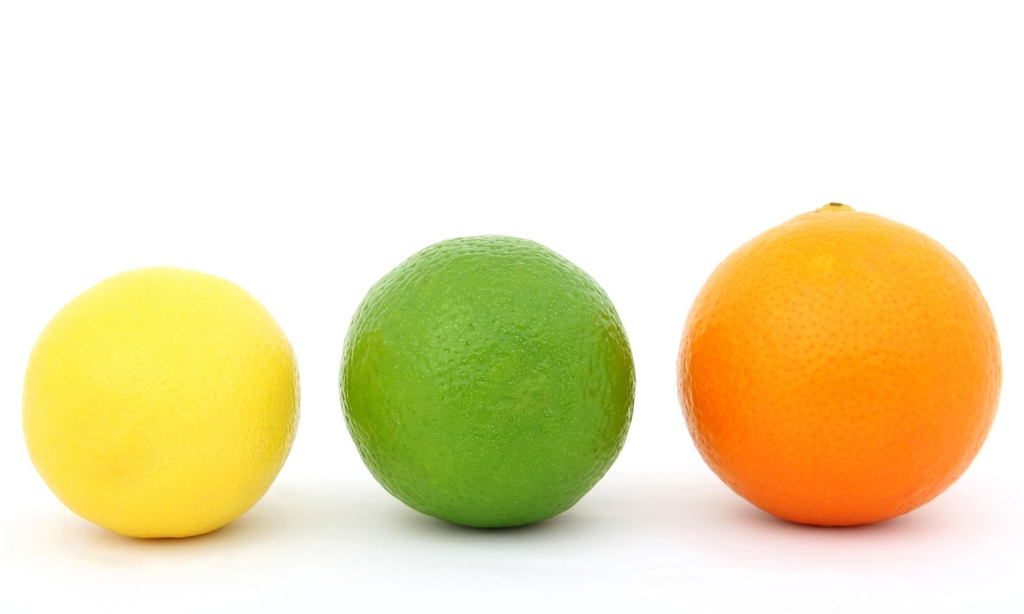
Advanced Orange Breeding Techniques involve innovative methods such as genetic selection, hybridization, and biotechnology to enhance desirable traits in oranges and cherries. These techniques aim to improve fruit quality, disease resistance, yield, and shelf life. By using molecular markers and controlled pollination, breeders can develop new varieties with better flavor, color, and nutritional value, ensuring fresher and more appealing fruit for consumers in the market.
Advanced Orange Breeding Techniques
Advanced Orange Breeding Techniques involve innovative methods such as genetic selection, hybridization, and biotechnology to enhance desirable traits in oranges and cherries. These techniques aim to improve fruit quality, disease resistance, yield, and shelf life. By using molecular markers and controlled pollination, breeders can develop new varieties with better flavor, color, and nutritional value, ensuring fresher and more appealing fruit for consumers in the market.
💡 Key Takeaways
- Grasp breeding goals for oranges (taste, juice quality, aroma, texture, seedlessness, shelf life, and disease resistance).
- Compare traditional citrus breeding methods (hybridization, clonal selection, and polyembryony) with modern approaches (marker-assisted selection, genomic selection, and introgression).
- Understand how breeders evaluate candidates through field trials and sensory/fruit quality assessments, plus assessments of disease resistance and yield.
- Recognize challenges and safeguards in advanced orange breeding (genetic diversity, regulatory considerations, biosafety, and cultivar release implications).
❓ Frequently Asked Questions
What are advanced breeding techniques used in orange breeding?
Advanced methods include marker-assisted selection (MAS), genome editing (e.g., CRISPR/Cas9), somatic hybridization, embryo rescue, and polyploid/triploid creation to improve disease resistance, fruit quality, and stress tolerance.
What is polyembryony in citrus and why does it matter for breeders?
Citrus seeds often form multiple embryos, mostly nucellar clones of the mother plant. This reduces genetic variation in seedlings, so breeders screen for zygotic (seedling-born) individuals or use techniques like embryo rescue to obtain new genetic combinations.
How does marker-assisted selection help in orange breeding?
MAS uses DNA markers linked to desirable traits to screen seedlings early, speeding up selection for sweetness, juice quality, disease resistance, and other fruit traits without waiting for trees to fruit.
What is genome editing and how is it used in citrus breeding?
Genome editing (e.g., CRISPR) makes precise changes to citrus genes to enhance traits like disease resistance or fruit quality. Practical use involves regulatory considerations and technical challenges, but it offers direct trait introduction.