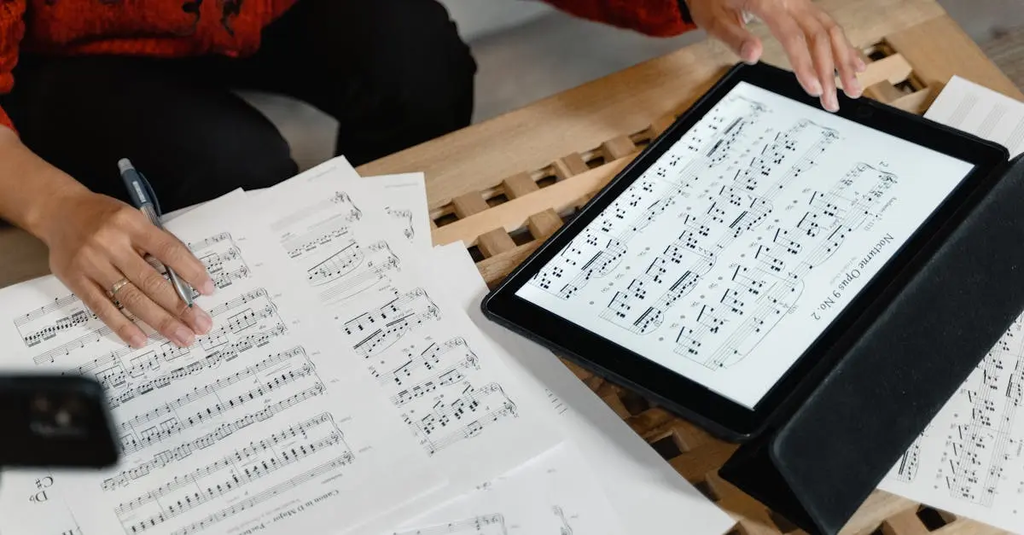
Advanced Orchestration & Timbre in performing arts and music refers to the sophisticated techniques used to arrange and combine various instruments and voices within a composition. It involves a deep understanding of each instrument’s unique sound qualities (timbre) and how they interact. This expertise allows composers and conductors to create rich, dynamic textures, evoke specific emotions, and achieve desired sonic effects, enhancing the overall impact and expressiveness of musical performances.
Advanced Orchestration & Timbre
Advanced Orchestration & Timbre in performing arts and music refers to the sophisticated techniques used to arrange and combine various instruments and voices within a composition. It involves a deep understanding of each instrument’s unique sound qualities (timbre) and how they interact. This expertise allows composers and conductors to create rich, dynamic textures, evoke specific emotions, and achieve desired sonic effects, enhancing the overall impact and expressiveness of musical performances.
💡 Key Takeaways
- Understand how orchestration choices shape timbre, color, and texture in a score.
- Learn techniques for blending and balancing timbres across sections and ensembles.
- Explore dynamic shading, articulation, register changes, and extended techniques to manipulate timbre.
- Apply practical strategies for scoring for different ensembles to achieve intentional sonic contrast.
❓ Frequently Asked Questions
What is timbre and why is it important in orchestration?
Timbre, or the color of a sound, distinguishes instruments and voices. In orchestration, timbre shapes mood, texture, and contrast by selecting instrument combinations and playing techniques.
How do instrumental families contribute to timbre in an orchestration?
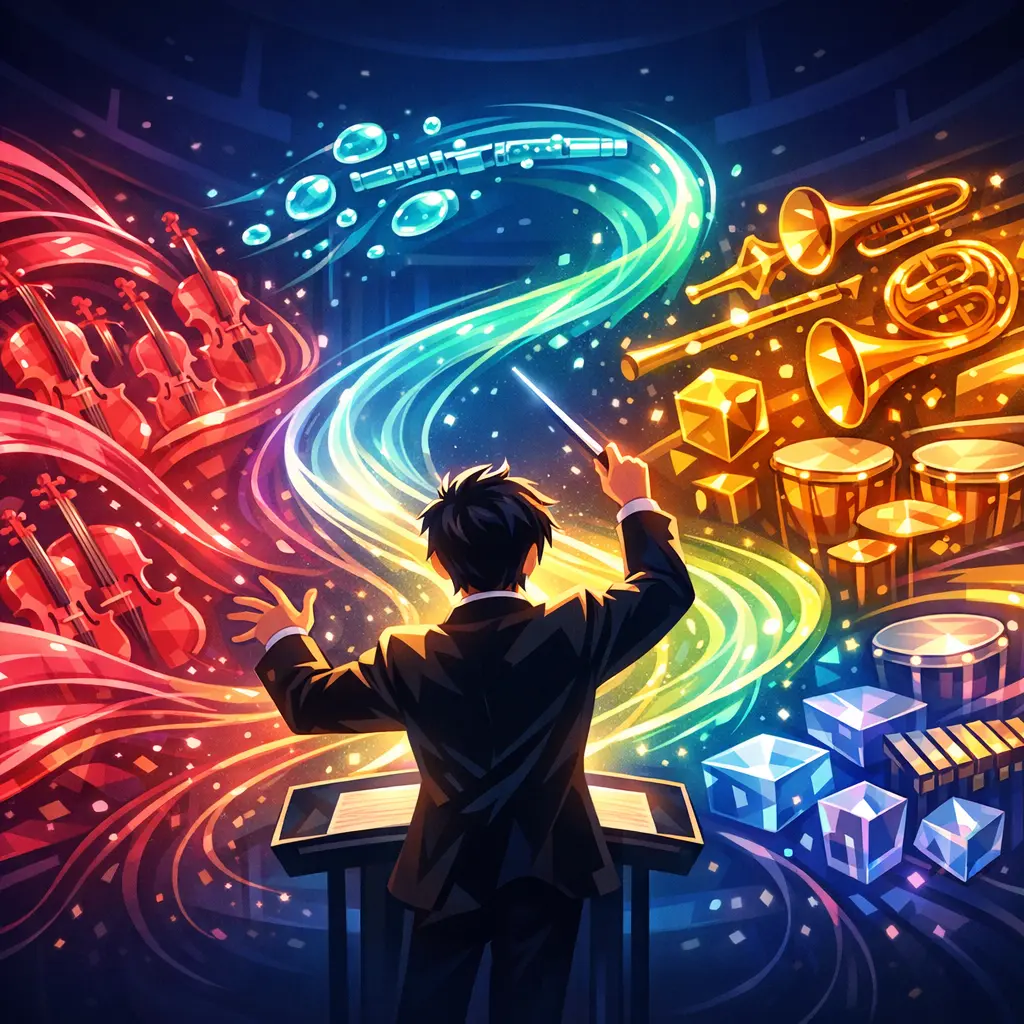
Strings, woodwinds, brass, and percussion each have unique harmonic content and attack/decay profiles. Mixing them creates color contrasts, e.g., warm strings with bright brass.
What does 'color palette' mean in orchestration?
A color palette is the set of timbres and ensemble combinations you use to paint mood, texture, and musical ideas.
How can dynamics and articulation affect timbre?
Dynamics influence perceived brightness and loudness, while articulation (legato, staccato, marcato) changes the sound envelope and harmonic content, shifting timbre.